Wine
“Whether it's Pinot Noir, Chardonnay, or Zinfandel, our real purpose in producing wine is to highlight the unique personality of the vineyard site.”
12 February 2024

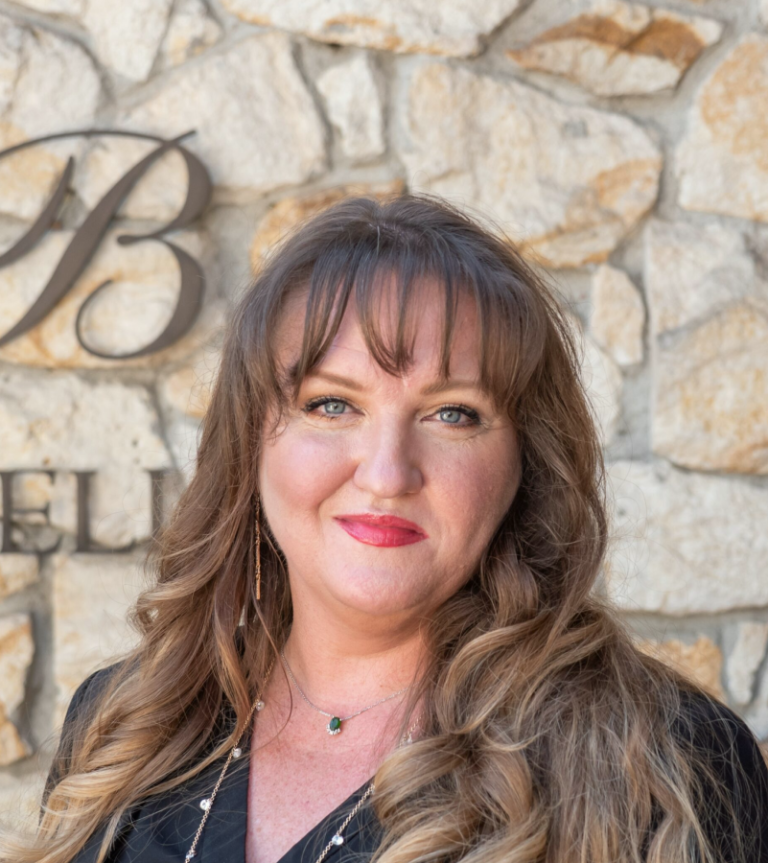


“Whether it's Pinot Noir, Chardonnay, or Zinfandel, our real purpose in producing wine is to highlight the unique personality of the vineyard site.”

“Fior di Sole will continue to produce the best wine possible and bring the best value, quality and cost to the shelf and to the consumer's table.”

“When we think of the success of a brand, we make decisions allowing success to be measured in decades, not in years or even quarters.”

The offer email arrives. The number is fine, maybe slightly less than you hoped, and the recruiter is waiting for an answer. Most people say yes. Knowing how to negotiate salary at this exact point is worth more than at any other moment in the […]

The busiest office workers are interrupted every two minutes during core hours. That figure comes from Microsoft’s own data on how people use its software, and anyone who runs a team will recognise it. Most productivity hacks are written for a calendar you control. The […]

The alarm goes off at six. You hit snooze twice, get up at half past, and spend the first hour of the day feeling like someone else is driving. Most advice on how to become a morning person starts with the alarm: set it earlier […]

A project lands that your team cannot carry. The product launch is in four months, the two engineers you need do not exist on your payroll, and a permanent hire will take most of that time just to find. Staff augmentation is the usual answer: […]

Most people meet Alex Hormozi through a video clip: a muscular man in a T-shirt explaining, with some impatience, why your business is not making money. The books are better than the clips. Alex Hormozi books are short, blunt manuals on three problems every business […]

Most of the decisions that shape a company are made on an ordinary afternoon, between two other meetings, by someone who is slightly tired. Decision making in business mostly happens in small moments: a yes sent from a phone, a hire approved because the role […]

It is a Sunday evening and you are dreading the morning again. Not the workload, which you can handle, but the sameness of it. You have been good at this job for fifteen years and you can picture the next fifteen with no surprises in […]
The email from HR arrives on a Friday afternoon. Your last day is in three weeks, and in the attachment there is a line about what happens to your 401k. Within a day, somebody in your network has suggested an advisor who can “help with […]

The biggest client calls at nine on a Monday to say they are leaving. By ten, two things need to happen. Someone has to work out what the lost revenue does to payroll, which projects pause and who tells the team what. And someone has […]
You open a document to write one paragraph. Four minutes later you are reading an email you did not need to read, with two new tabs open and the paragraph unwritten. If that sounds like most of your working day, you are in good company, […]
The weekly Executive Briefing: insights, books, tools, and media opportunities worth your attention — curated and distilled into 5 minutes.

Welcome to The Executive Insight. Your free AI guide to the best tools is on its way. The first issue arrives soon. Check your promotions tab if it is not in your inbox!
Your request has been successfully submitted. Please wait for a reply from our manager, he will contact you as soon as possible.
Your copy of The Executive Insight Book Challenge List is downloading now. Enjoy the list — and while you're here, take a look at our latest interviews.