
The same work can be received as excellent or inadequate, and which one you get was mostly decided before anyone started doing it.
That is not a figure of speech. It is a long-standing and well-supported finding in customer satisfaction research. In 1980, Richard Oliver set out what became known as expectation disconfirmation: satisfaction is not a judgment about performance, it is a judgment about performance relative to what the customer expected. A result that falls short of the expectation registers as failure even when it is objectively good. Raise the expectation to win the deal and you have quietly raised the bar your delivery has to clear, usually without telling the people who have to clear it.

There is a modern number that points the same way. Gartner surveyed 1,120 people involved in large technology purchases, fielding the work in late 2021, and found that 56% of organizations reported a high degree of regret about their biggest purchase of the previous two years. The detail worth sitting with is where that regret concentrated: it peaked among buyers who had not yet started implementation. My read is that a large share of the disappointment existed before the product had a chance to underdeliver, though the survey doesn’t prove that, and it covers big organizational purchases, a long way from a small business losing a client. Still, it suggests something set during the buying process was already wrong.
That is a different diagnosis from the usual one. When a client leaves, the postmortem normally looks at delivery: the missed deadline, the quality issue, the account manager who moved on. Those are real, but they are the second half of the story. The first half is the sentence someone said in a sales meeting, in good faith, to get the deal over the line. How much churn that explains in your business is something only your own client exit notes can tell you.
Donald Miller’s Building a StoryBrand is a book about marketing messages rather than churn, so this is a transfer rather than a conclusion. But the connection is direct, because the thing Miller is trying to fix is exactly the thing that later becomes an expectation. His framework asks you to name the specific problem your customer has, the specific plan you will follow, and the specific picture of success they can expect. The discipline is specificity, and his argument is commercial rather than moral: vague promises do not persuade anyone.
The useful consequence for this issue is that a specific promise is also a deliverable one. “We will cut your reporting time” is vague enough to mean anything, which means the client will fill it in themselves, usually generously. “You will get your Monday morning back, starting from the second month” is a promise someone can check, which is uncomfortable to say and much easier to keep. The same specificity that makes marketing work is what keeps delivery from inheriting an expectation nobody wrote down.
Two changes follow.
Write down what you promised, in the client’s words, before anyone starts work, so the people who have to clear the bar can see where it is. Not the contract, which describes obligations, but the two or three things the client believes they are buying, phrased the way they would phrase it. Hand that to whoever delivers. Most handovers transfer the scope and lose the promise, which is how a team can complete every item on a project plan and still disappoint someone.
Say the thing you do not do. Every sales conversation has a moment where the easy answer is “yes, we can look at that.” The alternative is one sentence naming a limit: what is not included, how long the first results actually take, which part the client has to do themselves. It costs a small number of deals and it removes most of the gap this issue is about, because the expectation you prevent is the one you never have to manage.
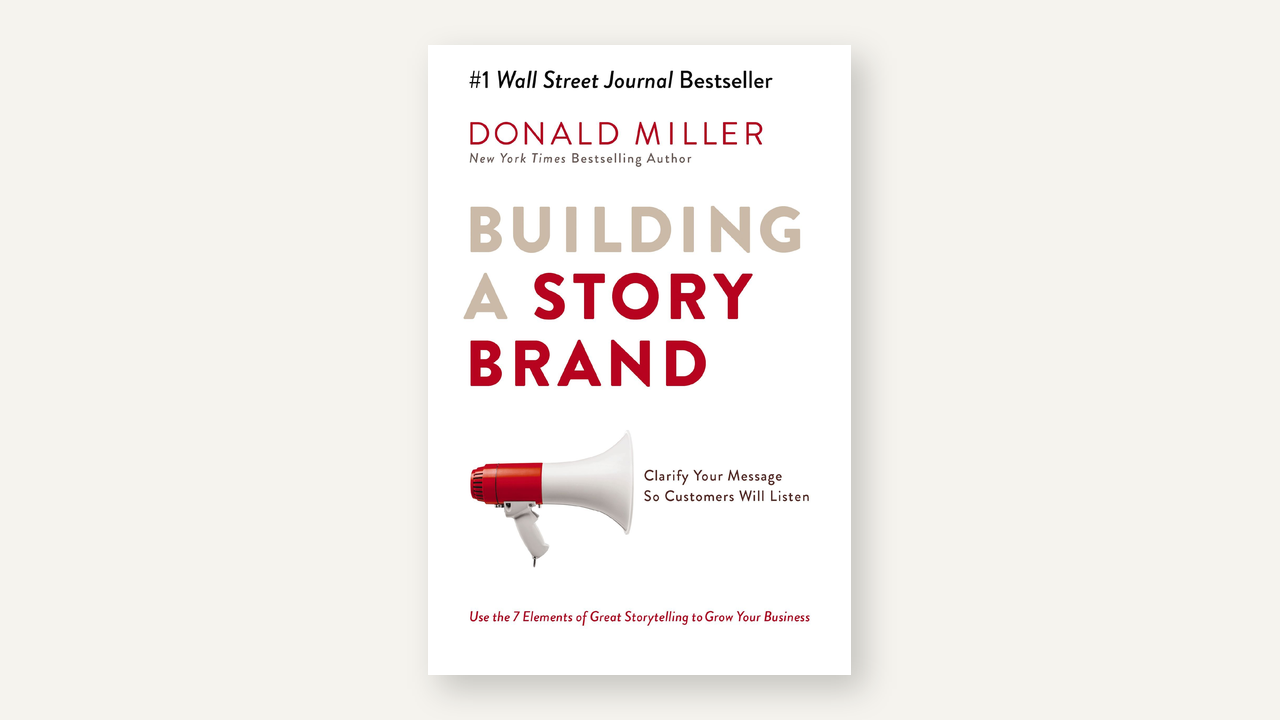
Best for: Owners whose sales promises and delivery plans have never been compared side by side.
Reading commitment: About four hours, built around a single framework you can apply the same week.
The practical problem is that promises are made out loud, in calls nobody records, and the delivery team hears a summary. Conversation tools now keep the actual sentence.
Avoma is one example. It joins sales calls, transcribes them, and produces structured summaries with topics, questions and action items, which can be pushed into a CRM. The relevant use is narrow: the person delivering the work can read what was actually said about timing, outcomes and scope, rather than a paraphrase written by whoever was keenest to close.
Three limits matter. Recording a client call means telling the client and, in many places, getting their consent, and tools in this category have faced privacy lawsuits in the US, so check where your recordings are stored and what is done with them, and ask your own counsel about your obligations. Accuracy drops with accents, background noise and people talking over each other, which is most sales calls. And its pricing and feature tiers are built for teams rather than a solo owner, with the free plan capped at a handful of meetings a month. It preserves the sentence. Deciding whether the sentence was a promise you can keep is still the job.
Take with you: If you asked your last three clients what they expected in the first month, would their answers match what your team planned to deliver?
This month’s media opportunity: through The Executive Insight’s media relationships, we can arrange a feature placement in USA Today, whose general readership suits a story about how a business treats the people who buy from it. If it’s of interest, book a call on our Calendly or reply to this email.
The Executive Insight, 169 Madison Ave STE 11570, New York, NY, 10016