Subscribe to outperform
The weekly Executive Briefing: insights, books, tools, and media opportunities worth your attention — curated and distilled into 5 minutes.


The last call ends at ten, the inbox is cleared by half past eleven, and the alarm is still set for six. If you are wondering how to get more deep sleep on a schedule like that, the answer starts with timing: most deep sleep happens in the first part of the night, so the hours you protect at the start count for more than the hours you add at the end.
Deep sleep is the stage that makes a short night feel survivable. You cannot order more of it directly, but you can stop doing the things that take it away, and you can give your body the conditions it uses to produce it. This piece covers what deep sleep is, how much of it adults get, and the handful of changes that make a difference when your day ends late.
Sleep runs in cycles of roughly ninety minutes. Each cycle moves through lighter stages, into deep sleep, back up, and into REM, the stage most associated with dreaming. Deep sleep is the third stage of non-REM sleep, often called slow-wave sleep or N3, after the slow, high brain waves that show up on a recording.
It is the hardest stage to wake from. The StatPearls review of sleep stages describes it as the stage with the highest arousal threshold, and as the stage when the body repairs and regrows tissues, builds bone and muscle, and strengthens the immune system. Woken from it, people feel groggy for a while, a state called sleep inertia.
The Sleep Foundation puts the share of the night adults spend in deep sleep at 10% to 20%. On seven hours of sleep, that is somewhere between about forty minutes and an hour and a half. It also says you get the most deep sleep during the early part of the night, and that reduced deep sleep is a normal part of ageing, with a gradual decline that levels off in your seventies.
That last point matters for anyone over forty comparing notes with a younger colleague. Getting less deep sleep than you did at thirty is expected. The goal is to protect what your body still produces, not to hit a number you last saw in your twenties.
Because deep sleep is concentrated in the first cycles, the start of the night is where a late schedule does the most damage. Going to bed at a different time every night means the body cannot anticipate sleep, and the first cycles are the ones that suffer.
So the first change is the least exciting one. Pick a bedtime you can hold on most working nights, and a wake time you hold every day, weekends included. The Sleep Foundation lists a consistent bedtime and wake time among its recommendations for deep sleep, alongside a relaxing routine before bed and putting screens away for at least thirty minutes. The CDC recommends seven or more hours a night for adults aged 18 to 60, and makes the same point about devices.
If your evenings run late because of time zones or clients, set the bedtime around the late finish rather than pretending it will not happen. Midnight to seven, held five nights a week, gives the body something to plan around. Eleven one night and two the next does not. Our guide on how to fix your sleep schedule covers how to reset after a week that broke the pattern.
Jeff Bezos is the best known example of someone who built a working day around this. He has said he protects eight hours of sleep and keeps his first meeting at ten, which we looked at in our piece on Jeff Bezos’ morning routine. Most people cannot move their first meeting. They can usually stop the last hour of the day from eating into the first hour of the night.
Temperature is one of the few levers with a direct line to deep sleep. The body’s core temperature starts falling about two hours before you go to sleep and keeps dropping through the night. According to the Sleep Foundation’s guide to sleep temperature, a higher core temperature is linked to a decrease in restorative slow-wave sleep.
Two practical things follow. Keep the bedroom cool: the same guide gives about 65°F as the best room temperature for sleep, with most doctors suggesting a range of roughly 65 to 68°F. And if you can, take a warm bath an hour or two before bed. It sounds backwards, but the warm water brings blood to the skin, and the body sheds heat faster afterwards, which helps the natural drop along.
Hotel rooms are usually set warmer than this. If you travel for work, turning the thermostat down when you arrive, rather than at bedtime, gives the room time to cool.
Two common habits work against deep sleep in ways that are easy to miss, because neither stops you falling asleep.
The first is caffeine. The Sleep Foundation notes that caffeine has a half-life of anywhere between 2 and 12 hours, and that it can reduce the amount of deep, slow-wave sleep you get. A coffee at four in the afternoon can still be working at midnight. If deep sleep is the goal, make the early afternoon your last cup, and treat strong tea and energy drinks the same way.
The second is alcohol. A drink before bed can make you feel as if you are sleeping deeply, and at first you are. The Sleep Foundation’s summary of alcohol and sleep says that with alcohol in your system you are likely to get more deep sleep and less REM than usual at first, but that once the body has metabolised the alcohol, lighter sleep rises and the night fragments, especially in the second half when blood alcohol levels drop. The trade looks good at one in the morning and poor at five.
None of this means never drinking. It means keeping the drinks earlier and fewer on nights when the next day matters, and noticing the pattern rather than blaming the late finish for every bad morning.
Exercise helps, though less dramatically than fitness marketing suggests. A 2015 meta-analysis in the Journal of Behavioral Medicine, The effects of physical activity on sleep, found that a single bout of exercise had small beneficial effects on total sleep time, on how long people took to fall asleep and on slow-wave sleep, and that regular exercise had small benefits for total sleep and moderate benefits for sleep quality.
Small effects add up when they arrive every night. A brisk walk at lunch, or a session before the working day starts, is easier to protect than an evening workout on a day that already ends late. Our piece on Andrew Huberman’s morning routine covers how morning light and movement fit into an office day.
Many people first start asking how to get more deep sleep after a watch or ring tells them they had forty minutes of it. Consumer trackers estimate sleep stages from movement and heart rate, not from brain waves, so treat the nightly figure as a rough guide. The trend over several weeks is more useful than any single night.
Use the tracker to test one change at a time. Move the last coffee earlier for two weeks and see whether the trend moves. Then do the same with alcohol, then with a cooler room. If you change everything at once, you will not know which change helped, and you will not know which one to keep when life gets busy again.
A short night caused by a late finish is a scheduling problem. A short night caused by lying awake replaying the day is a different one, and better sleep habits will only go so far. Our piece on stress tolerance covers how to rebuild capacity after a hard stretch, and recovery, starting with sleep, is one of the four levers it describes.
The same applies to big decisions. If a choice is keeping you awake, writing it down before bed and setting a time to decide can help. Our pieces on Jeff Bezos’ regret minimization framework and on how to sell a small business both deal with decisions people carry for months. And the quieter worries count too. Knowing where you stand, through something like our guide to net worth by age or a clear read of your compensation package, tends to take a recurring three-in-the-morning question off the list.
Sleep also does work you can measure during the day. Memory depends on it, which is one reason our guide on how to remember things quickly treats sleep as part of the method. If you are weighing a commitment that would take your weekends for two years, such as an executive MBA, count the sleep it will cost alongside the fees. And a productivity plan that only works on six hours a night will not survive a real quarter.
If you snore loudly, wake gasping, or feel exhausted after what should be a full night, see a doctor. Those can be signs of a sleep disorder, and no amount of room cooling fixes that.
For anyone whose day regularly ends late, the order of changes that tends to pay off is simple. Fix a bedtime you can hold, and a wake time you hold every day. Make the early afternoon your last caffeine. Keep alcohol earlier and lighter on nights before demanding days. Cool the bedroom to around 65°F and, when you can, take a warm bath an hour or two before bed. Move during the day. Then use a tracker, if you have one, to check the trend rather than the night.
None of this needs a new routine with twelve steps. Our piece on whether 6 hours of sleep is enough sets out what a short night costs by the end of the week, and if you want something to read in the half hour away from screens, Warren Buffett’s list in our guide to Warren Buffett books is a better use of it than email.
Knowing how to get more deep sleep is mostly about guarding the first three hours of the night. Those are the hours a late schedule takes first, and the ones worth defending hardest.

Written by
Editor of The Executive Insight. Writes about leadership, decision-making and the parts of building a business that nobody puts in the plan.

The first week of the holiday goes well. You sleep ten hours a night, read a novel for the first time in a year, and start to feel like yourself. Then, somewhere around the Sunday before you fly home, the dread comes back. Two weeks after your return, it is as if you never left. […]

A sleep schedule rarely breaks all at once. A deadline keeps you up until one, a flight lands late, the weekend runs long, and by Monday your body wants to sleep at 2am and wake at ten while your calendar starts at eight. Here is how to fix sleep schedule drift like that in about […]
Most advice on balance starts with values and ends with a vague promise to spend more time with family. The practical version is smaller and more useful. The time management techniques for work life balance that actually last are the ones that decide where work ends, in advance, so the evening is not left to […]
The board wants an outside view on the transformation programme, and the shortlist has two kinds of names on it: one of the big 4 consulting firms and one of the strategy houses. The big 4 consulting firms are Deloitte, PwC, EY and KPMG, the […]
You send a message to a colleague in Amsterdam at seven in the evening, and the reply arrives at nine the next morning, complete and on time. If you have wondered which countries with best work life balance are getting this right, the most reliable […]
The annual review ends with a line about “development needs”, HR sends a link to an online course library, and nothing much changes. If you are asking what is upskilling, the short answer is this: it means learning new skills that make you better at […]

You opened a Roth IRA in your fifties, you are now 60, and you want to take some of the growth out for a kitchen. The roth ira 5 year rule decides whether that withdrawal is tax free. It is really two separate clocks: one […]

The strategy offsite produced a page of words like “customer-centric” and “operational excellence”, and on Monday nobody knows what to do differently. That gap is the difference between abstract and concrete thinking. Concrete thinking deals with what you can see, touch and check in the […]

It is eleven in the morning, the third coffee is half finished, and the email you have been avoiding suddenly feels like an emergency. The link between caffeine and anxiety is real, and it is easy to miss because caffeine does exactly what you want […]

The business made money this year, the accountant mentions “an S corp election”, and suddenly the structure you set up in an afternoon three years ago is a question again. The llc vs s corp choice is less of a choice than it sounds: an […]
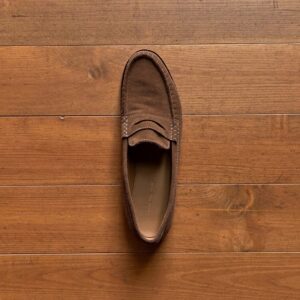
The invitation to the leadership offsite says “smart casual”, and the questions start at once. Jacket or no jacket? Jeans? Trainers? For most companies, the smart casual dress code men are asked to follow comes down to a simple formula: a jacket you could take […]
The appraisal form has a box marked “goals for the next twelve months”, and most people fill it with something that sounds right and means nothing: “grow as a leader”, “take on more responsibility”. Short term career goals are useful only when they are specific […]

The offer from the hospital group is good, the role is bigger, and somewhere in the benefits pack is a line saying the retirement plan is a 403(b) rather than the 401(k) you have had for fifteen years. For most people weighing 403b vs 401k, […]
The weekly Executive Briefing: insights, books, tools, and media opportunities worth your attention — curated and distilled into 5 minutes.

Welcome to The Executive Insight. Your free AI guide to the best tools is on its way. The first issue arrives soon. Check your promotions tab if it is not in your inbox!
Your request has been successfully submitted. Please wait for a reply from our manager, he will contact you as soon as possible.
Your copy of The Executive Insight Book Challenge List is downloading now. Enjoy the list — and while you're here, take a look at our latest interviews.