Subscribe to outperform
The weekly Executive Briefing: insights, books, tools, and media opportunities worth your attention — curated and distilled into 5 minutes.

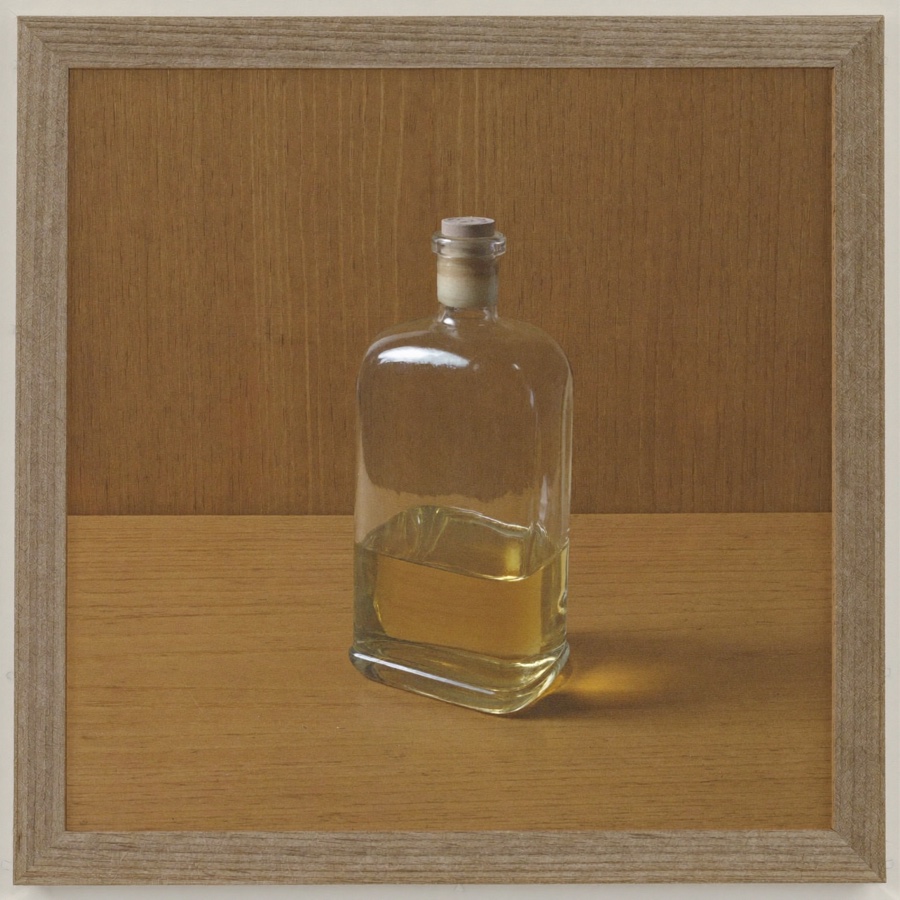

You have heard that George Clooney sold a tequila for a billion dollars. The terms are more useful than the headline. The George Clooney tequila is Casamigos, created in 2013 with Rande Gerber and Mike Meldman and sold to Diageo in 2017 for $700 million up front plus up to $300 million tied to ten years of performance.
Our newsroom read Diageo’s filing on the deal, the founders’ interviews, and the announcements for 11 other deals in which a drinks group bought into a brand with a famous name behind it. Every row in the table links to the page we read.
Of 12 celebrity-backed drinks deals our newsroom checked on 11 November 2026, we found a price published by the buyer in only three, and Casamigos, at up to $1 billion with $300 million tied to performance, was the largest.
The other two were Diageo’s 2020 purchase of Aviation American Gin, at up to $610 million, and Gruppo Campari’s 2007 purchase of 80 percent of Sammy Hagar’s Cabo Wabo for $80 million. A fourth deal, Conor McGregor’s Proper No. Twelve, has a figure of up to $600 million that came from press reports. For the remaining eight we found no price at all.
Both Diageo deals held back a large part of the money. On Casamigos, 30 percent of the maximum price depended on a ten-year earn-out. On Aviation the share was 45 percent. The famous billion was a ceiling, and the cheque at signing was $700 million.
It is Casamigos, a tequila made in Jalisco, Mexico. Diageo’s announcement says it “was created in 2013 by founders Rande Gerber, George Clooney and Mike Meldman.” The name means house of friends. Diageo agreed to buy the brand on 21 June 2017 and completed the purchase on 15 August 2017, so Clooney no longer owns it.
The founders and the year come from the announcement Diageo filed with the SEC. The Jalisco detail comes from a 2016 Entrepreneur profile of Gerber, republished by Fox News.
As with our check of the Tom Brady diet, where 15 of 20 famous rules traced to Brady or his chef, the first job is to find out who said what. Most of the origin story comes from Gerber. In the pages we read, Clooney is on the record about the sale and little else.
The product existed for about two years before anyone tried to sell it. Gerber told The Drinks Business that he and Clooney were “building homes next to one another” in Mexico and wanted a tequila of their own. “Two years and 700 samples later, we finally got the blend perfect.”
They drank it and gave it to friends. Gerber told Entrepreneur they “never wanted to sell the stuff.” The push came from the supplier. In an interview on the K&L Wines spirits blog, Gerber recalls the distillery telling them, “We’ve been through 1,000 bottles a year for the last two years,” and then, “The only way to keep doing this is to start a company.”
Our guide on how to validate a business idea warns that a long validation phase becomes a hiding place. Here the two years went into making the thing and watching 1,000 bottles a year get finished before there was a company.
The three partners also kept control. “It’s our money in the brand, so we can make our own decisions,” Gerber told K&L. On the split of work he said in March 2017, in a profile carried by Yahoo: “We all contribute an equal amount. Even though I run the company, we all play our own role.” Of Meldman he said, “He’s wonderful at marketing, and caters to the high-end market.”
That is one operator, one marketer and one famous face, with a single person in charge. Our guide to the Amazon leadership principles found Jeff Bezos had seven of the 16 on paper in 1997, the year Amazon’s staff reached 614. Deciding early who runs what costs nothing.
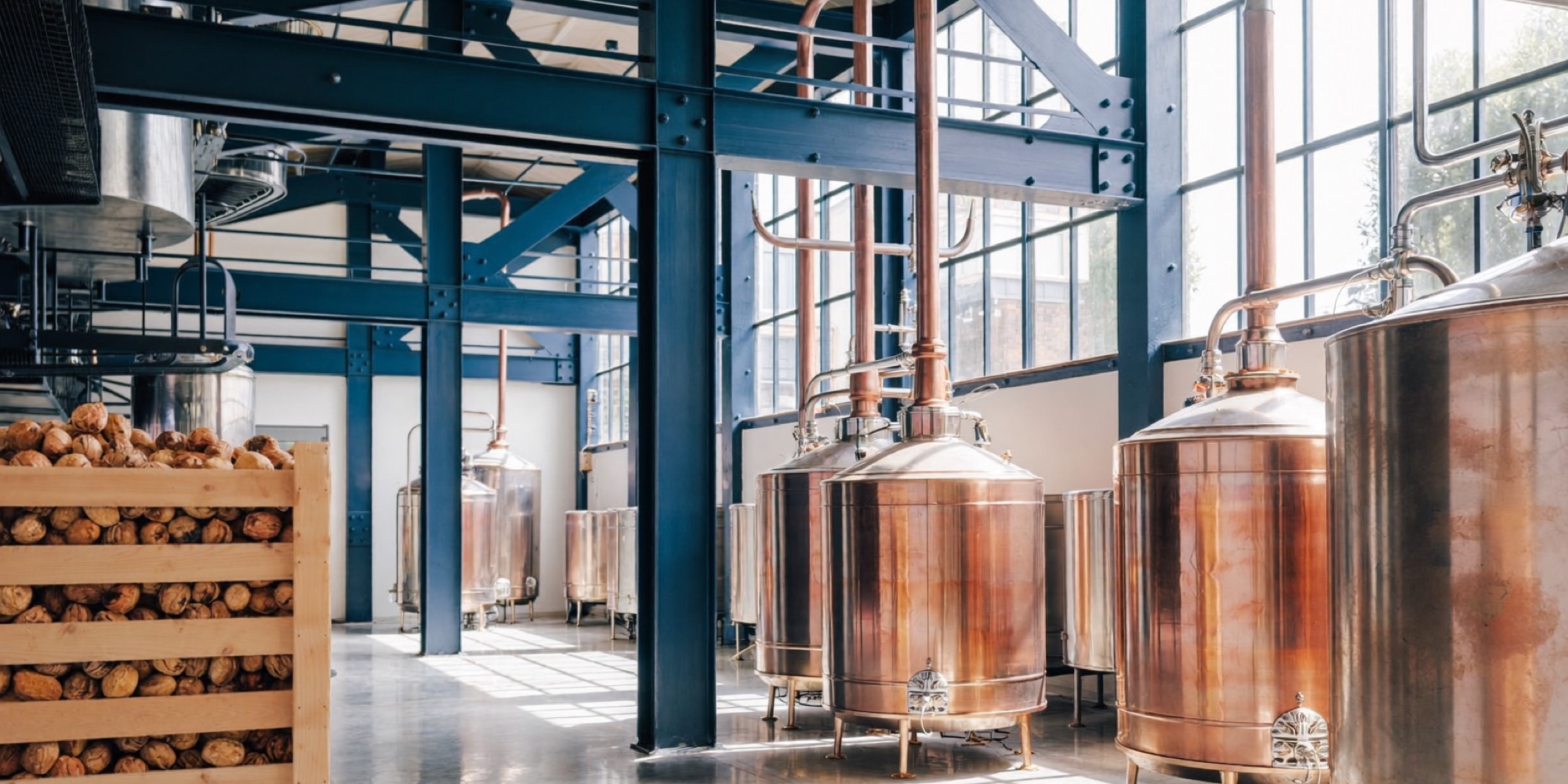
A spirits brand needs a distributor to reach bars and shops. Gerber told K&L how the meeting with Southern Wine & Spirits went. After tasting it, he says, the executives told them: “with or without your names attached to this, we love this tequila and we want to be your distributor.”
We cannot check what was said in that room. The line still holds a test worth borrowing. Ask whether your trade buyer would take the product with the founder’s name removed. If the answer is no, the name is carrying a product that cannot stand alone.
The tagline, Gerber told K&L, was “It’s brought to you by those who drink it.” To The Drinks Business he said, “Consumers are smart and can’t be fooled by fancy bottles and big budget marketing campaigns,” and “When you have a quality product, the best marketing is word of mouth.”
Of the 30 principles in our How to Win Friends and Influence People summary, only four concern making your own case. Casamigos let the people drinking it make the case. Robert Cialdini’s Influence, the one title on all 16 lists in our guide to Charlie Munger books, is the usual starting point on why people buy what someone they like recommends.
The numbers moved fast. Bar & Restaurant reported 38,000 cases sold in 2014. Diageo’s filing says the brand reached 120,000 cases in 2016, “primarily in the US,” and was “on track to reach over 170k cases by the end of 2017.” It gives the growth rate as “a CAGR of 54% in the last two years.”
No filing gives Clooney’s share. Forbes estimated his pretax earnings at $239 million for the year to 1 June 2018, and CNBC’s report on that list says he took home $233 million from the sale. Gerber’s line that the three “all contribute an equal amount” was about work, not ownership, so it does not settle the split. Diageo’s accounts for the year to June 2018 show $706 million paid for the purchase.
The Forbes figure is an estimate, taken from CNBC’s coverage of the 2018 list. It made him the year’s highest-paid actor. Our piece on Michael Jordan’s net worth traced a similar shape through 11 years of Nike filings. In both cases a product line outgrew the career that made the name.
Clooney’s own words on the day are short. “If you asked us four years ago if we had a billion dollar company, I don’t think we would have said yes,” he said in a statement quoted by CNBC. “But we’re not going anywhere. We’ll still be very much a part of Casamigos. Starting with a shot tonight. Maybe two.”
The price of the George Clooney tequila brand is set out in Diageo’s announcement of 21 June 2017. “The transaction values Casamigos at up to $1 billion, with initial consideration set at $700 million” and “a further potential $300 million based on a performance linked earn-out over 10 years.” It was to be “funded through existing cash resources and debt.”
The buyer told its shareholders how long the price would take to pay back. “Diageo expects the transaction will be EPS neutral for the first three years and accretive thereafter.” Diageo expected no lift to earnings per share until the fourth year. The founders were tied in, with “continued involvement and active participation in the future success of Casamigos.”
The follow-up is in Diageo’s results for the year to 30 June 2018. The purchase “was completed on 15 August 2017.” Cash paid was “$706 million (£549 million).” And “the group is expected to pay contingent consideration of $300 million (£233 million) in tranches over the next ten years,” which the filing makes “subject to Casamigos achieving certain performance targets.”
Set against volume, the price is steep. Dividing $700 million by the 120,000 cases sold in 2016 gives about $5,800 a case. Campari’s price for Cabo Wabo implied $100 million for the whole brand on roughly 70,000 cases, or about $1,400 a case. Both figures are our division, and the deals sit a decade apart.
The table lists each deal with the famous name as the source page gives it, what was bought, and whether the buyer put a number on it. “None found” means no price in the pages we read.
| Brand | Famous name | Buyer, year | What was bought | Price published by the buyer | Tied to performance | Source |
|---|---|---|---|---|---|---|
| Casamigos | George Clooney, co-founder | Diageo, 2017 | The brand | Up to $1 billion, $700 million initial | $300 million over 10 years | Diageo filing, SEC |
| Aviation American Gin | Ryan Reynolds, co-owner | Diageo, 2020 | Aviation Gin and Davos Brands | Up to $610 million, $335 million initial | Up to $275 million over ten years | Diageo filing, SEC |
| Cabo Wabo | Sammy Hagar, seller | Gruppo Campari, 2007 | 80 percent | US$80 million, 11.8 times expected 2007 EBITDA | None stated; options on the other 20 percent | Campari release |
| Proper No. Twelve | Conor McGregor, co-owner | Proximo Spirits, 2021 | The majority stake Proximo did not hold | None found; press reported up to $600 million | Not stated | CBS Sports, Bloody Elbow |
| D’Ussé cognac | Jay-Z, co-owner | Bacardi, 2023 | A majority of his 50 percent stake | None: “No price disclosed” | Not stated | Bloomberg Law |
| Armand de Brignac champagne | Jay-Z, owner | Moët Hennessy, 2021 | 50 percent | None: “an undisclosed sum” | Not stated | Decanter |
| Dos Hombres mezcal | Bryan Cranston and Aaron Paul, founders | Constellation Brands, 2021 | A minority stake | None: “Financial terms of the deal were not disclosed” | Not stated | CNBC |
| Teremana tequila | Dwayne Johnson, co-founder | Mast-Jägermeister, 2022 | A stake, size not given | None: terms “have not been disclosed” | Not stated | The Spirits Business |
| Skinnygirl cocktails | Bethenny Frankel, founder | Beam Global, 2011 | The brand | None: “financial terms of the transaction were not disclosed” | Not stated | Food Ingredients First |
| DeLeón tequila | Sean Combs, joint venture partner | Diageo, 2024 | Sole ownership, by legal settlement | None: “No further details of the settlement were released” | Not stated | Claims Journal, Beverage Daily |
| Código 1530 tequila | George Strait, co-founder | Pernod Ricard, 2022 | A majority stake | None: no price in the buyer’s release | Not stated | Pernod Ricard, The Daily Upside |
| Casa Noble tequila | Carlos Santana, named supporter | Constellation Brands, 2014 | Trademark and inventories | None: “Terms of the purchase were not disclosed” | Not stated | Constellation Brands |
Two rows need a caveat. DeLeón changed hands through a settlement of lawsuits, so it is a transfer of ownership more than a sale. On Casa Noble, the buyer’s release names Carlos Santana as a supporter of the brand, not as an owner.
Eight of the 12 deals have no price we could find, which matters before you quote one as a benchmark. Bloomberg Law wrote that statements around the D’Ussé settlement suggested a value in the $750 million range, and also wrote “No price disclosed.” Our summary of The Alchemist found 11 pages that could not agree on the book’s sales figure. Celebrity deal prices travel the same way, repeated more often than they are sourced.
An earn-out is a part of the sale price that the buyer pays later, and only if the business hits agreed targets after the sale. In the Casamigos deal it was up to $300 million of a possible $1 billion, payable in tranches over ten years and “subject to Casamigos achieving certain performance targets,” in Diageo’s words.
For the seller it means part of the price rides on a company someone else now runs. Diageo did not publish the targets, and we could not find a statement of how much of the $300 million has been paid.
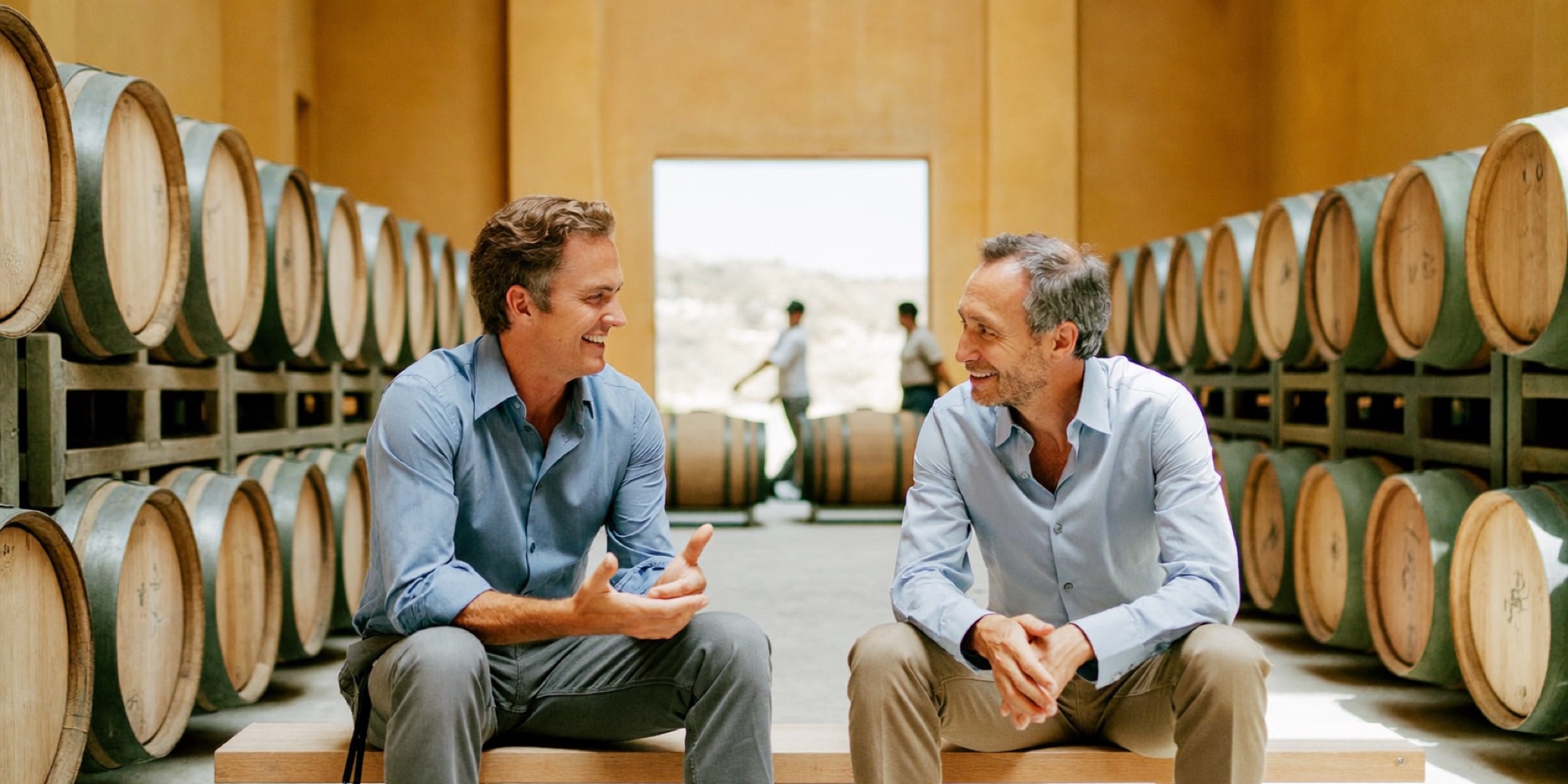
Under Diageo the brand grew far beyond the 2017 forecast. The Drinks Business reported in August 2023 that Casamigos passed a million cases in 2020 and that 2022 case sales rose 95.6 percent to 2.2 million, with organic net sales 16 percent ahead in Diageo’s 2023 fiscal year.
Then it turned. Just Drinks reported on 30 July 2024 that Casamigos net sales in the US “dropped 22% on the year prior.” The Spirits Business, wrote in a later piece that Casamigos “saw its sales tumble by 21%”, without stating the period, and put the brand’s 2023 volume at 3 million cases, the world’s fourth biggest-selling tequila.
Most readers of a George Clooney tequila story will never sell to Diageo. Four parts of it still scale down.
First, prove use before you build the company. A thousand bottles a year went out before there was anything to sell. Then test it without your name on it, as the distributor’s line suggests.
Second, put one person in charge and write down the roles. Gerber ran the company. Our reading of John Wooden’s Pyramid of Success found that nine of its 15 blocks are actions you can take this week, and the other six are results. A billion-dollar exit is a result. Who runs the company is a choice you can make on Monday.
Third, sell growth with proof. Diageo’s filing quotes a 54 percent growth rate and a case forecast, and the buyer accepted a deal it expected to add nothing to earnings per share for three years. Our guide on how to sell a small business says a buyer pays for future earnings it can believe in. The guide on how to buy a small business covers the same negotiation from the other chair.
Fourth, value the upfront cheque and treat the rest as a bonus. In the two deals where Diageo published terms, 30 and 45 percent of the maximum was contingent. If a buyer offers you a number with an earn-out inside it, weigh the cash at closing. Ask which targets apply, who controls the spending that drives them, and what happens if the buyer changes the plan.
Twelve of the 17 summaries in our guide to The Almanack of Naval Ravikant cover his idea of judgment, and the hardest call here was when to sell. The founders sold at 120,000 cases a year. By 2023 the brand was reported at 3 million, 25 times that, and then the reported sales fell.
They took $700 million before sales cooled. Fifteen of the 18 lists in our ranking of stoicism books include Meditations, and the Stoic test of what is in your control applies. Once the keys change hands, an earn-out depends mostly on someone else’s decisions.
The 700 samples were two years of attention to one product, the kind of work our Deep Work summary covers. Our piece on what a business model is found that in four of 12 household-name companies a minor revenue line produced most of the profit. For these founders the profit sat in the equity.
On 11 November 2026 our newsroom listed deals from 2007 to 2024 in which a drinks group bought all or part of a brand that the source page ties to a named celebrity as founder, co-owner, partner or supporter. We kept the 12 for which a filing, a company release or a news report would load. For each we recorded the buyer, the year, what was bought, any price, and any part tied to performance.
A price counted as published by the buyer only when it appears in the buyer’s own filing or release. Press figures are marked as such. The list is a sample and leaves out endorsement contracts and distribution agreements. Per-case prices and earn-out percentages are our arithmetic. The full dataset, with a supporting quote for every row, is available on request.
No. Diageo agreed to buy the brand in June 2017 and completed the purchase on 15 August 2017. Clooney said at the time, “we’re not going anywhere,” and Diageo’s filing says the founders would have “continued involvement and active participation.”
House of friends. The Drinks Business says the name came from the neighbouring homes Gerber and Clooney built in Mexico, “which were named Casamigos (meaning ‘house of friends’).”
It grew from 120,000 cases in 2016 to a reported 3 million in 2023. Since then the trade press has reported falls, including a 22 percent drop in US net sales in Diageo’s 2024 fiscal year.
In the filings and interviews, the George Clooney tequila deal comes down to a product that was used before it was sold, a distributor who said it wanted the tequila on its merits, and a price with 30 percent held back for ten years. The first two are open to any founder.

Written by
Editor of The Executive Insight. Writes about leadership, decision-making and the parts of building a business that nobody puts in the plan.
You have the name, the address and one chance with someone who does not know you. The tim ferriss cold email template is a four-part note. It tells the reader the email takes sixty seconds, says who you are in two lines, asks one specific question, and gives them permission to ignore you. We measured […]

The Hormozi value equation says the value a buyer sees equals the dream outcome multiplied by how likely they believe they are to get it, divided by the time it takes multiplied by the effort and sacrifice it demands. Raise the top of the fraction, shrink the bottom, and you can charge more. That is […]

You run a company of 40 people, and someone has just sent you the Amazon leadership principles as the model for your culture. There are 16. Seven were already in Jeff Bezos’s 1997 shareholder letter, from the year Amazon’s staff grew to 614. Those are the ones built for your size, and four of them […]

It is Sunday night and you are dreading a job you were proud to win three years ago. The Steve Jobs Stanford speech speaks to that feeling. Delivered on 12 June 2005, it is three short stories, about connecting the dots, love and loss, and […]

Search for the figure and you get five different ones. Kevin Hart net worth estimates on the 21 pages our newsroom read on 11 November 2026 run from $200 million to $450 million. We could find no Forbes or Bloomberg net worth figure for him, […]

You want one line for the slide, the team message or the wall above your desk, and the search hands you hundreds, almost none with a date. We checked the most repeated Kobe Bryant quotes against the record. Fewer than half trace to a book, […]
Search for the Arnold Schwarzenegger workout routine and you are handed a six-day, twice-a-day program to copy. He says his prime years sometimes meant five hours a day with weights. Now 79, he says he rides a bike, lifts lighter weights for about 45 minutes, […]
You have been told The Alchemist will change how you think about work, and you have ten minutes. The alchemist summary is short. A shepherd named Santiago dreams of treasure at the Egyptian pyramids, crosses from Spain to North Africa, works about a year for […]
You have a one-to-one at ten with someone whose project slipped, and your first sentence is loaded. Here is the how to win friends and influence people summary: Dale Carnegie’s 1936 book sets out 30 principles in four parts, and most of them tell you […]

You hear the number and assume basketball paid for it. Forbes estimated Michael Jordan net worth at $4.7 billion on 11 November 2026, against a career NBA salary it puts at $90 million. The rest came mainly from royalties on Nike’s Jordan Brand and from […]

Somebody on your leadership team has pinned the John Wooden Pyramid of Success above the coffee machine, and now you have to decide whether it means anything. It is 15 qualities stacked in five tiers, Industriousness and Enthusiasm at the corners of the base, Competitive […]
You have read that Tom Brady never eats tomatoes, never drinks coffee and goes to bed at 8:30. Some of that came from Brady, some from his chef, and some from people repeating other people. The Tom Brady diet, in their own words, is mostly […]
You run a company of 40 people, and someone has just sent you the Amazon leadership principles as the model for your culture. There are 16. Seven were already in Jeff Bezos’s 1997 shareholder letter, from the year Amazon’s staff grew to 614. Those are […]
The weekly Executive Briefing: insights, books, tools, and media opportunities worth your attention — curated and distilled into 5 minutes.

Welcome to The Executive Insight. Your free AI guide to the best tools is on its way. The first issue arrives soon. Check your promotions tab if it is not in your inbox!
Your request has been successfully submitted. Please wait for a reply from our manager, he will contact you as soon as possible.
Your copy of The Executive Insight Book Challenge List is downloading now. Enjoy the list — and while you're here, take a look at our latest interviews.