Subscribe to outperform
The weekly Executive Briefing: insights, books, tools, and media opportunities worth your attention — curated and distilled into 5 minutes.



For years, companies have invested in workplace wellness programs, offering gym reimbursements, meditation apps, and even occasional healthy snack perks. However, despite these efforts, a critical piece has often remained missing: a direct, measurable impact on employee well-being and performance.
“At Garten, we don’t believe in well-being for the sake of optics. We believe in outcomes,” says Gary Batara, Vice President of Marketing at Garten.
By combining premium, organic, and non-GMO food solutions with analytics through its proprietary Analytics Dashboard, Garten aims to change how companies approach employee well-being, productivity, and sustainability. The result? An approach that goes beyond traditional perks, focusing on workplace nutrition and employee well-being.
“Among the biggest mistakes companies can make with wellness programs is treating them as a feel-good initiative instead of a business strategy,” says Batara. “We’re trying to change that by giving organizations the tools to see, measure, and improve employee well-being in real-time. Our Analytics Dashboard doesn’t just track what people eat—it measures how well their diet aligns with the Healthy Eating Index (HEI). It is designed to provide insights into overall HEI score improvements and detailed breakdowns across the 13 dietary components, helping organizations understand how better nutrition is the foundation of a thriving workforce and company culture.”

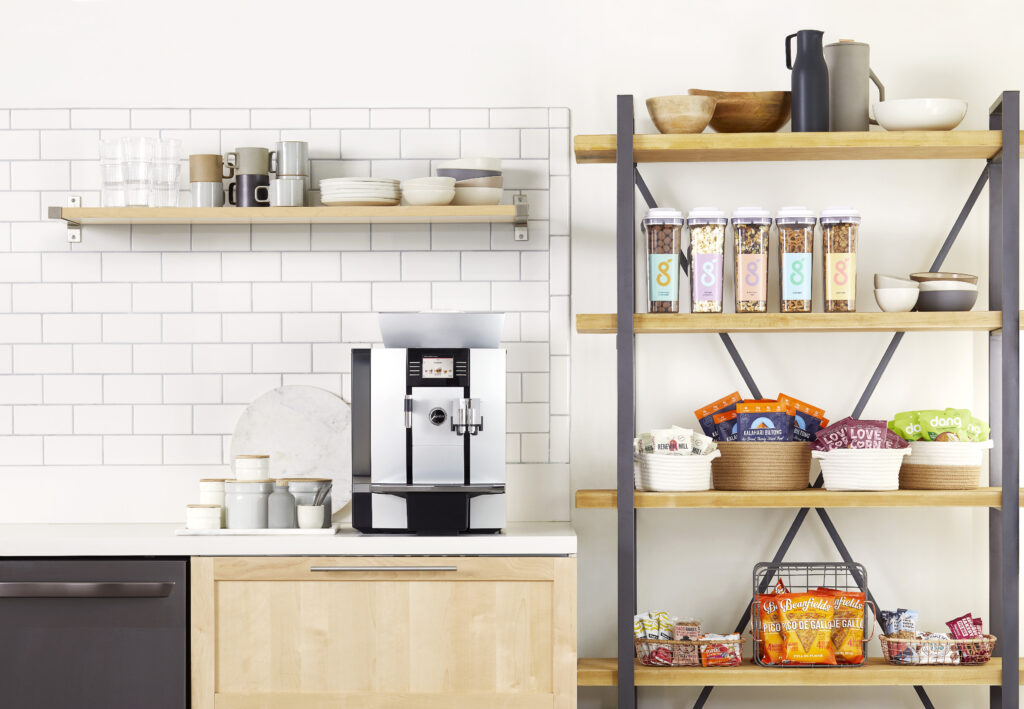
Today’s workforce is highly informed and expects more from workplace wellness. According to Batara, employees aren’t just looking for a stocked breakroom—they expect high-quality, functional nutrition that aligns with their values.
This is why Garten is offering to change corporate food programs to prioritize the following:
Traditional one-size-fits-all snack programs are becoming outdated as companies seek smarter solutions that align with employee expectations, ESG goals, and measurable workplace performance. Garten is committed to satisfying this need through several strategies.
The first is by emphasizing a data-driven, measurable approach. Its proprietary Analytics Dashboard is designed to give HR teams and executives a direct line of sight into employee nutrition trends and workplace wellness metrics.
“Executives seek measurable outcomes, not vague promises. Garten is dedicated to providing data-driven insights into workplace nutrition trends, employee engagement with healthy options, and breakroom management—including budget health, order tracking, and real-time snack ratings,” Batara explains.
By tracking HEI scores and analyzing real-time consumption trends, Garten hopes companies can continuously optimize their food programs.
Another factor that makes Garten different is its elevated, premium brand experience. According to Batara, Garten isn’t a vending machine solution—it’s a premium, curated experience.
“The perception of well-being has shifted. Employees want organic, non-GMO, sustainable foods that don’t just fuel them but align with their lifestyle choices. We’ve built Garten and are committed to meeting that demand on a corporate scale,” Batara emphasizes.
Lastly, Garten strives to structure its approach in strategic alignment with company values. According to Batara, wellness initiatives are likely to work best when they resonate with employees, which is why Garten helps organizations design food programs that integrate into their culture.
“A breakroom stocked with premium, nourishing snacks isn’t just about food—it’s a signal to employees that their health is a priority. That message builds engagement, loyalty, and performance,” Batara says.
While Garten’s wellness model defines its approach, its market positioning and branding strategy have also played a key role in its growth.
“We believe organizations don’t just want a vendor—they want a partner whose ethos aligns with theirs,” Batara explains. “We don’t just offer premium food solutions; we’re committed to helping businesses reinforce their values by prioritizing well-being, sustainability, and employee engagement. That level of alignment isn’t something that is easy to replicate.”
Instead of treating food programs as a transactional service, Garten is dedicated to embedding itself into the fabric of a company’s values through key elements:
“We’re dedicated to helping organizations make a statement—not just with what they provide, but with what they stand for,” Batara says. “That’s why companies choose Garten: because we’re committed to making their values tangible.”
Garten’s data-backed approach with its proprietary Analytics Dashboard is structured to enhance workplace well-being for leading companies. Across multiple Fortune 1000 organizations, Batara says companies using Garten’s solutions have reported positive trends in the Healthy Eating Index (HEI) and shifts in dietary habits, including increased consumption of fruits, vegetables, protein-rich foods, dairy, and whole grains.
For more details on these insights, visit the Garten case study here.
“We believe well-being isn’t just about offering better food—it’s about creating real, measurable change,” Batara explains. “With our Analytics Dashboard, companies can see exactly how improved nutrition correlates to higher energy, better engagement, and long-term business success.”
Looking ahead, Garten is dedicated to setting a new standard for corporate well-being, blending premium food solutions with real-time analytics to create a smarter, healthier, and more sustainable workplace experience.
“Companies that lead in well-being will lead in performance,” Batara asserts. “At Garten, we’re not just offering better food—we’re committed to shaping the future of how businesses care for their people.”
With a relentless focus on premium quality, sustainability, and measurable impact, Garten is dedicated to proving that workplace well-being isn’t just a trend—it’s the future of work itself.
Learn more about Garten at garten.co.
Seva Foundation blends compassion and science to deliver transformative eye care, reshape economies and restore dignity across low-income communities worldwide.
Equipo Health’s AI-powered platform is designed to help healthcare providers reduce administrative tasks, allowing them to focus more on patient care.

LaserAway is a leading provider of medical aesthetics, emphasizing accessibility, convenience, technology, and customer satisfaction.

A former nurse manager applies for an operations role. Her résumé says “excellent communication skills” and “strong leadership”. So do most of the other applications on the recruiter’s screen. The skills are real, and as written they are invisible. Good transferable skills examples always come […]

The spreadsheet says 52 is possible. You have run it three times, changed the return assumption twice, and it still works. Then come the questions the spreadsheet cannot answer: how to get money out of a 401k seven years early, who pays for health insurance […]

Forty minutes into the meeting, the team is still arguing about which of two suppliers to choose. Both options have been costed twice. Every new argument digs further into the same two answers. Lateral thinking is the habit of stopping at that moment and asking […]

Thursday, 3 p.m. You read the same email for the third time and still could not say what it asks for. You slept six hours last night, and the night before, and you feel fine, mostly. So is 6 hours of sleep enough? For most […]

The Monday meeting goes quiet when one person speaks, and everyone else looks at the table. Nothing in the comment is quite bad enough to discipline. It is the fourth one this month, and the team is waiting to see whether you noticed. Knowing how […]

You land at 7 a.m., the meeting is at 9, and the shirt you packed comes out of the case with a crease across the chest that no amount of smoothing will remove. Learning how to fold a business shirt for travel takes ten minutes […]

It is late, the house is quiet, and three tabs are open. One is a $49-a-month certificate from a company everyone has heard of. One is a bootcamp that promises a new job in sixteen weeks. One is a university program whose price makes you […]

The offer email arrives. The number is fine, maybe slightly less than you hoped, and the recruiter is waiting for an answer. Most people say yes. Knowing how to negotiate salary at this exact point is worth more than at any other moment in the […]

The busiest office workers are interrupted every two minutes during core hours. That figure comes from Microsoft’s own data on how people use its software, and anyone who runs a team will recognise it. Most productivity hacks are written for a calendar you control. The […]

The alarm goes off at six. You hit snooze twice, get up at half past, and spend the first hour of the day feeling like someone else is driving. Most advice on how to become a morning person starts with the alarm: set it earlier […]
The weekly Executive Briefing: insights, books, tools, and media opportunities worth your attention — curated and distilled into 5 minutes.

Welcome to The Executive Insight. Your free AI guide to the best tools is on its way. The first issue arrives soon. Check your promotions tab if it is not in your inbox!
Your request has been successfully submitted. Please wait for a reply from our manager, he will contact you as soon as possible.
Your copy of The Executive Insight Book Challenge List is downloading now. Enjoy the list — and while you're here, take a look at our latest interviews.