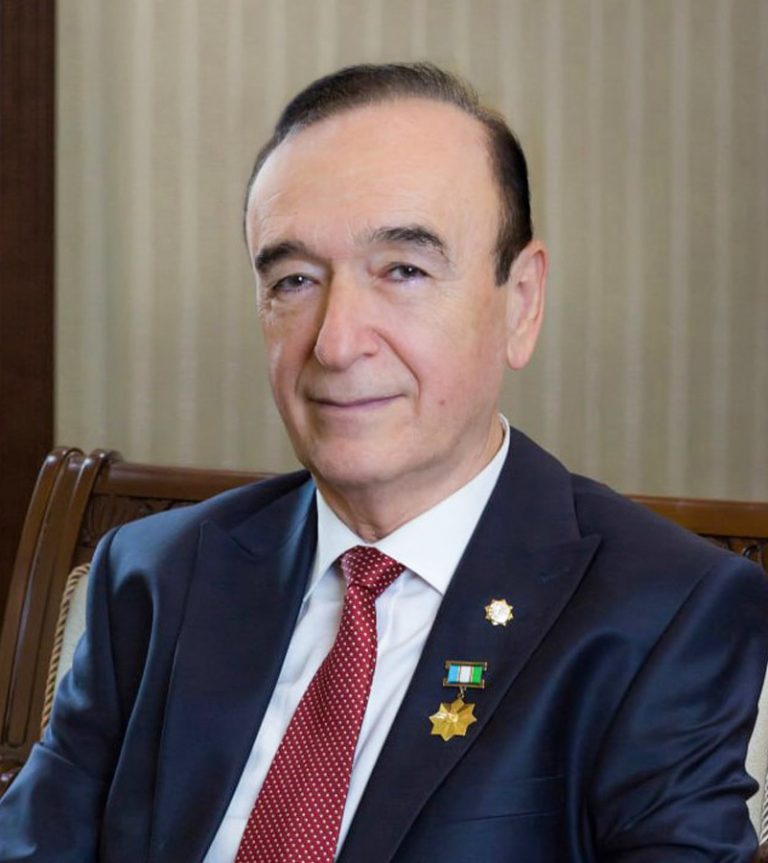
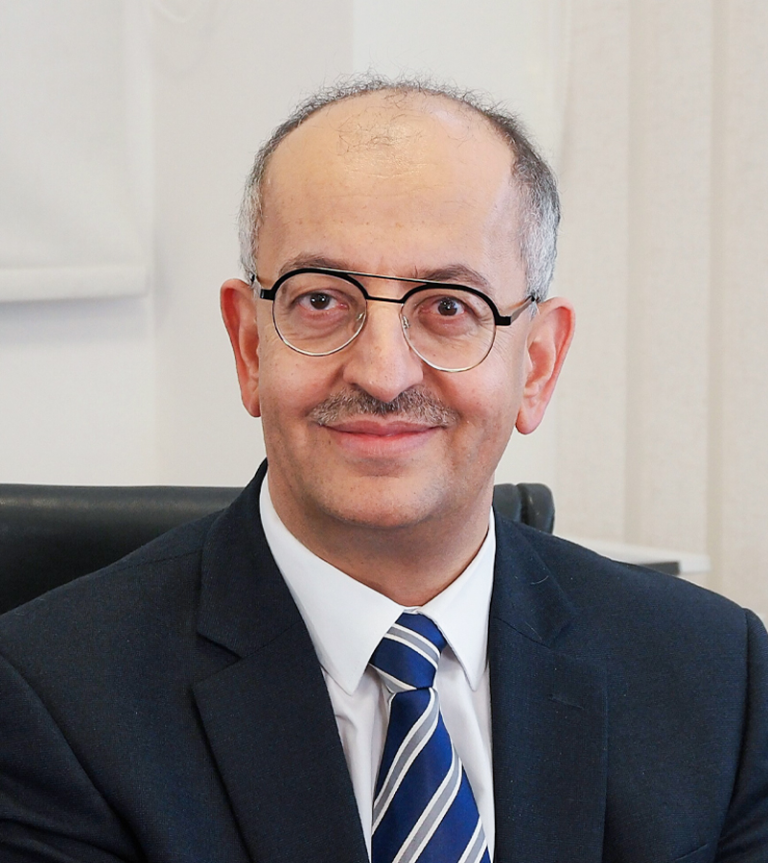
"We call ourselves a school of cultural encounter, aiming to integrate the German way of thinking with the Argentine capacity for flexibility, resilience and creativity."

What do you see as the key factors behind Goethe-Schule’s long-standing success in education?

I think what we offer is very unique in the educational market because our school and staff are bicultural. We have around 15 German teachers with German qualifications and mindsets sent by the German state. They are working alongside an important group of Argentinian teachers with their own cultural backgrounds. This gives us a tremendous opportunity to bring these two cultures together and educate our students in a bicultural atmosphere.

We call ourselves a school of cultural encounter, aiming to integrate the German way of thinking—academic perspectives and global problem-solving approaches—with the Argentine capacity for flexibility, resilience and creativity. This combination develops essential skills in our students within a trilingual environment: German, Spanish and English. It’s very challenging for both the school and the students. Goethe-Schule has over 127 years of history in Argentina, so we know how to do this well. We excel in preparing students for the challenges of the 21st-century world.

Can you tell us about your core activities and the main services currently offered by Goethe-Schule?

We aim to truly bring together these two cultures, which is easier said than done. What we offer is high-quality education aligned with the expectations of the German Gymnasium, the highest level of secondary education in Germany. We are the only school in Argentina that provides a double degree: the Argentinian local one and the German international version. Our students graduate with credentials comparable to those of students from German secondary schools in cities like Frankfurt, Berlin, or Munich. This is quite impressive, especially given our local context. To achieve this, we carefully design a curriculum—what we call the Goethe curriculum—that merges both the German and Argentinian programs without losing any essential components.

We support our students academically and also emotionally and mentally, knowing the challenges they face. We want them to grow in virtues, understand themselves, thrive in a diverse community and be able to choose their life paths with more doors open by the time they graduate.

How would you describe the current landscape of cultural and language education in Argentina, and what makes Goethe-Schule stand out in this space?

There are several bilingual schools in Argentina, especially in Buenos Aires, that offer quality education in Spanish and English. We offer that, plus a double degree and German language instruction. German is a complex language, and our students begin learning it fully immersed in kindergarten with German and Argentinian teachers of high proficiency. In primary school, they learn to read and write in both Spanish and German, and later they begin English. The way they acquire English after learning German is incredible. By the time they graduate, their English level rivals that of students in any bilingual school in Argentina.

What also sets us apart is that about one-third of our staff comes directly from Germany. We also have teachers from Spain and even Denmark, making our teaching body highly diverse. This diversity impacts the school experience deeply. Our governance structure is also bicultural, with each school level led by at least one German staff member. These perspectives merge in discussions that tackle global educational challenges in unique ways not often found in other Argentinian schools.

We aim to offer a truly valuable education that prepares students for a globalized world by combining German and Argentinian cultures to foster critical thinking and global citizenship. It’s incredibly rewarding to see alumni succeed internationally, consistently affirming that the skills and tools they gained at Goethe-Schule have empowered them to thrive anywhere in the world.

What is the scope of Goethe-Schule’s market and audience development, both locally and across Latin America?

We serve many Argentinian families, including those with German roots who want to preserve and develop their heritage. But we also welcome many families with no German background who see the value in our educational approach. Our school appeals to diplomats, executives and businesspeople who move frequently and need a consistent, high-quality education for their children.

We’re part of a global network of over 150 German schools abroad, so families who start with us in Buenos Aires can continue their children’s education in other countries seamlessly. We’ve welcomed families relocating from Peru and Paraguay, and we share information within our Latin American network to ensure smooth transitions. This makes our school an excellent choice for internationally mobile families.

What strategies does Goethe-Schule use to attract students and engage families, partners and the wider community?

We’ve realized that we offer a very unique and valuable educational service, and now we are actively working to let people outside the German community know about it. While the German aspect remains at the heart of our school, we understand that our approach can be attractive to a much wider audience. Our message is that while our program is demanding, it is achievable—and extremely rewarding.

We also emphasize our strong offerings in arts and sports, which are deeply integrated into our academic goals. In German education, music, art and physical activity are considered essential for academic success. This holistic development is at the core of what we do: we want students to thrive intellectually, physically, artistically and morally. I joined Goethe-Schule two and a half years ago, and every day I see how powerful our model is. We are working hard to make sure more families in Argentina and Latin America know what we have to offer: a truly comprehensive, high-quality and human-centered education.

What is the main message you would like to share with the community and our readers about Goethe-Schule? What do you want them to take away from this conversation?

German culture is so rich and powerful, especially when you consider its historical role in scientific discovery and innovation. At Goethe-Schule, we have the opportunity to share that culture while combining it with the Argentinian spirit. We don’t aim to change either culture but to create a synergy between them. That’s powerful. Our bicultural atmosphere, trilingual education and double degree offering make a big difference. We are very open and believe that diversity is essential for developing critical skills. We’re ready to welcome all families who share our values. Working at Goethe-Schule is deeply motivating—seeing teachers dedicated to students’ academic and personal growth while witnessing how students develop their virtues and character. That’s the essence of Goethe-Schule and our mission.

Latest From The Executive Insight

  • Education

    A former nurse manager applies for an operations role. Her résumé says “excellent communication skills” and “strong leadership”. So do most of the other applications on the recruiter’s screen. The skills are real, and as written they are invisible. Good transferable skills examples always come […]

    9 min read
  • Wealth

    The spreadsheet says 52 is possible. You have run it three times, changed the return assumption twice, and it still works. Then come the questions the spreadsheet cannot answer: how to get money out of a 401k seven years early, who pays for health insurance […]

    8 min read
  • Mindset

    Forty minutes into the meeting, the team is still arguing about which of two suppliers to choose. Both options have been costed twice. Every new argument digs further into the same two answers. Lateral thinking is the habit of stopping at that moment and asking […]

    9 min read
  • Wellness

    Thursday, 3 p.m. You read the same email for the third time and still could not say what it asks for. You slept six hours last night, and the night before, and you feel fine, mostly. So is 6 hours of sleep enough? For most […]

    9 min read
  • Business

    The Monday meeting goes quiet when one person speaks, and everyone else looks at the table. Nothing in the comment is quite bad enough to discipline. It is the fourth one this month, and the team is waiting to see whether you noticed. Knowing how […]

    9 min read
  • Lifestyle

    You land at 7 a.m., the meeting is at 9, and the shirt you packed comes out of the case with a crease across the chest that no amount of smoothing will remove. Learning how to fold a business shirt for travel takes ten minutes […]

    8 min read
  • Education

    It is late, the house is quiet, and three tabs are open. One is a $49-a-month certificate from a company everyone has heard of. One is a bootcamp that promises a new job in sixteen weeks. One is a university program whose price makes you […]

    8 min read
  • Wealth

    The offer email arrives. The number is fine, maybe slightly less than you hoped, and the recruiter is waiting for an answer. Most people say yes. Knowing how to negotiate salary at this exact point is worth more than at any other moment in the […]

    8 min read
  • Mindset

    The busiest office workers are interrupted every two minutes during core hours. That figure comes from Microsoft’s own data on how people use its software, and anyone who runs a team will recognise it. Most productivity hacks are written for a calendar you control. The […]

    8 min read
  • Wellness

    The alarm goes off at six. You hit snooze twice, get up at half past, and spend the first hour of the day feeling like someone else is driving. Most advice on how to become a morning person starts with the alarm: set it earlier […]

    9 min read