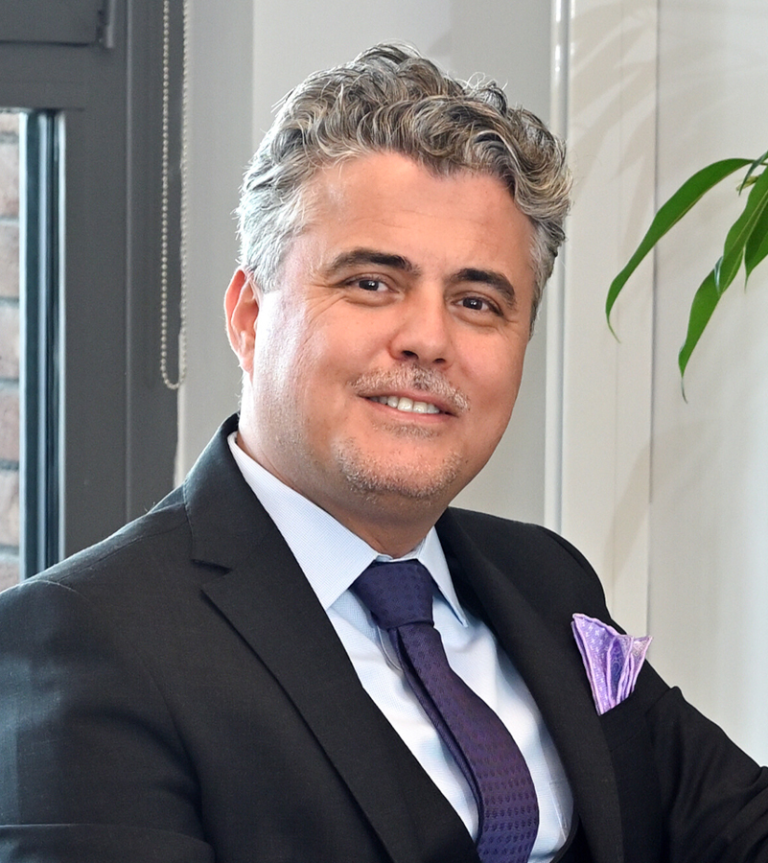
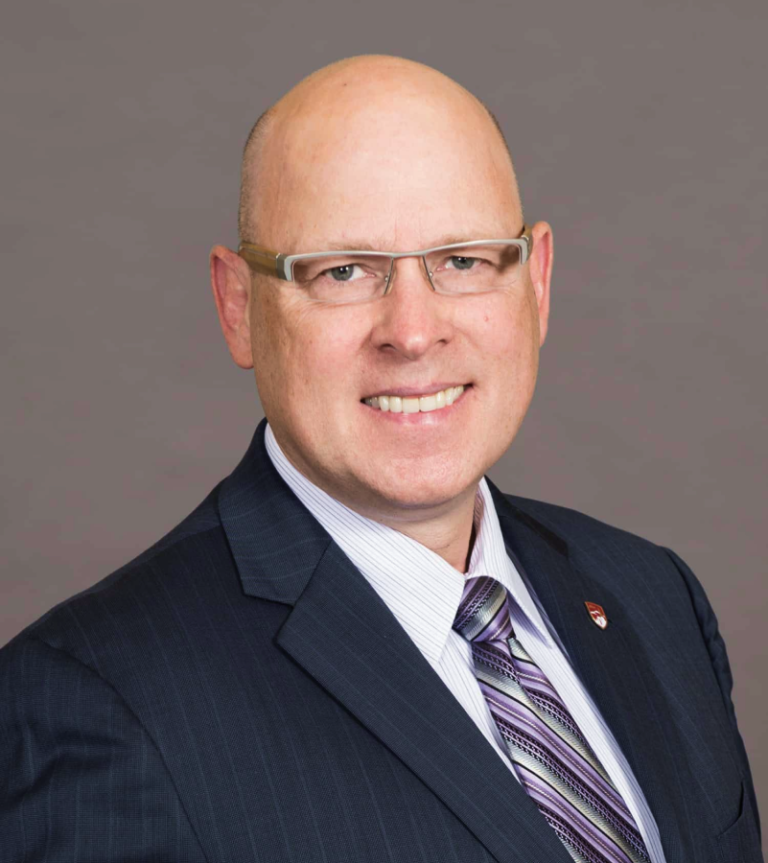
"Talent is evenly distributed, but opportunity isn’t"

What happens at Maharishi that students might not expect from a career training institute?

The biggest surprise for a young person walking into Maharishi is that we don’t simply ask what job we can train them for. We start with the human being. Many of our students arrive incredibly capable, but life hasn’t given them the best opportunities. Some have faced poverty, unemployment in their families, and difficult home circumstances, and they have been told, directly or indirectly, that their options are limited.

We do teach a wide range of disciplines, including cybersecurity, business, technology, financial services, and practical skills. But at our core, we ask different questions: Who are you? What do you believe you are capable of? How do you become steady in yourself so that you can go out and build a successful life?

That’s why meditation, personal development, and consciousness-based activities aren’t extras at Maharishi; they’re part of the education. Students arrive expecting a qualification, and then they start to learn about themselves and see the world differently.

What has surprised you most about teaching meditation alongside job skills?

How practical it is. Many people hear the word “meditation” and think of something soft and abstract, separate from employment. But when you watch a student who has lived under enormous pressure learn to quiet their mind, regulate their emotions, and focus, you quickly understand why meditation belongs here.

We can teach technical skills, but students will still walk into interviews nervous. They will still face rejection, difficult bosses, pressure, deadlines, and moments of self-doubt. We can’t remove those things from life; everyone experiences them. What we can do is help build people who meet those experiences differently.

That has been the real revelation: we’re not just preparing young people to get jobs. We’re preparing them to sustain careers, relationships, pressure, and life as a whole.

What have students achieved through the Cybersecurity Academy that makes you especially proud?

What makes me most proud are the partnerships we’ve built with leading organizations such as Absa. Our cybersecurity program was developed alongside Absa, and it’s deeply rewarding to see young people gaining hands-on experience in cybersecurity, AI, and the other fields shaping the future of work.

Standing in those spaces, I sometimes wonder whether these young people realize where they are headed and how much opportunity lies ahead of them. We believe talent is evenly distributed, but opportunity isn’t. We see brilliant young South Africans who could become cybersecurity analysts, engineers, developers, and technology leaders, but who simply haven’t had access to the right door.

What moves me most is watching those doors open through partners like Absa, and then seeing our students walk through them and end up somewhere they never imagined.

Where do students still face the biggest hurdle between training and getting a job?

The biggest hurdle is still opportunity. We feel very strongly at Maharishi that training without a pathway to employment isn’t enough, which is why our model is built on demand-driven education.

South Africa has a great many young people who are desperate to work. There is no shortage of ambition, and no shortage of potential. What we lack are open doors. So we focus on understanding where the jobs actually are, working closely with employers, and building training pathways around real economic demand.

The most heartbreaking outcome would be to give a young person hope, train them well, hand them a certificate, and then watch them leave only to face another closed door. For us, employment is part of the education journey, not something that happens after it. We achieve a 95 percent employment placement rate, which we’re very proud of.

Can you share a graduate story that changed how you think about Maharishi’s impact?

There isn’t just one story; I hear them all the time, and together they have changed me. When I started in this role, I thought about impact in conventional terms: how many students were trained, how many qualifications were earned, and how many went into employment.

Then I began to know the people behind those numbers. Many of our students work on campus, so I’ve had the privilege of working alongside them, building relationships, and learning their stories.

Some have endured extraordinary hardship, including abuse, neglect, crime, and profound loss. Many are the sole earners in their families, so while they study and try to build a different future, they are still sending money home. Yet every day, they show up with positivity and gratitude. Their days are long; they spend many hours on campus because we want to instill a work ethic and a sense of responsibility, which gives them dignity. We also give them something even more important: a place where they belong.

Some have no family to fall back on, yet they are supporting several younger siblings. To show up every day while carrying that kind of weight is phenomenal, and it transformed how I understand Maharishi’s impact.

Some of our students are young mothers, and they can breathe a little easier because our Montessori preschool allows them to bring their children to campus. We also provide meals every day, so students can take food home to their families when needed.

What gives me hope is that, through consciousness-based education, meditation, PTSD support, and psychosocial care, the trajectory changes not only for our students but for their families and future generations. PTSD levels are very high when students arrive, and we monitor how those levels fall over time. That is an important part of the ecosystem we’ve built at Maharishi.

How has Dr. Taddy Blecher shaped Maharishi’s story and its vision for the future?

I don’t think you can tell the Maharishi story without talking about Dr Taddy Blecher.

He is genuinely one of the most remarkable humanitarians I’ve ever met. For more than two decades, he has dedicated his life to the belief that where a young person comes from should never determine where they are allowed to go.

More than 25,000 young people have now been educated through Maharishi, but Taddy’s vision continues to grow.Today, that vision is Education Town — right in the heart of the Johannesburg CBD. It’s about creating an ecosystem where a young person can come to study, eat, access technology, participate in sport, develop personally and ultimately find a pathway into meaningful employment.

What I love about Taddy is that where others might see struggling buildings, communities or young people, he sees possibility.

And I feel incredibly privileged to be part of bringing that vision to life — because it’s not only about changing individual lives. It’s about showing what’s possible for a city, and ultimately for our country.

Finally, which career path are you most eager to open up to students next?

We have a great deal underway, and I’m excited about every one of our career paths and academies. But our biggest focus right now is technology.

We’ve just opened MNIT, a brand-new building dedicated to our next step in technology. Partners are sponsoring floors, and we’re bringing in AI, robotics, cybersecurity, and the full range of IT training to give our students a level up.

What drives me is that Africa has an extraordinary young population, and we don’t want our young people to simply watch the next technological revolution happen somewhere else. We want them in the CBD, building it. That’s the model we’re creating, and it’s what I’m most excited about.

Beyond technology, our academies span financial services, facilities management, security, and other industries. The questions we constantly ask are: Where is the economy going? Where are the jobs? How do we get young people there? Our approach is to work with industry-aligned organizations and partners to create job opportunities, looking ahead and saying, “There’s an opportunity coming, so let’s make sure our students are ready and equipped for it.”

If we can keep doing that at scale, particularly for young South Africans who have historically been excluded from these opportunities, we can achieve something genuinely transformational, not only for individual students but for the country as a whole.

Technology will be a major focus for us in the next few years. It can be daunting, but we can choose to walk alongside it and gain the knowledge we need.

Latest From The Executive Insight