Education
“Our students get a lot of opportunities that don't exist in brick-and-mortar schools. ”
28 March 2026

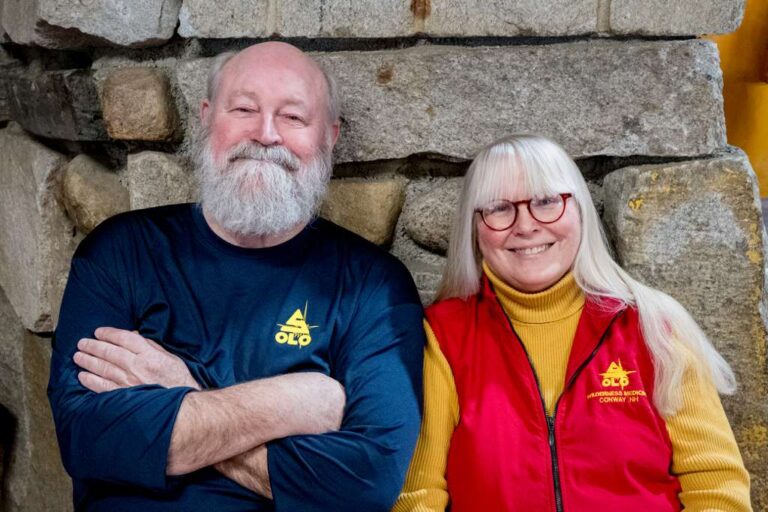


“Our students get a lot of opportunities that don't exist in brick-and-mortar schools. ”

“Our success has also come from the balance of three things: superior products, a strong dealer network, and a culture that puts people at the center.”
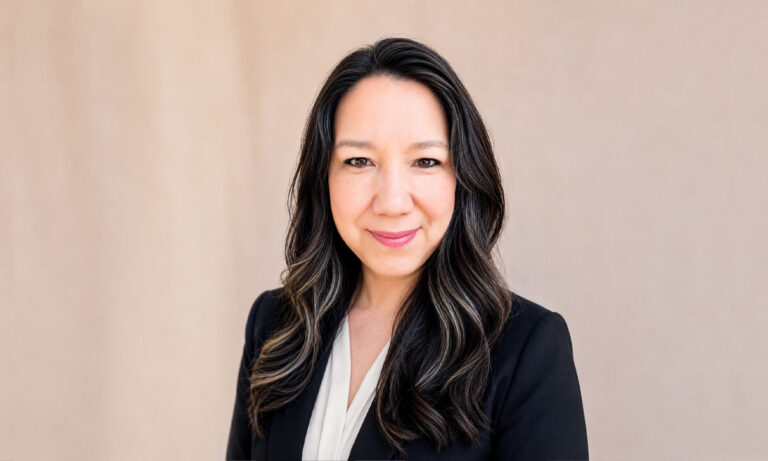
“We have expanded opportunity for students while investing in the people and resources that make their success possible.”

Six months in, the project is behind, the numbers are soft, and you keep finding reasons to give it one more quarter. The Annie Duke quit argument is built for that moment. Quitting on time usually feels like quitting too early, she argues, so the […]

You have seen the schedule pinned to a productivity blog: up at four, write, run, bed at nine. It belongs to Haruki Murakami, and it travels with Murakami What I Talk About When I Talk About Running, his 2007 memoir. The clock times come from […]

Someone on your leadership team keeps quoting Phil Jackson, and you want the book behind it. Phil Jackson Eleven Rings is his 2013 memoir, written with Hugh Delehanty, about coaching the Bulls and Lakers to 11 NBA titles. It is built around 11 leadership principles, […]

The Tiger Woods practice routine in his prime, in his own words, was a four-mile run, a gym session, two or three hours of balls, a round, short-game work and another four-mile run. His former coach Hank Haney adds a 6 a.m. gym start and […]

You read the briefing pack twice, it felt familiar, and in the meeting the numbers would not come. Here is the make it stick summary. Rereading builds a feeling of knowing. Recalling from memory, spacing your practice and mixing topics build knowledge that lasts, even […]

Your retirement projection ends at 95 with more money than you have today. Here is the die with zero summary. Bill Perkins argues that money matters for the experiences it buys, so you should spend it while you can enjoy it, give it away while […]

A plan met reality and someone handed you Ryan Holiday’s book. The obstacle is the way summary fits in two sentences. A setback becomes the route forward when you meet it with three disciplines, seeing it clearly, acting on it and accepting what you cannot […]

Search for the Chris Hemsworth diet and three numbers come back, 500 calories, 4,500 and 6,000, as if one man ate all three. He said 500 or 600 a day in 2013, for a shipwreck film. His trainer set 4,000 to 4,500 for Thor: Love […]

Someone on your team has forwarded the Netflix culture deck as the model for your own, so it helps to know which version they mean. Reed Hastings published the 125-slide original in August 2009. Netflix now runs a far shorter culture memo, and our check […]

A colleague swears this book fixed her stress, and you have one train journey to find out why. Here is the power of now summary. Eckhart Tolle argues that most suffering comes from treating your thinking mind as your self, and that putting your attention […]
The weekly Executive Briefing: insights, books, tools, and media opportunities worth your attention — curated and distilled into 5 minutes.

You’re almost there. Please check your email and confirm your subscription. Once you confirm, we’ll send your free guide to the best AI tools, and your first issue will follow soon.
Can’t find the email? Check your Promotions or Spam folder.
Your request has been successfully submitted. Please wait for a reply from our manager, he will contact you as soon as possible.
Your copy of The Executive Insight Book Challenge List is downloading now. Enjoy the list — and while you're here, take a look at our latest interviews.