Subscribe to outperform
The weekly Executive Briefing: insights, books, tools, and media opportunities worth your attention — curated and distilled into 5 minutes.

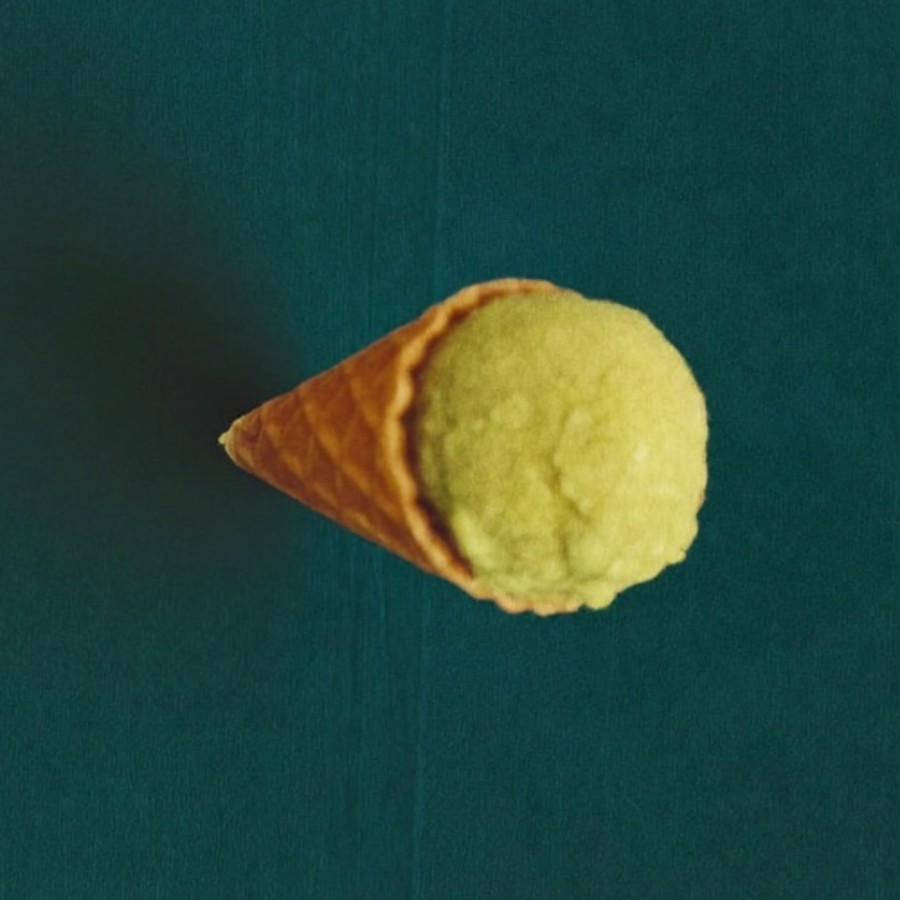

The hotel brochure for your team offsite promises la dolce vita, and it reads like praise. The dolce vita meaning in American dictionaries is less flattering. Merriam-Webster defines it as “a life of indolence and self-indulgence” and dates its first known English use to 1961, the year after Federico Fellini’s satirical film about Rome’s high society opened.
Most pages that explain the phrase stop at the translation, the sweet life. We went to the dictionaries instead. Our newsroom read 12 definitions in English and Italian reference works, coded each as approving, neutral or disapproving, and followed the phrase back past the film to an Italian stage comedy of 1912.
It has a sister phrase that gets mixed up with it. Our trace of dolce far niente found it first recorded in English in 1814, and found 12 of 26 popular claims about it with no source we could find. Merriam-Webster defines that one as “pleasant relaxation in carefree idleness”, an afternoon off. Dolce vita, in the same dictionary, is a whole way of living, and a less admired one.
Borrowed phrases tend to lose their footnotes on the way. Our check of hara hachi bu found eight of 14 pages calling the Okinawan eating rule Confucian, and none of them citing a Confucian text that says 80 percent.
Of 12 dictionary and reference definitions of dolce vita we checked on 24 November 2026, five attach a word of censure such as indolence, self-indulgent or dissolute, three call it a good or carefree life and four stay neutral.
Four of the five disapproving entries are American dictionaries: Merriam-Webster, American Heritage, Webster’s New World and the American entry on Dictionary.com. The fifth is Vocabulary.com, whose short definition says self-indulgent while its longer note describes a relaxed, happy life. The three approving entries are Oxford’s learner’s dictionary, The Phrase Finder and an entry on The Free Dictionary that reads, simply, the good life.
Both English dictionaries that give a first-use date put it in 1961, and Etymonline says the phrase came from the title of Fellini’s 1960 film. The Phrase Finder says 1960, without a citation. In Italian it is older. Two Italian sources credit the journalist Arnaldo Fraccaroli with a 1912 comedy called La dolce vita.
| What we counted | Result |
|---|---|
| Definitions checked | 12 |
| Attach a word of censure | 5 of 12 |
| Neutral | 4 of 12 |
| Approving | 3 of 12 |
| Disapproving entries from American dictionaries | 4 of 5 |
| English dictionaries giving a first-use date | 2, both 1961 |
| Italian first use credited | 1912, a Fraccaroli comedy |
| Italian senses that are a garment | 1, the dolcevita sweater |
La dolce vita meaning, word for word, is the sweet life. In English it names a life of luxury and pleasure, and older American dictionaries add a judgement: Merriam-Webster says indolence and self-indulgence. La Dolce Vita is also the title of Federico Fellini’s 1960 film, which carried the phrase into English.
Dictionary.com shows the split on one page. Its American entry calls it the good life “perceived as one of physical pleasure and self-indulgence”. Its British entry, from Collins, says only a life of luxury.
The approving side is plainer. Oxford Learner’s Dictionaries describes a life of pleasure and expensive things without any worries, and gives the entry no approving or disapproving label.
What does la dolce vita mean, word for word? La is the, dolce is sweet and vita is life, so la dolce vita means the sweet life. Etymonline traces dolce to the Latin dulcis and vita to the Latin for life, and notes that English borrowed a French cousin, douce vie, in the late 14th century.
Etymonline glosses the modern phrase as a life of pleasure, recorded in English in 1961 from the title of Fellini’s film. English Wikipedia translates the title as the sweet life or the good life. The words are ordinary Italian. The 1960 film changed what they referred to.

The table lists each definition in short, how we coded it and any date the source gives. Wording in quotation marks is the source’s own; the rest is our summary.
| Source | Definition | Our code | Date given |
|---|---|---|---|
| Merriam-Webster | “a life of indolence and self-indulgence” | Disapproving | 1961 |
| American Heritage | “A luxurious, self-indulgent way of life” | Disapproving | None |
| Webster’s New World (YourDictionary) | “An easygoing, often dissolute, way of life” | Disapproving | None |
| Dictionary.com, American entry | The good life, seen as physical pleasure and self-indulgence | Disapproving | None |
| Vocabulary.com | A luxurious, self-indulgent lifestyle; today, a relaxed and happy one | Disapproving | Fame from the 1960 film |
| Dictionary.com, British entry (Collins) | A life of luxury | Neutral | None |
| Etymonline | A life of pleasure | Neutral | 1961, from the 1960 film |
| Italian Wikipedia | A rich and luxurious lifestyle (our translation) | Neutral | 1912 play, 1960 film |
| Wikizionario, on Virgilio Sapere | Dolcevita: a close-fitting high-necked sweater | Neutral | Named from the 1960 film |
| Oxford Learner’s Dictionaries | Pleasure and expensive things, without worries | Approving | None |
| The Free Dictionary | “the good life” | Approving | None |
| The Phrase Finder | The good life, full of pleasure and indulgence | Approving | English after the 1960 film |
The disapproving entries share a vocabulary: indolence, self-indulgent, dissolute. The approving ones share a picture, a life free of worry with good things in it. The neutral ones describe money and pleasure and leave the verdict to you.
Before Fellini, dolce vita had a life on stage. Italian Wikipedia, citing a 2016 article in the Verona newspaper L’Arena, says the journalist Arnaldo Fraccaroli coined it as the title of a 1912 comedy. A profile of Fraccaroli by Gianpietro Olivetto says Fellini reused the expression half a century later.
The Olivetto profile, hosted by the Veneto order of journalists, calls the play a paradoxical comedy, written in Derna and Benghazi while Fraccaroli covered the Italo-Turkish War, in our translation. Coined is a strong word for two ordinary Italian words, and neither source shows the pairing was unused before 1912. What both show is a title, on a stage, 48 years before the film.
The Phrase Finder says the phrase was already common in Italian before 1960 and entered English that year. It names no source for the first half. Etymonline and Merriam-Webster both put the first English use in 1961.
Dates are where stories like this go wrong. Our piece on the post hoc ergo propter hoc fallacy at work found that of 13 business claims crediting a result to whatever came first, seven fell apart and only one held.
The la dolce vita movie was a satire. English Wikipedia calls Federico Fellini’s La Dolce Vita a 1960 satirical comedy-drama, and it won the Palme d’Or at Cannes that year. Marcello Mastroianni plays Marcello Rubini, a tabloid journalist, and Italian Wikipedia says the film shows the seemingly rewarding life of the city’s jet set and its rituals.
Critics read it as a judgement on that world. Britannica calls it “a compelling indictment of the decadence of modern life”. Italian Wikipedia quotes the critic Philip French calling it a satire on a grand scale. The Vatican newspaper L’Osservatore Romano condemned the film in 1960, according to English Wikipedia.
English Wikipedia dates its Italian release to 5 February 1960. Italian Wikipedia places a Rome premiere at the Fiamma cinema two days earlier and says the audience at the national premiere in Milan, on 5 February, booed. English Wikipedia lists a total gross of $19,516,348 and calls the film a critical and commercial hit.
So the film that carried the phrase abroad was criticising the life the phrase now advertises. Merriam-Webster’s 1961 sense, indolence and self-indulgence, sits much closer to Fellini’s point than to the hotel brochure.
Famous labels drift from their evidence in the same way. Our trace of photographic memory found that of eight people offered as having one on 13 popular pages, only one passed a published lab test, once, in 1970.

A satire became a lifestyle slogan because, on our reading of the record, the images outlived the argument. Fellini’s dolce vita included Anita Ekberg in the Trevi Fountain, a scene Britannica places among the most famous in film history, and the glamour travelled further than the critique. The newer dictionaries record the result.
Vocabulary.com credits the 1960 film with making the phrase famous by showing the fancy life of people in Rome. Today, it says, the phrase means living in a way that is relaxed, happy and full of pleasure. Neither it nor Oxford’s learner’s dictionary mentions satire.
Italian went further and turned it into clothing. The dictionary entry on Virgilio’s Sapere site, taken from Wikizionario, defines dolcevita as a close-fitting, high-necked sweater and says the word derives from the title of Fellini’s 1960 film. Italian Wikipedia says Mastroianni wears one in it.
The film gave English a second word. The photographer Paparazzo, played by Walter Santesso, became paparazzi. Merriam-Webster dates paparazzo in English to 1961 and defines it as a freelance photographer who aggressively pursues celebrities.
Old numbers repeat long after anyone checks them. Our count of the Jay Leno car collection found 15 of 24 pages still saying about 180 cars, his 2018 estimate, though he said 214 in December 2025.
The career lesson sits in the gap between the image of success and the work under it. Fellini’s hero earns his living covering other people’s glamour, in a film Britannica calls an indictment of decadence. Four American dictionaries still carry that verdict in their definitions. The postcard version dropped it.
Public numbers about successful people show the same gap. Our check of Gordon Ramsay’s net worth found 21 of 24 pages repeating $220 million, a figure unchanged since 2021, and 15 of them naming no source. Of 25 pages giving a Dolly Parton net worth figure, six presented a Forbes estimate from June 2025 as her worth at death.
Belfort’s readers show a preference for method. Six of nine lists of Jordan Belfort books start with his memoir, yet on Audible his sales manual, Way of the Wolf, has six times the memoir’s 1,618 ratings.
Sales trainers make the same choice. Of 14 sales-book lists that include a Zig Ziglar book, 11 pick Secrets of Closing the Sale over See You at the Top, the title with the most Goodreads ratings. Across the eight Cal Newport books, Deep Work holds 200,133 of 403,395 Goodreads ratings, while A World Without Email has 6,629.
Claims about method need the same scrutiny as claims about money. Our reading of Jay Shetty’s books matched nine of 22 research claims to a source. Of 19 versions of the Mike Mentzer workout routine on 15 popular pages, four match his late programs.
If the sweet life you want is mostly time, the hours data says more than the slogan. The OECD measures in our guide to the countries with the best work life balance put about 10% of employees across the OECD at 50 or more hours a week.
The test for a career is the one the older dictionaries apply to the phrase: is the life you are aiming at the substance or the photograph of it? In our study of leaders with imposter syndrome, five of the six who said what helped named preparation, the part of the work that rarely makes the picture.
On 24 November 2026 our newsroom fetched 12 definitions of dolce vita, or la dolce vita, from English and Italian dictionaries and reference works: Merriam-Webster, American Heritage, Webster’s New World as carried by YourDictionary, the American and British entries on Dictionary.com, Vocabulary.com, Oxford Learner’s Dictionaries, The Free Dictionary, The Phrase Finder, Etymonline, Italian Wikipedia and the Wikizionario entry on Virgilio. Each entry counts once, so the dolce vita meaning can be compared source by source.
We coded a definition disapproving if it used a word of censure (indolence, self-indulgence, dissolute), approving if it framed the life as good or free of worry, and neutral otherwise. Where an entry mixed the two, as Dictionary.com’s American entry and Vocabulary.com do, the censure word decided. Plain indulgence was not counted as censure.
Collins, Cambridge and Longman would not load for our tools, so the Collins wording came through Dictionary.com. Treccani’s page loaded without an entry. The Free Dictionary page also repeats the American Heritage and Collins wording, counted elsewhere; we counted only its distinct entry, the good life, which names no source. Italian quotations are our translation. Film facts come from Britannica and the English and Italian Wikipedia pages. The full dataset is available on request.
The paparazzi origin is a news photographer named Paparazzo in Fellini’s 1960 film. World Wide Words reports that Ennio Flaiano, a screenwriter on the film, noted in June 1958 that he found the name in the Italian translation of George Gissing’s 1901 travel book By the Ionian Sea. Fellini said at one point that the name came from an opera libretto.
It is in Rome’s Trevi Fountain, where Anita Ekberg, as Sylvia, wades in fully dressed and Mastroianni follows her. English Wikipedia says the scene was shot over a week in winter. Italian Wikipedia calls it an emblem of 20th-century cinema.
It depends on the dictionary. In our sample, Merriam-Webster, American Heritage, Webster’s New World and Dictionary.com’s American entry attach censure, while Oxford’s learner’s dictionary describes a pleasant life without worries. The film the phrase came from was a satire.
The phrase now names a sweater and a version of success that photographs well. Four American dictionaries still record what it meant in 1961, and that older sense is the more useful one to remember when someone offers you the sweet life.

Written by
Editor of The Executive Insight. Writes about leadership, decision-making and the parts of building a business that nobody puts in the plan.
Your first meeting starts at nine, the next at ten, and the hard thing you meant to do is still waiting at six. The eat that frog Brian Tracy rule is written for that day. Pick the most important task you are most likely to put off, and do it before anything else. Tracy builds […]
Most personal development books get read once, enjoyed and forgotten by the following quarter. A few are worth a second read, because they change what you do on an ordinary Monday rather than how you feel on a Sunday afternoon. The ten below pass that test. Each one is listed with the decision it helps […]
Most people who want to read more assume the problem is time. Usually it is something smaller: no fixed place in the day for reading, and a habit of finishing books they stopped enjoying fifty pages in. If you want to know how to read more books, start there. Give reading a slot, not a […]
Someone in the room wants to buy a business nobody at the table can value, and a colleague says to stay inside your circle of competence. The circle of competence is the set of decisions you can judge better than most people. Warren Buffett’s version […]
The Bruce Lee workout routine credited to his notes was short and kept changing: a 1965 gym card of squats, presses and curls, then a full-body barbell session of about two sets per lift, three days a week. Most popular pages add punch counts, running […]
You have an offer that works and a homepage that does not explain it. There are seven Donald Miller books written for business owners, from Building a StoryBrand in 2017 to its revised 2.0 edition in 2025. Every marketing list we found that names him […]
Give Jill Price, the first person studied with HSAM, a date and she could name the day of the week it fell on and what she did that day. HSAM, short for highly superior autobiographical memory, was first reported in 2006, and twenty years of […]
Search for Adam Sandler net worth and most pages give you $440 million. That figure came from Celebrity Net Worth, which now says $500 million on a page updated on 30 September 2026. Forbes, the usual referee, publishes no net worth for him. It publishes […]
Sales jumped the quarter after the new head of marketing arrived, and the board is ready to give her the credit. Post hoc ergo propter hoc, Latin for “after this, therefore because of this”, is the name for that leap: treating an event as the […]
The Mike Mentzer workout routine, as his final book set it out, was one all-out set per exercise across a four-workout rotation: chest and back, legs, shoulders and arms, legs again. It started at one session every four days, and the gaps grew longer as […]
You have a quota, a new territory and a manager who keeps quoting Zig Ziglar. Zig Ziglar books number more than 30, and eight matter for work. Of the 14 published sales-book lists in our sample that include one of them, 11 name Secrets of […]
Search for how many cars Jay Leno owns and the answers run from 105 to 214. The Jay Leno car collection stood at 214 cars “on the road”, plus motorcycles, by Leno’s own count in December 2025. Most pages still say about 180, the figure […]
Your calendar is full, your inbox is fuller, and someone has told you to read Cal Newport. There are eight Cal Newport books: three student guides and five on work, from So Good They Can’t Ignore You (2012) to Slow Productivity (2024). Start with the […]
The weekly Executive Briefing: insights, books, tools, and media opportunities worth your attention — curated and distilled into 5 minutes.

You’re in. Your free guide to the best AI tools is on its way to your inbox, and your first issue will follow soon.
Can’t find the email? Check your Promotions or Spam folder.
Your request has been successfully submitted. Please wait for a reply from our manager, he will contact you as soon as possible.
Your copy of The Executive Insight Book Challenge List is downloading now. Enjoy the list — and while you're here, take a look at our latest interviews.