Subscribe to outperform
The weekly Executive Briefing: insights, books, tools, and media opportunities worth your attention — curated and distilled into 5 minutes.



As companies race to adopt AI and data tools, Alessandro Vergendo argues the science only delivers when people, science and technology work as one system.
A company can now measure almost everything about its business except the one thing most likely to break it: the people running it.
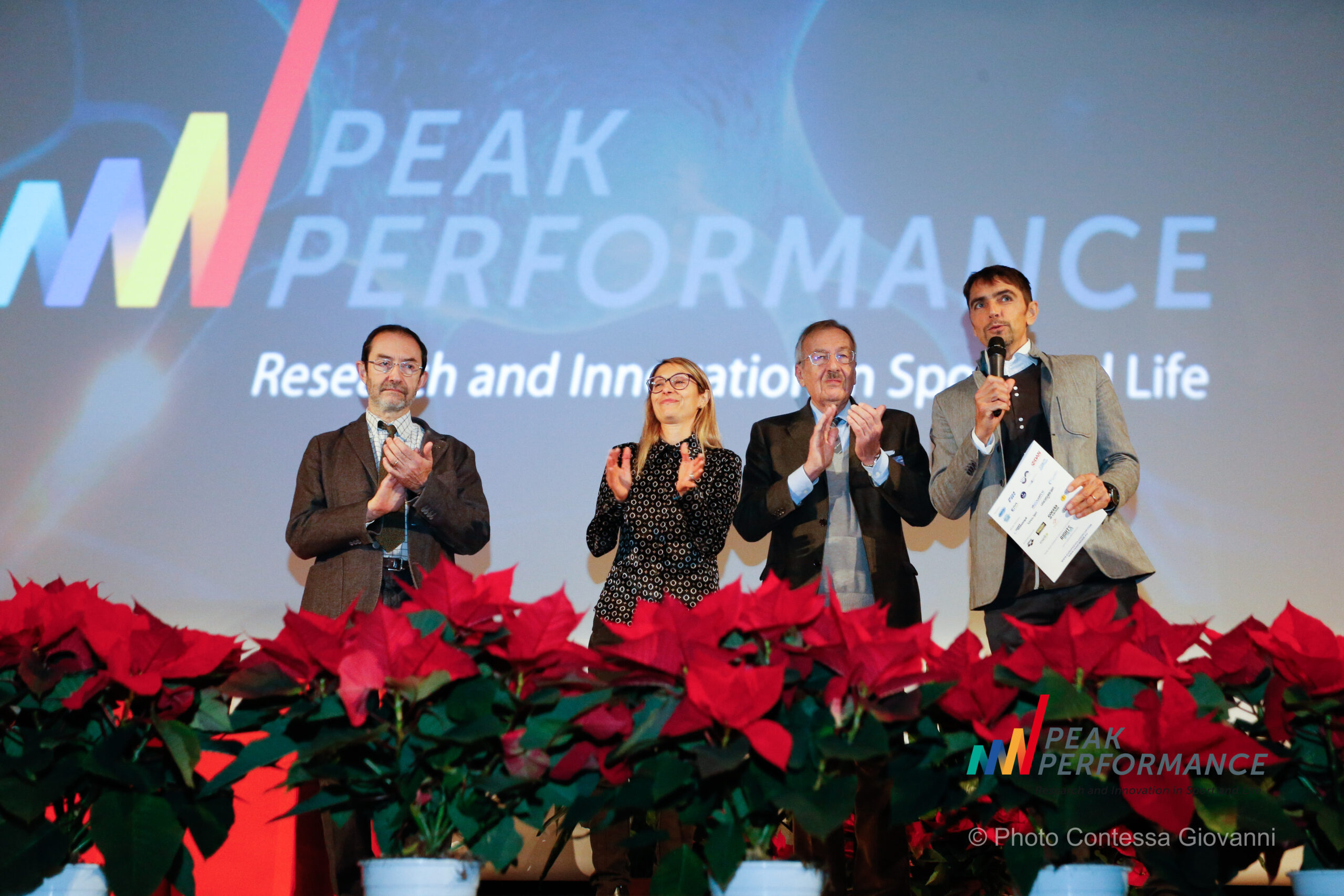
Alessandro Vergendo built VEGA Consultancies L.L.C. in Dubai in 2022 to close that blind spot. VEGA applies neuroscience, physiology, and data science to organizations, but its founder is quick to say what the company is not: not a single technology, not a single product, not a single discipline. Vergendo, who draws on more than thirty years in the field alongside co-founder Dr. Rosarita Gagliardi, built the company’s Peak Performance Hub to pull researchers, universities, and technology partners into one team around each client.
“It is built around the human being,” Vergendo says. Consulting, physiological data, training, and technology, in his telling, are different parts of the same system — brought together on purpose, not stitched on as an afterthought.
Here is how that plays out in practice. A client rarely arrives with a clean problem. They arrive with a complaint: “We have a stress problem,” or “This team is not performing,” or “We do not understand why we have high absenteeism or turnover.” VEGA runs that complaint through six steps — assessment, measurement, interpretation, strategy, intervention, outcome measurement — using tools like EEG and heart-rate variability to see what’s actually happening underneath it. But the reading itself is never the answer. “We do not want to replace the person with data,” Vergendo says. “We want to integrate what the person tells us with what we can measure.”
Most organizations aren’t there yet. Vergendo says well-being and cognitive training are still treated, at most companies, as a perk — something offered to employees rather than built into how the business runs. International research he cites puts the return on workplace health programs at 2.5 to 4.8 times every euro spent, mostly through less absenteeism. Filed under “benefit” instead of “strategy,” that return goes uncollected.
The price of that gap is not small. European data Vergendo cites tie 50 to 60 percent of lost working days to work-related stress, with the condition’s toll across the EU-15 estimated near €20 billion. Widen the lens to mental health generally and the number climbs past €240 billion a year, more than half of it in lost productivity rather than treatment. “A performance achieved through the progressive depletion of an individual’s or team’s resources cannot be considered High Performance in the long term,” Vergendo says, a principle also developed through years of working alongside Olympic athletes, where the ability to combine performance, resource management and long-term sustainability represents a fundamental element of High Performance.
VEGA has planted itself in a market built to test that thesis. Dubai’s Economic Agenda D33 makes skills development and AI adoption explicit government priorities, and VEGA sits in the partner registry of the Technology Innovation Institute, where it ran a 2023–2024 project with TII’s Biotechnology department tracking cognitive function and physiology in UAE and European executives. It has also worked with the Dubai Sports Council on Olympic athlete monitoring, hosted alongside the Council’s team and laboratory at facilities including the NAS Sports Complex, Deep Dive Dubai and the Hamdan Sports Complex, and more recently has been engaging with the UAE Ministry of Investment, the Dubai Department of Economy and Tourism, and Dubai Chambers. Abroad it collaborates with the University of Brescia, the University of Geneva, Italy’s National Research Council in Rome, and Milan’s SDA Bocconi School of Management, and in previous years Vergendo and Dr. Gagliardi carried out training activities within the European Commission, at the Joint Research Centre in Seville and the JRC in Ispra.
VEGA is also building an app and Made in UAE devices meant to carry its methods to market. Vergendo keeps the specifics close for competitive reasons, but offers a deliberate point of curiosity: in concept, technology integration and methodology, he believes the work could introduce a profoundly innovative approach within the sector.
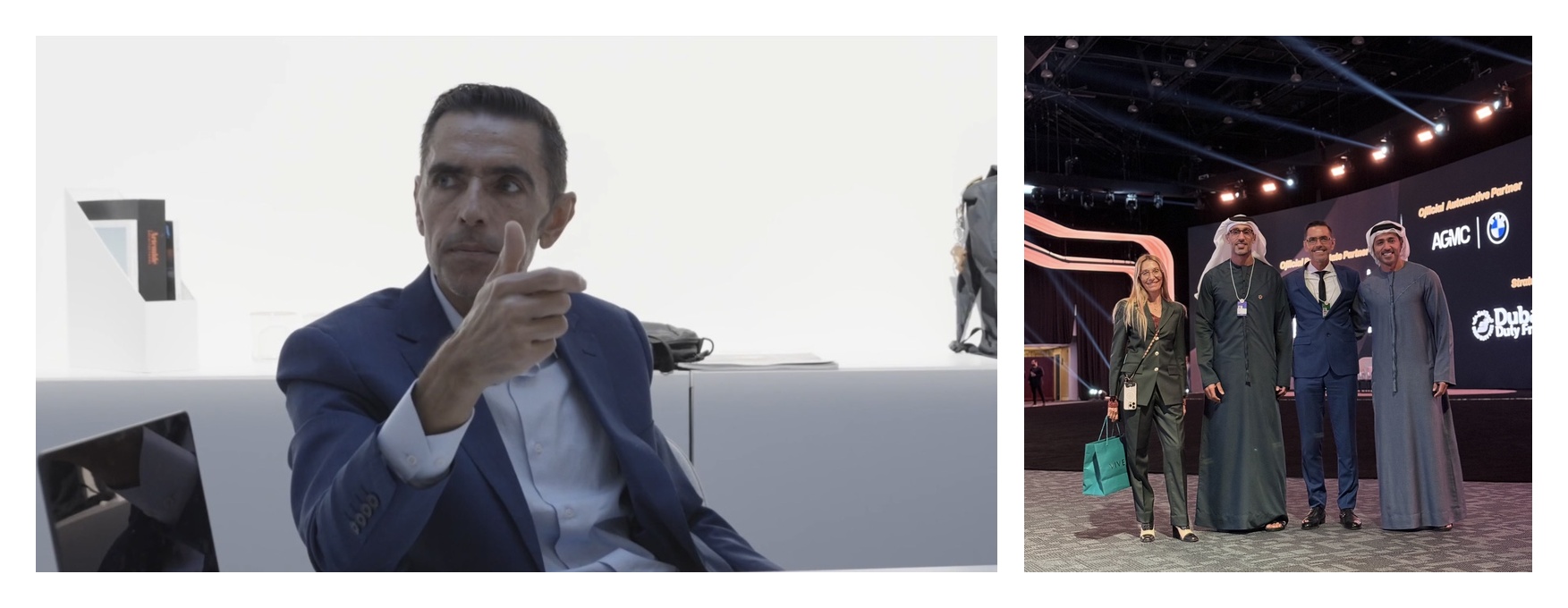
“People remain at the center,” Vergendo says — a line he repeats often enough that it functions as a kind of internal rule. A person still has to interpret the information, decide, lead, collaborate and take responsibility, and as systems grow more complex those demands grow with them. That principle runs across everything VEGA applies itself to: leadership and Human Capital development, wellbeing, cognitive neuroenhancement, High Performance Teams, neuromarketing and sport. The outcome it works toward is neither a person who simply feels better nor one who performs well for a short period, but the conditions for sustainable high performance — and, further out, a society that can measure earlier, understand earlier and intervene earlier, treating Human Performance as part of the infrastructure through which organizations and institutions invest in their Human Capital. “Technology and Human Performance, therefore, do not represent two alternative paths,” Vergendo says. “The future will emerge from the quality of their integration.”
Learn more about Vega Consultancies at vegaconsultancies.com

As automation reshapes economies worldwide, Global Human Index founder Mario Kempken is building the transparency framework that governments and businesses need now.

Headquartered in Columbus, Ohio, Worthington Steel is the No. 1 producer of tailor-welded blanks, the No. 1 independent producer of hot-dipped galvanized steel in North America and the No. 3 manufacturer of electrical steel laminations in the world.

Starting as a collection agency, GSA BPO has expanded steadily into multichannel customer service, back-office services, comprehensive BPO solutions and management of outsourced services.
The weekly Executive Briefing: insights, books, tools, and media opportunities worth your attention — curated and distilled into 5 minutes.

Welcome to The Executive Insight. Your free AI guide to the best tools is on its way. The first issue arrives soon. Check your promotions tab if it is not in your inbox!
Your request has been successfully submitted. Please wait for a reply from our manager, he will contact you as soon as possible.
Your copy of The Executive Insight Book Challenge List is downloading now. Enjoy the list — and while you're here, take a look at our latest interviews.