Healthtech & Biotechnology
“We can see certain glycan patterns change up to 10 years prior to someone developing diabetes, a heart attack or stroke, and many other conditions.”
11 May 2026

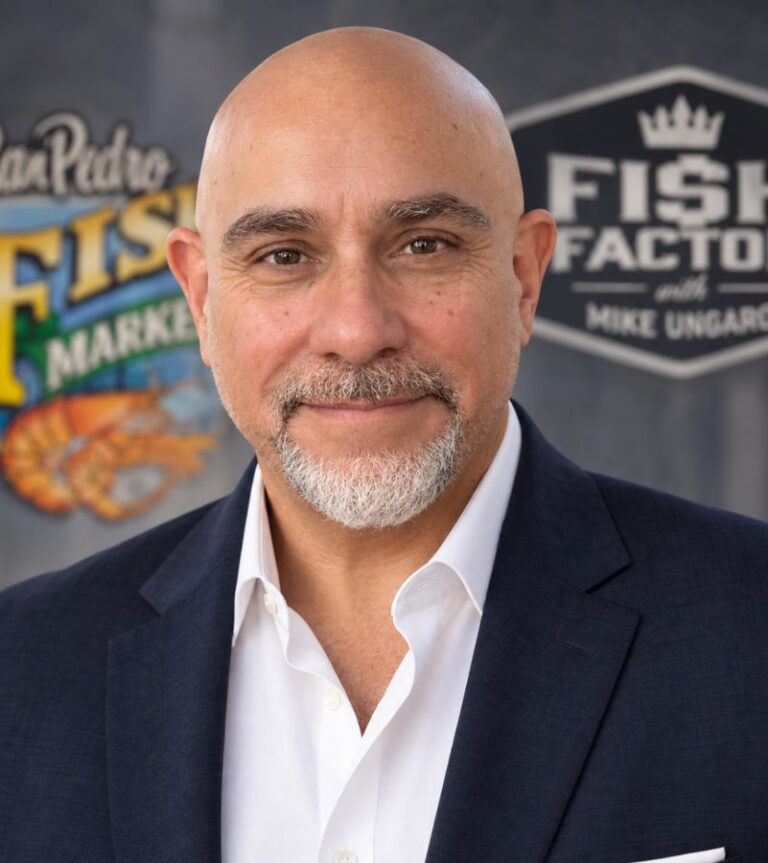


“We can see certain glycan patterns change up to 10 years prior to someone developing diabetes, a heart attack or stroke, and many other conditions.”
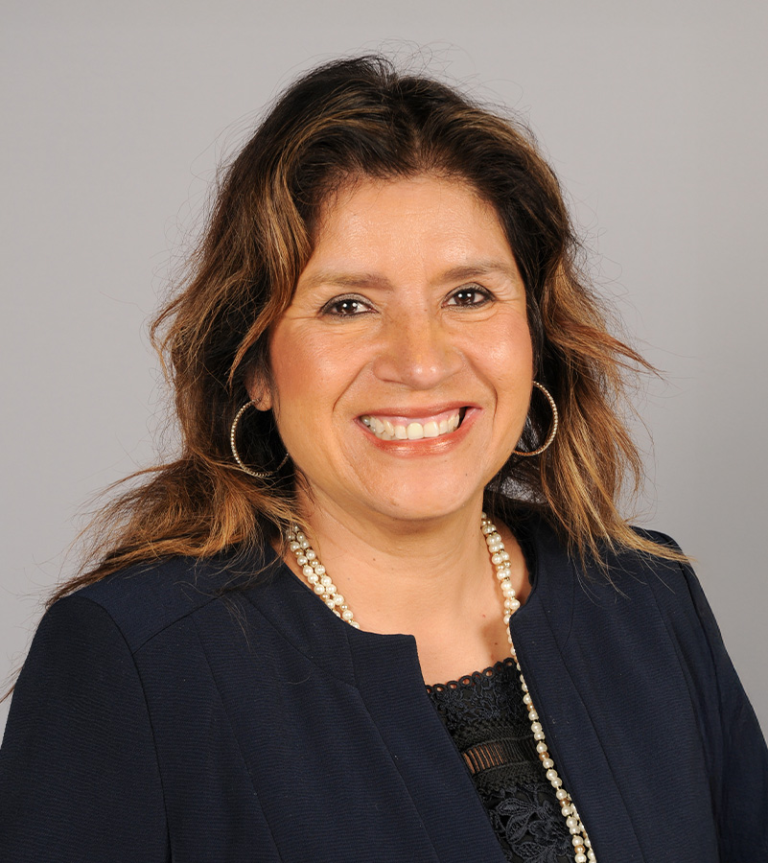
“At Centralia, we focus on action, moving swiftly and continuously working to support our students and families.”
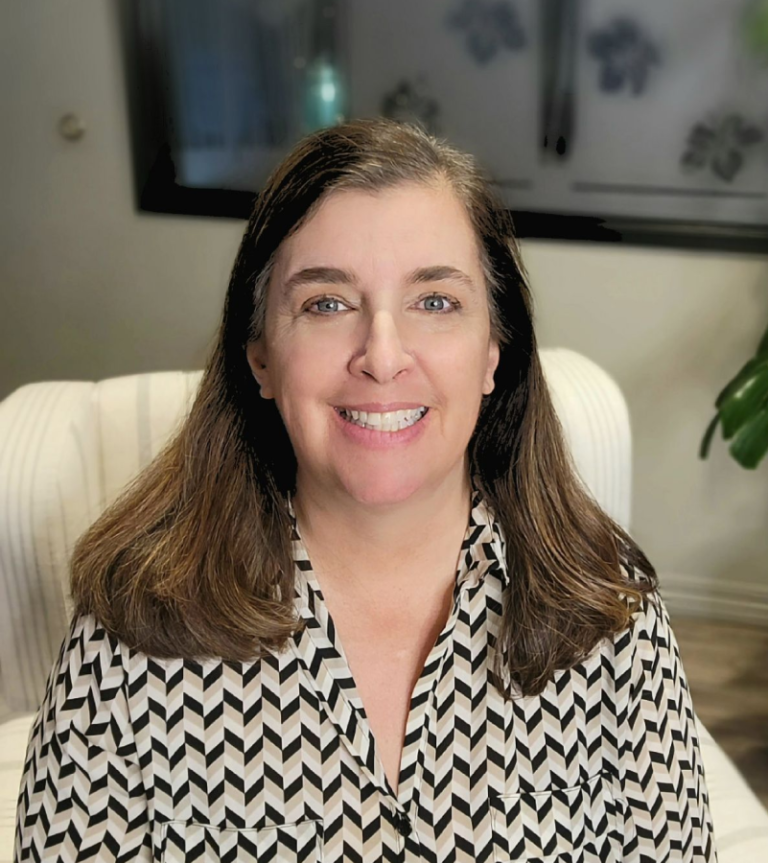
“We listen to our parents and provide a program that partners with parents to really personalize the learning.”

The first week of the holiday goes well. You sleep ten hours a night, read a novel for the first time in a year, and start to feel like yourself. Then, somewhere around the Sunday before you fly home, the dread comes back. Two weeks […]

Most advice on how to manage stress at work treats stress as a personal failing: breathe better, sleep more, download an app. Those help at the edges. They leave untouched the thing that makes work stressful for most people, which is having a lot asked […]

Most people asking how to become a consultant already have the hard part: years of doing something well inside a company. What they lack is a way to sell it. Consulting is a business built on a narrow promise, and the people who struggle usually […]

Is an online MBA worth it? For a working professional who wants the knowledge and the credential without giving up a salary, it can be one of the better deals in higher education. For someone who wants to change careers, it is often the weaker […]
AI consulting for small businesses has become a crowded market in about two years. Agencies that built websites now sell AI audits. Freelancers who learned prompting last spring sell implementation packages. Most owners who get a pitch have no way to judge it, because they […]

Will AI replace financial advisors? For the part of the job most clients think they are paying for, the portfolio, it largely has. Software has been picking funds, rebalancing and harvesting tax losses for over a decade, for a fraction of what an advisor charges. […]

You sit down to do the one piece of work that matters today, and forty minutes later you have answered six messages, read two articles and started nothing. Learning how to stay focused at work is less about willpower than about design. Attention breaks because […]

Most advice on balance starts with values and ends with a vague promise to spend more time with family. The practical version is smaller and more useful. The time management techniques for work life balance that actually last are the ones that decide where work […]

A full-time chief financial officer is out of reach for most small businesses. A fractional one is not, and that is why the question of fractional CFO cost comes up at a particular stage: revenue is growing, cash feels tighter than it should, and the […]

Most people who want to read more assume the problem is time. Usually it is something smaller: no fixed place in the day for reading, and a habit of finishing books they stopped enjoying fifty pages in. If you want to know how to read […]
The weekly Executive Briefing: insights, books, tools, and media opportunities worth your attention — curated and distilled into 5 minutes.

Welcome to The Executive Insight. Your free AI guide to the best tools is on its way. The first issue arrives soon. Check your promotions tab if it is not in your inbox!
Your request has been successfully submitted. Please wait for a reply from our manager, he will contact you as soon as possible.
Your copy of The Executive Insight Book Challenge List is downloading now. Enjoy the list — and while you're here, take a look at our latest interviews.