Education
“At Dayton Public Schools, we’re building a lasting system that puts students first, drives innovation, and unites the community to transform education for future generations.”
27 December 2024



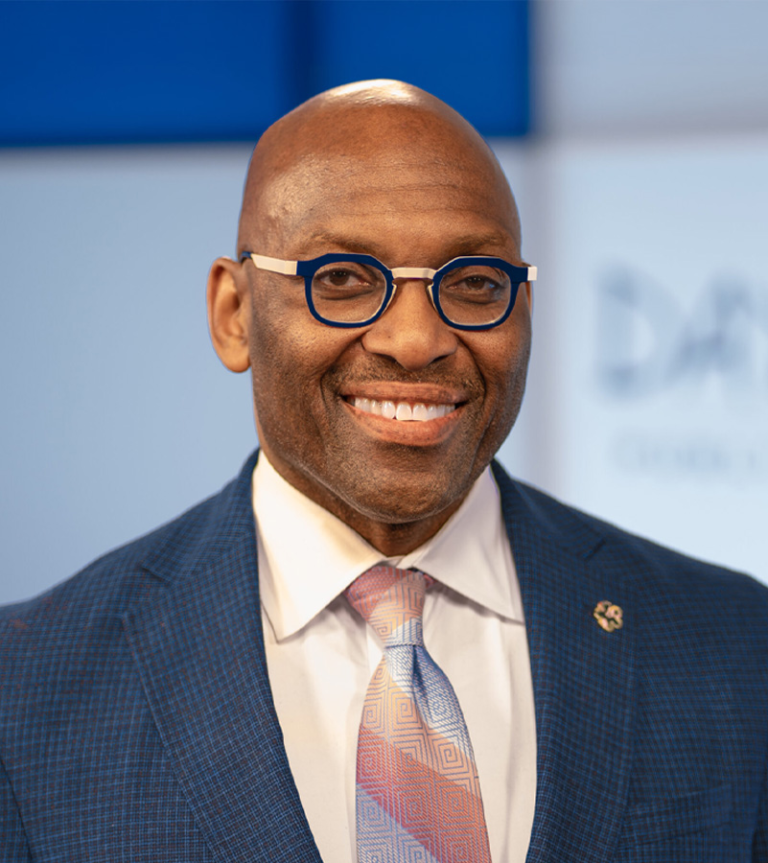
“At Dayton Public Schools, we’re building a lasting system that puts students first, drives innovation, and unites the community to transform education for future generations.”

“We're teaching people how to handle irritations and frustrations, and it keeps them living a much more peaceful life.”

“Guaranteeing access to school is not enough if children and young people do not also have the conditions they need to stay, learn, participate, and develop fully.”

A sleep schedule rarely breaks all at once. A deadline keeps you up until one, a flight lands late, the weekend runs long, and by Monday your body wants to sleep at 2am and wake at ten while your calendar starts at eight. Here is […]

Most consulting rates are set by guessing. Someone asks what you charge, you name a number that feels brave but not ridiculous, and that number quietly decides your income for the next two years. There is a better way. Work out what your year has […]

Most personal development books get read once, enjoyed and forgotten by the following quarter. A few are worth a second read, because they change what you do on an ordinary Monday rather than how you feel on a Sunday afternoon. The ten below pass that […]

You ask an AI for a statistic and it hands you one, with a footnote. You click the footnote and the number is not on the page. That is where the Perplexity vs ChatGPT choice really begins. Perplexity is built to find sources and put […]

The first meeting usually goes pleasantly. The office is warm, the adviser is good company, and by the end you have talked about your children, your plans for retirement and the house you might sell one day. What you have rarely done is ask the […]

You have two offers on the table, or two candidates, or two ways to spend the next year, and you have been going round in circles for a week. What you are looking for is a decision making framework, something that turns the loop into […]

The first week of the holiday goes well. You sleep ten hours a night, read a novel for the first time in a year, and start to feel like yourself. Then, somewhere around the Sunday before you fly home, the dread comes back. Two weeks […]

Most advice on how to manage stress at work treats stress as a personal failing: breathe better, sleep more, download an app. Those help at the edges. They leave untouched the thing that makes work stressful for most people, which is having a lot asked […]

Most people asking how to become a consultant already have the hard part: years of doing something well inside a company. What they lack is a way to sell it. Consulting is a business built on a narrow promise, and the people who struggle usually […]

Is an online MBA worth it? For a working professional who wants the knowledge and the credential without giving up a salary, it can be one of the better deals in higher education. For someone who wants to change careers, it is often the weaker […]
The weekly Executive Briefing: insights, books, tools, and media opportunities worth your attention — curated and distilled into 5 minutes.

Welcome to The Executive Insight. Your free AI guide to the best tools is on its way. The first issue arrives soon. Check your promotions tab if it is not in your inbox!
Your request has been successfully submitted. Please wait for a reply from our manager, he will contact you as soon as possible.
Your copy of The Executive Insight Book Challenge List is downloading now. Enjoy the list — and while you're here, take a look at our latest interviews.