Hr Technology And Recruitment
“We're the first to market with AI-driven video interviews, and we're setting the tone for conversational AI in recruiting.”
24 November 2025




“We're the first to market with AI-driven video interviews, and we're setting the tone for conversational AI in recruiting.”

“It’s a strong signal that the Familux concept is ready to resonate well beyond its Alpine heartland.”
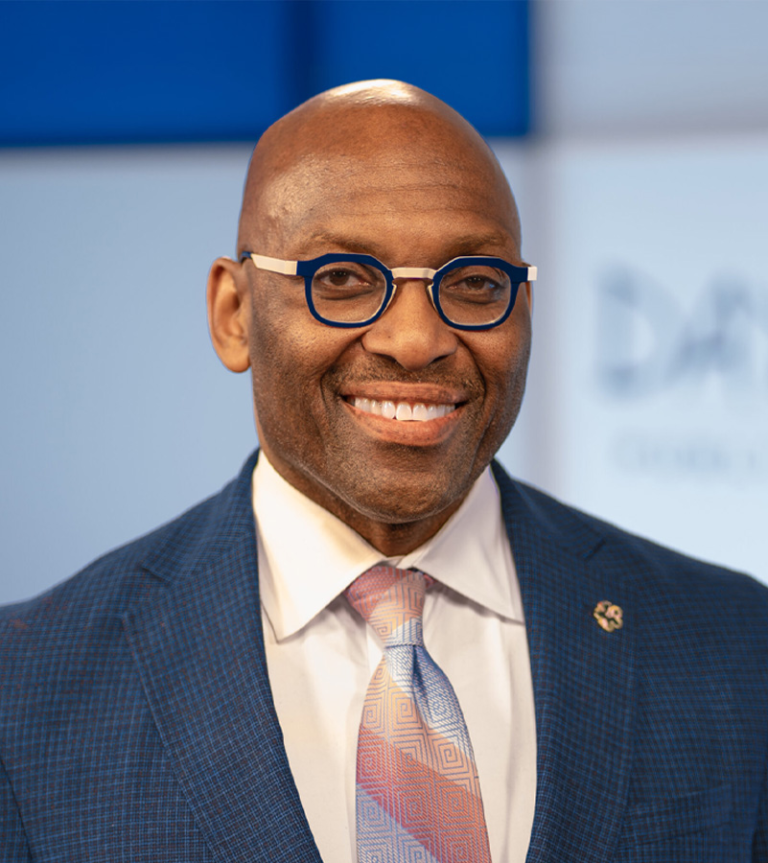
“At Dayton Public Schools, we’re building a lasting system that puts students first, drives innovation, and unites the community to transform education for future generations.”

You heard a Jim Rohn line at a sales kickoff and want the book it came from. Jim Rohn books are fewer than the shelf suggests: of the 20 most popular titles under his name on Goodreads, six were print books published in his lifetime. […]

Your watch is still nagging at 9pm, 3,000 steps short of a goal you never chose. The 10000 steps a day target began as the name of a 1965 Japanese pedometer, the manpo kei, or “10,000 steps meter”. A 2025 review of 57 studies found […]

You have a team that is stuck, and someone has told you to read Lencioni. His Wikipedia bibliography lists 13 Patrick Lencioni books, from The Five Temptations of a CEO in 1998 to The 6 Types of Working Genius in 2022, and 11 of them […]

A colleague sends you the four-circle chart before your career review: what you love, what you are good at, what the world needs, what you can be paid for. The ikigai meaning in Japanese is simpler. Ikigai means a reason for living, often a small […]

You have a client dinner on Thursday and a colleague swears by one author on reading people. Vanessa Van Edwards books number six by our count, and three matter for work: Captivate (2017), Cues (2022) and Conversation (October 2026). For a room full of strangers, […]

Someone at dinner says the richest person on your street is the one with the oldest truck, and the source is a book from 1996. The Millionaire Next Door, by Thomas J. Stanley and William D. Danko, argues that most American millionaires built their wealth […]

The launch slipped a quarter, the board meeting went badly, and a colleague sends you two words by way of comfort: amor fati. The amor fati meaning is love of fate, wanting what happened, losses included, instead of wishing it away. The Latin phrase first […]

You have heard that Warren Buffett drinks five Cokes a day and lets the stock market pick his breakfast. Both are his own words. The Warren Buffett diet, as he tells it, is Coca-Cola, a McDonald’s breakfast, ice cream, potato sticks and steak, settled by […]

You have just been handed a team, and someone on it swears by John Maxwell. John Maxwell books number more than 100 by his own count, and five of the nine lists we counted start with The 21 Irrefutable Laws of Leadership. If you are […]

You have read the famous one, or meant to, and want to know what else is on the shelf. Dale Carnegie books number 10 by our count, from The Art of Public Speaking in 1915 to The Leader in You in 1993. Both Goodreads reader […]
The weekly Executive Briefing: insights, books, tools, and media opportunities worth your attention — curated and distilled into 5 minutes.

You’re in. Your free guide to the best AI tools is on its way to your inbox, and your first issue will follow soon.
Can’t find the email? Check your Promotions or Spam folder.
Your request has been successfully submitted. Please wait for a reply from our manager, he will contact you as soon as possible.
Your copy of The Executive Insight Book Challenge List is downloading now. Enjoy the list — and while you're here, take a look at our latest interviews.