By the time a customer can name the reason they left, they have often been drifting for a while.
Qualtrics surveyed 20,001 consumers across 14 countries, including the UAE, in the third quarter of 2025. After a bad experience, 34% of consumers reduced their spending with that company and another 13% stopped altogether, so close to half of customers who have a bad experience spend less or leave. The finding that should worry an owner is the quiet one: fewer than one in three tell the company anything, the lowest share the survey has recorded. The complaint you received was the exception. Much of the rest shows up later as a number.

An older PwC survey points the same way, finding that 32% of customers would walk away from a brand they loved after a single bad experience. Neither study measures the slow version of the story, and neither can tell you how many customers leave over three small things instead of one big one. There is research on the underlying mechanism, though. For The Effortless Experience, Dixon, Toman and DeLisi drew on a survey of roughly 100,000 customers and found that 96% of those who had a high-effort experience became disloyal, compared with 9% of those whose experience took little effort. Effort, not drama, is what moves people. What the Qualtrics data adds is that when it happens, you will probably hear nothing.
Most businesses have a process for the disaster: the apology, the refund, the manager’s phone call. Very few have anything for the third small thing, because no single instance of it looks worth a process.
James Clear’s Atomic Habits is a book about personal habits, but its central mechanism is about accumulation, and it transfers cleanly. Clear’s argument is that small actions compound. Improve by 1% a day and the gains multiply; decline by 1% a day and you end up near zero. The change is invisible while it happens, which is why he describes the plateau of latent potential, where results lag far behind the behavior producing them, and then arrive all at once. The line most people remember is the one about systems: you do not rise to the level of your goals, you fall to the level of your systems.
He also explains why friction matters more than intention. People follow the path of least resistance, so the way to change behavior is to make the desired thing easier and the unwanted thing harder, rather than relying on anyone to try harder.
Read from the customer’s side, that is a plausible description of how a lot of churn happens, and it is the same thing the effort research measured. Your customer isn’t running a scorecard. They are following the path of least resistance, and every small piece of friction you add to your own process nudges them toward a competitor whose version takes less effort. The reply that arrives in two days, the invoice with the wrong reference, the form that asks for details you already have, the confirmation that never arrives. Each one is below the threshold anyone would complain about. Together they can cross it, and by then the drop looks sudden even though it wasn’t.
Two habits follow for an owner.
Count the friction, not the complaints. Once a quarter, go through your own process as a customer does, from first enquiry to final invoice, and write down every step that takes more effort than it should. Then fix the three cheapest. This works because the items on that list almost never generate complaints, so no other part of your business will ever surface them.
Ask at the moment, not at the end of the year. An annual survey asks people to remember. A single question after the transaction catches the thing they noticed twenty minutes ago and would never have written an email about. Keep it short enough that answering costs less effort than staying silent.
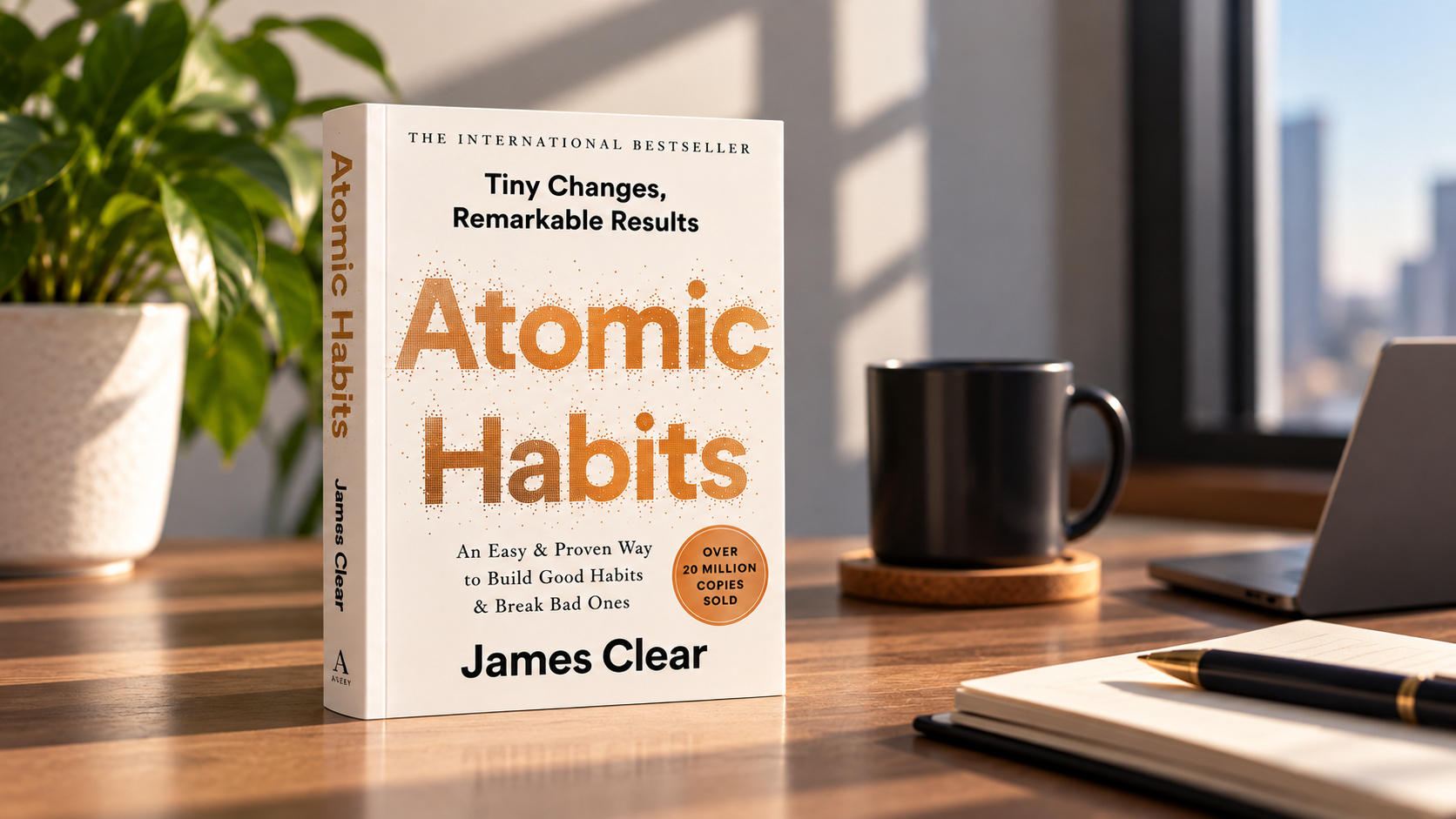
We may earn a commission if you buy through this link.
Best for: Owners who want a mechanism for why quality drifts, not a customer service script. Reading commitment: About six hours, practical and built around one idea applied many ways.
The second habit runs into an obvious problem: the people most worth hearing from are the ones least likely to answer. A category of feedback tools now tries to close that gap by asking at the moment of the interaction rather than in a quarterly review.
Survicate is one of them. It sends short, triggered questions by email, link, or website prompt, then uses AI to group the open-text answers into themes and sentiment, so twenty scattered comments about “the booking” become one visible pattern. It can also pull in support tickets, which means the complaints that did arrive get read alongside the ones you had to ask for.
Know the trade-offs first. It only hears from people who answer, so it narrows the silent majority without removing it. Pricing is keyed to response volume and starts biting earlier than most owners expect, several useful features sit on higher tiers, and the product is built with software teams in mind, so a service business will spend time reshaping it. And a themed report is not a fix. It tells you which step people keep mentioning. Someone still has to go and change that step.
TEI offers a feature placement in Gulf News, arranged through our media relationships. Gulf News reaches a market where service consistency is the main difference between businesses that customers stay with and ones they quietly replace, and where most readers have direct experience of both. If you want the details, our Calendly is here, or reply to this email.
Take with you: What is the smallest thing in your business that a customer would never complain about, and never forget?
The Executive Insight, 169 Madison Ave STE 11570, New York, NY, 10016