
Nobody agrees to do a month of free work. They agree to a small thing on a Tuesday, and then to the next small thing.
The mechanism is one of the oldest findings in social psychology. In 1966, Jonathan Freedman and Scott Fraser published an experiment in the Journal of Personality and Social Psychology in which researchers asked homeowners to put a large, ugly road-safety billboard in their front garden. Asked cold, 17% agreed. A second group had first been asked to display a three-inch sticker with the same message, which almost everyone did. When those households were approached about the billboard a few weeks later, 76% said yes.

The researchers were studying how to get strangers to agree to things, not how client work expands, so applying it here is an adaptation rather than a finding. But anyone who has watched a project drift will recognize the shape. The first small request is easy to accommodate and feels like good service. It also quietly establishes what kind of supplier you are, and the second request is measured against the first rather than against the contract.
The scale of the problem is better documented than the cause. The Project Management Institute found in 2018 that 52% of projects had experienced scope creep in the previous year, up from 43% about five years earlier. Its 2026 survey of 2,023 project professionals and 511 senior leaders across 35 countries reports that 31% of complex projects now fail to deliver the full benefits they were meant to, against 12% in its 2024 research, and that 61% of professionals see value lost along the way.
The same survey contains the most practical number in this issue. Projects run with a structured framework were rated successful 72% of the time, against 61% without one, and 35% of professionals had used no framework at all on their most recent complex project. The difference between those two numbers is not talent or effort. It is whether anything was written down in a form someone could check later.
Which raises the harder question: why the conversation doesn’t happen. Brené Brown’s Dare to Lead is about leadership rather than client contracts, but her research lands on the reason. People avoid being explicit because they believe vagueness is the kinder option. Her finding is the reverse, condensed into a line worth keeping: clear is kind, unclear is unkind. Being vague mostly protects the person avoiding the discomfort. The other party is left guessing at what you expect, and the problem gets more expensive while nobody names it.
She lists the behaviors that masquerade as politeness, and they will be familiar to anyone who has let a project drift: hinting at a problem rather than stating it, telling half the truth to spare someone’s feelings, failing to set clear expectations and then being frustrated when they aren’t met. Her practical device is what she calls painting done: before the work starts, describe the finished result in enough detail that both sides can picture the same thing. It takes a few minutes at the briefing and saves the argument later.
Two changes follow for an owner.
Paint done in writing before the work starts. Not a scope list, which describes what is included, but a short description of what finished looks like, including what it does not include. The PMI numbers say projects with something written down succeed more often than those without, and this is the cheapest version of that. It also gives every later request an obvious reference point, which is what turns an awkward negotiation into a factual comparison.
Say it at the third request, not at the invoice. Write each yes down the same day, one line, what was asked and roughly how long it took, even when you are absorbing it. Then raise it while the number is still small. “That’s the third addition this month, which is about a day’s work, so let’s decide together how to handle it” is a conversation. The same information delivered with the final bill is a dispute, and Brown’s point is that the discomfort you avoided in week three is what made week nine unkind.
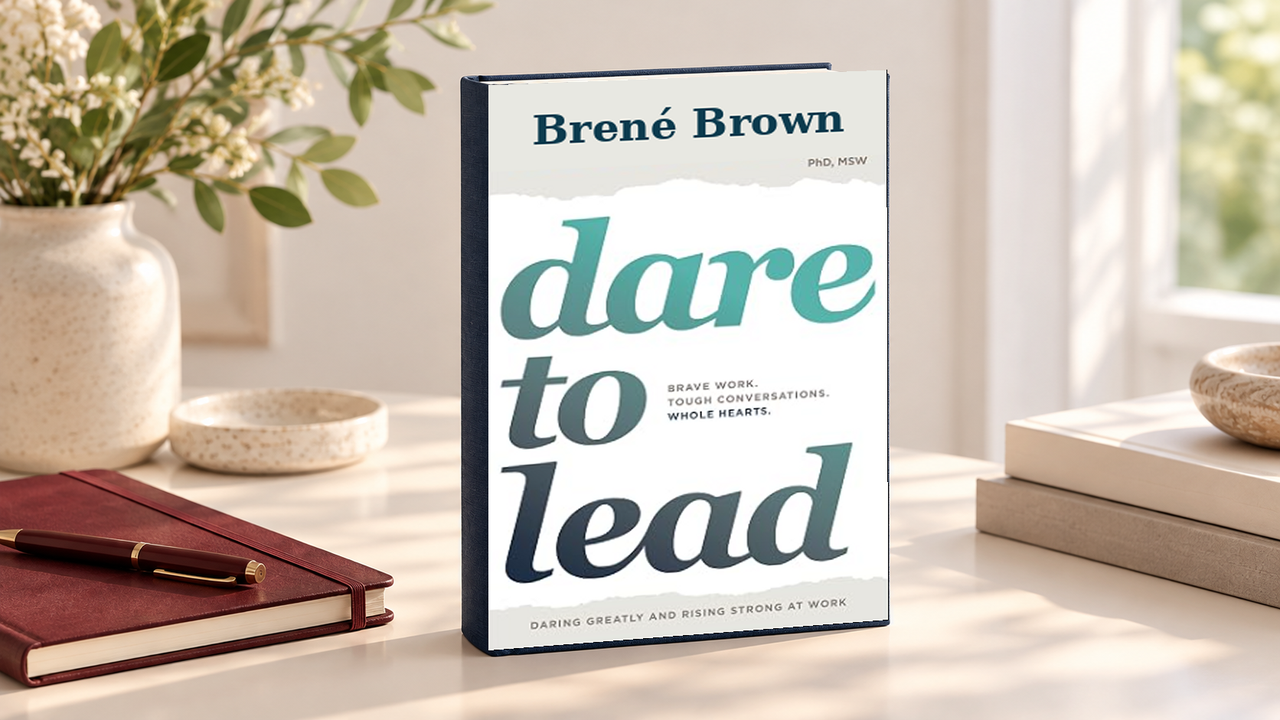 Best for: Owners who know the scope conversation needs having and keep finding a reason it can wait. Reading commitment: About seven hours, research-based and written around conversations rather than processes.
Both changes depend on noticing in time. Hours get logged late, if at all, and the overrun usually surfaces when someone adds up the month. A category of project tools now tracks hours against the budget as the work happens and flags the project before it crosses the line.
Productive is one of them. Each project carries its own budget, logged time feeds into it, and the margin updates as the work goes. You can set alerts for when a budget passes a threshold, and its AI assistant summarizes project status and flags budgets heading for trouble, which is the difference between knowing in week three and knowing at the invoice.
The limits are real. Licensing is per person and covers everyone included in a budget, so the cost scales with the whole team rather than the few people watching the numbers. Reviewers describe the interface as taking real effort to learn, the mobile app lags behind the desktop version, and there is no free plan to test with. The deeper limit is the one worth naming: it tells you the budget is going, not that you said yes to something you should have quoted for. It measures the symptom accurately. The record of the yes still has to come from you.
There is an opening for a TEI feature in Business Insider this month, arranged through our media relationships. Business Insider’s readers follow how companies actually run rather than how they present themselves, which suits a story about the operating decisions behind a business that holds its margins. If you want the details, our Calendly is here, or reply to this email.
Take with you: Of the extra work your team did last month, how much of it exists in writing anywhere?
The Executive Insight, 169 Madison Ave STE 11570, New York, NY, 10016