The problem you avoid naming does not stay the size it was when you first saw it.
The Predictive Index, a company that sells manager-coaching tools, surveyed 399 managers and 208 CEOs and business leaders in July 2026, and the two groups painted different pictures. Among the leaders, 74% said their managers were very confident handling difficult people conversations on their own. Among the managers, 42% said they knew what they wanted to say but struggled with how to say it. Asked where they were weakest, managers pointed to delivering criticism in a way that lands, and to predicting how the other person would react.

That gap is where delay lives. Nobody schedules avoidance. A manager notices something in March, has no good way to raise it, waits for a natural moment, and the moment never comes. By the time it becomes unavoidable, it isn’t a conversation about a work pattern anymore. It’s a conversation about why nobody mentioned it for six months.
Daniel Pink’s The Power of Regret is, underneath the title, a research project about the cost of not acting. He collected more than 20,000 regrets from people in 109 countries, alongside a quantitative survey of Americans. Early in life, people regret their actions and their inactions about equally. As people get older, inaction regrets take over, and overall they outnumber regrets of action. What stays with people is not so much what they tried as what they left undone.
Pink sorts regrets into four kinds, and one of them, connection regrets, the relationships allowed to drift because nobody reached out, is among the largest. His data is about friends and family, not feedback, but the pattern maps onto work. Silence often isn’t indifference. It is awkwardness with no deadline attached, so the distance grows quietly until it looks permanent. It’s a fair bet the same thing is behind the conversation you have been meaning to have with the person whose work slipped in March.
For an owner, that points to two changes.
Give the observation a date, not a mood. The moment you notice something, write one factual sentence about it into the agenda of your next conversation with that person. Not a verdict, just what you saw and when. This converts a vague unease into something with a time attached, and it prevents the six-month version of the story, where the first time anyone hears about March is in October.
Open with what you saw, not with what it means. In the Predictive Index survey, 42% of managers said they knew what to say but not how. Describing the specific thing gives them the how: state what you saw, then ask. “The last three reports came in after the deadline. What’s going on?” is a question someone can answer. “You’ve become unreliable” is a verdict they can only defend against.
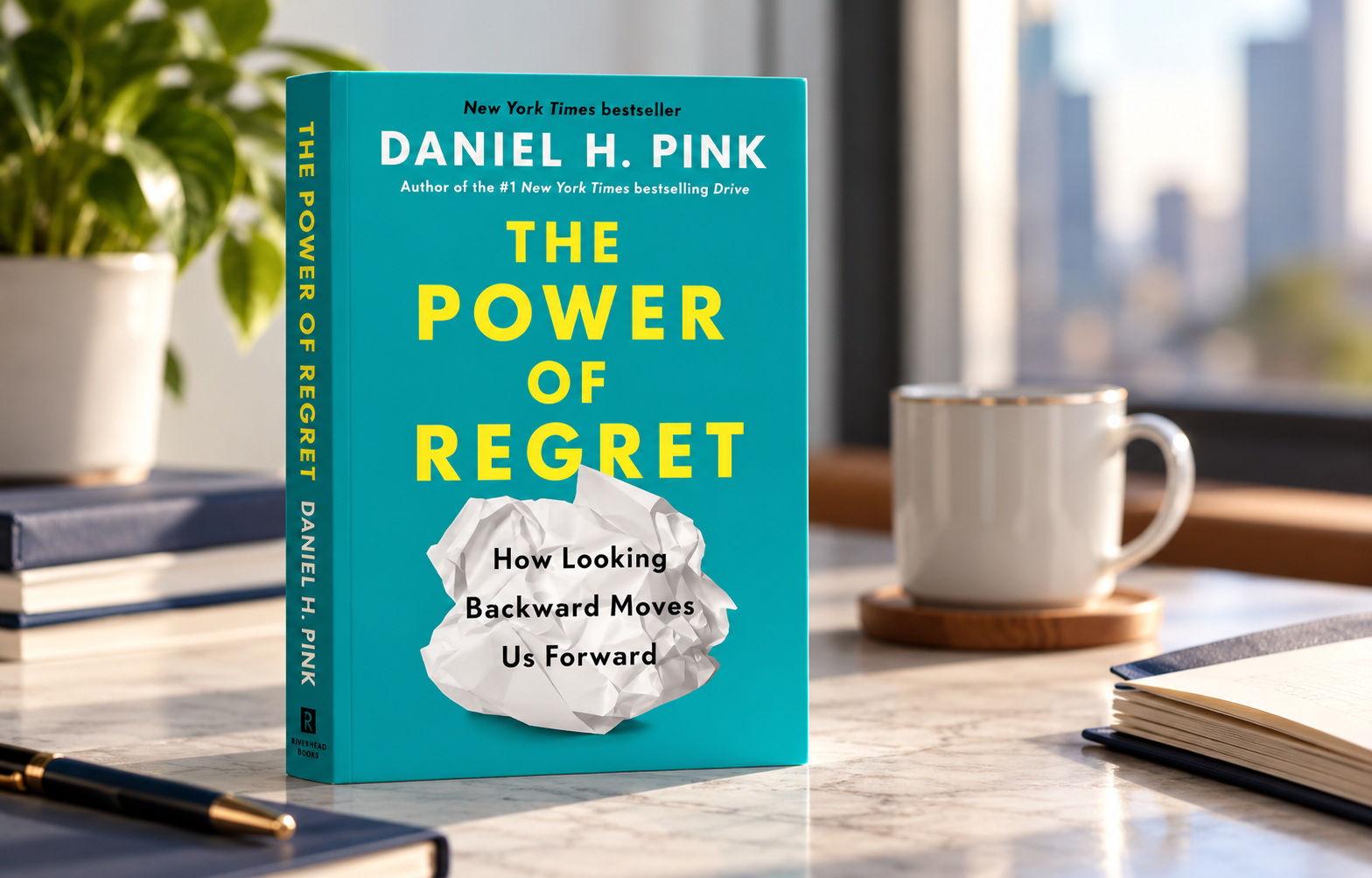
We may earn a commission if you buy through this link.
Best for: Owners who keep a mental list of things they have been meaning to raise. Reading commitment: About five hours, built on original survey data rather than anecdote.
The first change only works if there is somewhere to write the sentence, and in most small businesses the one-to-one is informal or irregular, so there is no agenda to put anything into. A category of meeting tools now gives those conversations structure without turning them into performance reviews.
Fellow is one of them. It keeps a shared agenda for recurring one-to-ones that either person can add to between meetings, so the thing you noticed on a Tuesday sits there rather than fading, and it carries action items forward. Its AI side takes notes, writes summaries, and answers questions across past meetings. It states that it does not train AI models on customer meeting data, and it lists SOC 2 Type II, GDPR and HIPAA compliance.
The limits are real. Recording a sensitive conversation changes it, and in many places you have to tell the other person it is being recorded, so the notetaker is the wrong feature for the hardest discussions. The per-person cost accumulates as a team grows, setting up recording without a bot in the meeting takes some fiddling, and a shared agenda cannot make anyone say the difficult sentence. It only makes the silence visible.
One caution applies to any tool. In the same survey, 44% of managers said they had typed employee names or performance details into public AI tools while preparing for a conversation, and only 45% of organizations had a formal written policy on AI in performance management. Fellow doesn’t solve that habit, so whatever you use, write the rule.
TEI offers a feature placement in USA Today, arranged through our media relationships. USA Today reaches a broad audience of employees and customers rather than only the trade press, and how a company handles its people is one of the few things that audience can judge from the outside. If you want the details, grab a time on our Calendly or reply to this email.
Take with you: What is the thing you noticed this month that you are still waiting for a better moment to say?
The Executive Insight, 169 Madison Ave STE 11570, New York, NY, 10016