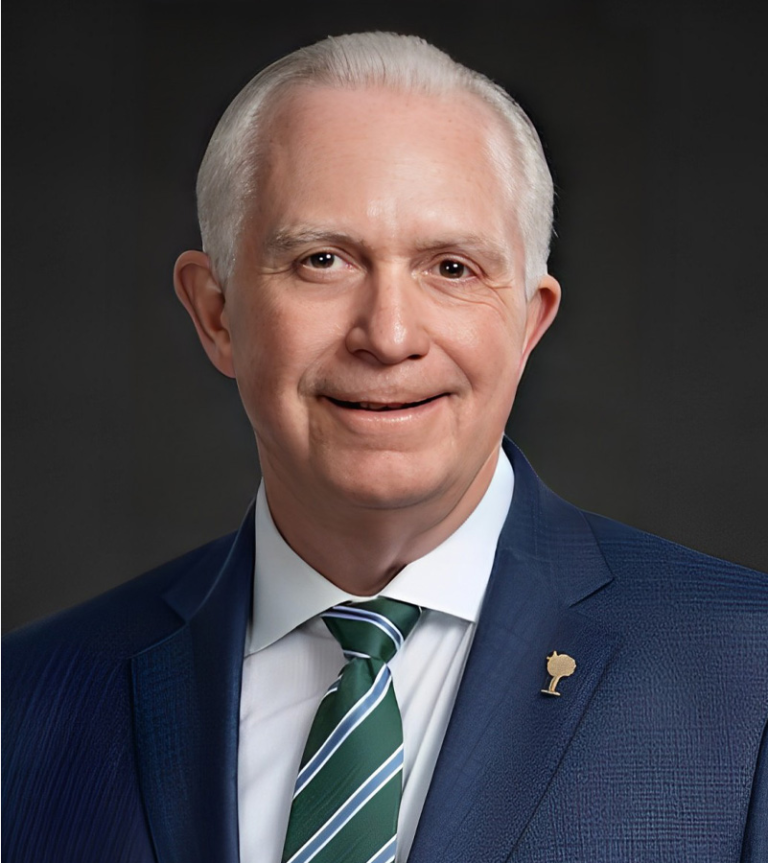
"Antioch empowers students to own their education, gain real-world experience, and make meaningful contributions to their communities."

To begin, could you provide us with an overview of Antioch College?

Antioch College, as you may know, was founded by Horace Mann, who established a tradition of innovation and leadership. Antioch holds the distinction of being the first co-educational college in the United States to offer equal opportunities to both men and women. Furthermore, it was among the first liberal arts institutions to incorporate community-based work experience as an integral part of its curriculum. Antioch was also a pioneer in offering equal opportunities to African Americans.

The college remains deeply committed to empowering students to take ownership of their education. We encourage them to actively shape their learning journey, choosing courses and experiences aligned with their interests and career aspirations. Antioch offers five interdisciplinary areas of study, providing flexibility for students to design their academic paths.

Our innovative approach includes a mandatory cooperative work program, requiring students to complete four professional placements during their four years at Antioch. These experiences not only prepare them for the workforce but also result in robust résumés that demonstrate their skills and accomplishments to future employers. This unique integration of liberal arts education and practical work experience ensures that our graduates are well-prepared for meaningful careers.

Antioch is a place where education extends beyond the classroom to address real-world challenges. This vision began with Horace Mann, who famously declared in the college’s inaugural commencement address: “Be ashamed to die until you have won some victory for humanity.” This guiding principle continues to inspire our alumni, who strive to make impactful contributions to society.

Could you elaborate on the academic programs offered at Antioch?

Antioch College offers five interdisciplinary areas of study:

  1. Cultural Power and Change – This program is designed for students who are passionate about creating societal change, whether through advancing equity in education, addressing income disparity, promoting peace, or fostering dialogue across differences.
  2. Interdisciplinary Arts and Creative Practice – A haven for students who are either creators themselves or deeply interested in the role of creativity and art throughout history.
  3. Global Studies and Engagement – This area emphasizes global citizenship, equipping students to navigate and contribute to an interconnected world while maintaining a sense of local and national identity.
  4. Social Enterprise and Social Innovation – A popular choice for students who aim to merge business acumen with a commitment to social good, whether through climate initiatives, educational reform, or community-oriented enterprises.
  5. Sustainability and the Environment – Leveraging Antioch’s location in Yellow Springs, Ohio, this program immerses students in sustainability practices and environmental studies, supported by a vibrant local community engaged in ecological initiatives.

Additionally, our Cooperative Education Program is a cornerstone of the curriculum. Students gain hands-on experience during four extended work placements, which can be pursued locally, nationally, or internationally. These experiences are invaluable in shaping their professional futures.

Antioch also features unique “learning hubs,” such as the Coretta Scott King Center, which hosts significant events like peace summits involving the families of Mahatma Gandhi and Martin Luther King Jr. Another notable hub is the Antioch Microfarm, where students engage in sustainable farming practices. These hubs provide enriched learning opportunities that extend beyond traditional academics.

Antioch is known for its exceptional faculty and favorable student-to-teacher ratio. Could you discuss the role of the faculty in the student experience?

Our faculty are deeply dedicated to both teaching and practical learning. They possess the same level of expertise as faculty at leading institutions but focus primarily on applying their knowledge in ways that benefit students. For instance, when a large branch fell from a tree outside my office, a professor saw it as a teachable moment, integrating it into a course to study environmental factors affecting trees.

Antioch’s 7-to-1 student-to-faculty ratio ensures personalized attention and fosters strong mentorship. Faculty members are not only experts in their fields but are also committed to preparing students to apply their knowledge in meaningful ways. This blend of academic rigor and practical relevance is a hallmark of the Antioch experience.

Community engagement appears to be a cornerstone of Antioch’s philosophy. What message do you have for the broader community?

Antioch College is a welcoming institution, open to all who wish to learn. We actively collaborate with the Yellow Springs community and beyond, offering various programs and resources. For instance, our farm-to-table initiative provides fresh produce for community meals, and the Coretta Scott King Center hosts events that bring together diverse voices to address critical societal issues.

Our community engagement extends to the Wellness Center, which offers affordable services, and the Herndon Gallery, a space for artistic and cultural exhibits. These efforts not only enrich the lives of our students but also strengthen our ties with the surrounding community. Antioch thrives on the mutual exchange of ideas and resources, and we invite everyone to be a part of our journey.

Affordability is a growing concern in higher education. How does Antioch address this challenge?

Antioch is deeply committed to accessibility and affordability. We work closely with students and families to minimize financial barriers, often covering a significant portion of tuition through scholarships and federal support.

We are also proud to be designated a Federal Work College, one of only ten in the country. This recognition underscores our emphasis on integrating work into education. Every student is required to work five hours per week, with their earnings applied directly to tuition. This approach not only makes Antioch more affordable but also reinforces the value of hard work and practical experience.

Finally, what is your vision for Antioch College in the next three to five years?

My primary vision is to grow our enrollment, currently at 133 students, to a sustainable level—first to 200, then 500, and ultimately around 1,000. This growth would enable us to fully utilize our expansive campus and facilities while amplifying the visibility and impact of Antioch College.

I want Antioch to be recognized as one of the nation’s premier liberal arts colleges, celebrated for its commitment to innovation, community engagement, and transformative education. Despite the challenges facing small colleges today, I believe Antioch is uniquely positioned to thrive as a beacon of opportunity and progress.

Latest From The Executive Insight

  • Education

    A former nurse manager applies for an operations role. Her résumé says “excellent communication skills” and “strong leadership”. So do most of the other applications on the recruiter’s screen. The skills are real, and as written they are invisible. Good transferable skills examples always come […]

    9 min read
  • Wealth

    The spreadsheet says 52 is possible. You have run it three times, changed the return assumption twice, and it still works. Then come the questions the spreadsheet cannot answer: how to get money out of a 401k seven years early, who pays for health insurance […]

    8 min read
  • Mindset

    Forty minutes into the meeting, the team is still arguing about which of two suppliers to choose. Both options have been costed twice. Every new argument digs further into the same two answers. Lateral thinking is the habit of stopping at that moment and asking […]

    9 min read
  • Wellness

    Thursday, 3 p.m. You read the same email for the third time and still could not say what it asks for. You slept six hours last night, and the night before, and you feel fine, mostly. So is 6 hours of sleep enough? For most […]

    9 min read
  • Business

    The Monday meeting goes quiet when one person speaks, and everyone else looks at the table. Nothing in the comment is quite bad enough to discipline. It is the fourth one this month, and the team is waiting to see whether you noticed. Knowing how […]

    9 min read
  • Lifestyle

    You land at 7 a.m., the meeting is at 9, and the shirt you packed comes out of the case with a crease across the chest that no amount of smoothing will remove. Learning how to fold a business shirt for travel takes ten minutes […]

    8 min read
  • Education

    It is late, the house is quiet, and three tabs are open. One is a $49-a-month certificate from a company everyone has heard of. One is a bootcamp that promises a new job in sixteen weeks. One is a university program whose price makes you […]

    8 min read
  • Wealth

    The offer email arrives. The number is fine, maybe slightly less than you hoped, and the recruiter is waiting for an answer. Most people say yes. Knowing how to negotiate salary at this exact point is worth more than at any other moment in the […]

    8 min read
  • Mindset

    The busiest office workers are interrupted every two minutes during core hours. That figure comes from Microsoft’s own data on how people use its software, and anyone who runs a team will recognise it. Most productivity hacks are written for a calendar you control. The […]

    8 min read
  • Wellness

    The alarm goes off at six. You hit snooze twice, get up at half past, and spend the first hour of the day feeling like someone else is driving. Most advice on how to become a morning person starts with the alarm: set it earlier […]

    9 min read