Subscribe to outperform
The weekly Executive Briefing: insights, books, tools, and media opportunities worth your attention — curated and distilled into 5 minutes.



Following the commercial rollout of its autonomous field robot, Solix, the agricultural technology company argues that reactive farming should give way to AI systems that live permanently in the field.
Following the expanded commercial availability of its autonomous field robot, Solix, agricultural technology company Solinftec is calling for a fundamental shift in how artificial intelligence is deployed on farms. The company argues that to meet the growing pressures of labor shortages, chemical reduction mandates, and yield demands, the agricultural sector should move away from reactive machine interventions and adopt “physical AI” that functions as permanent farm infrastructure.
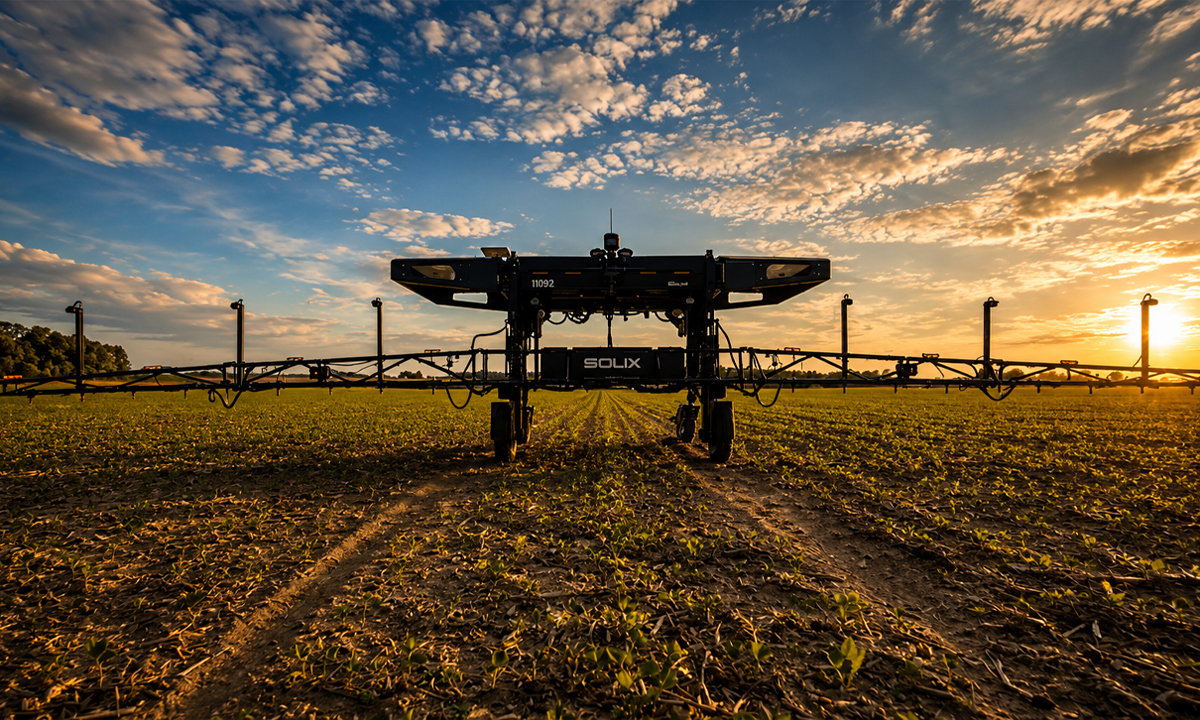
Backed by more than a decade of data processing and artificial intelligence development, Solinftec is leveraging the commercial rollout of Solix to highlight a structural flaw in modern farming: the industry still operates reactively. Most agronomic decisions are made only after a problem becomes visible or a machine makes a periodic pass through the field.
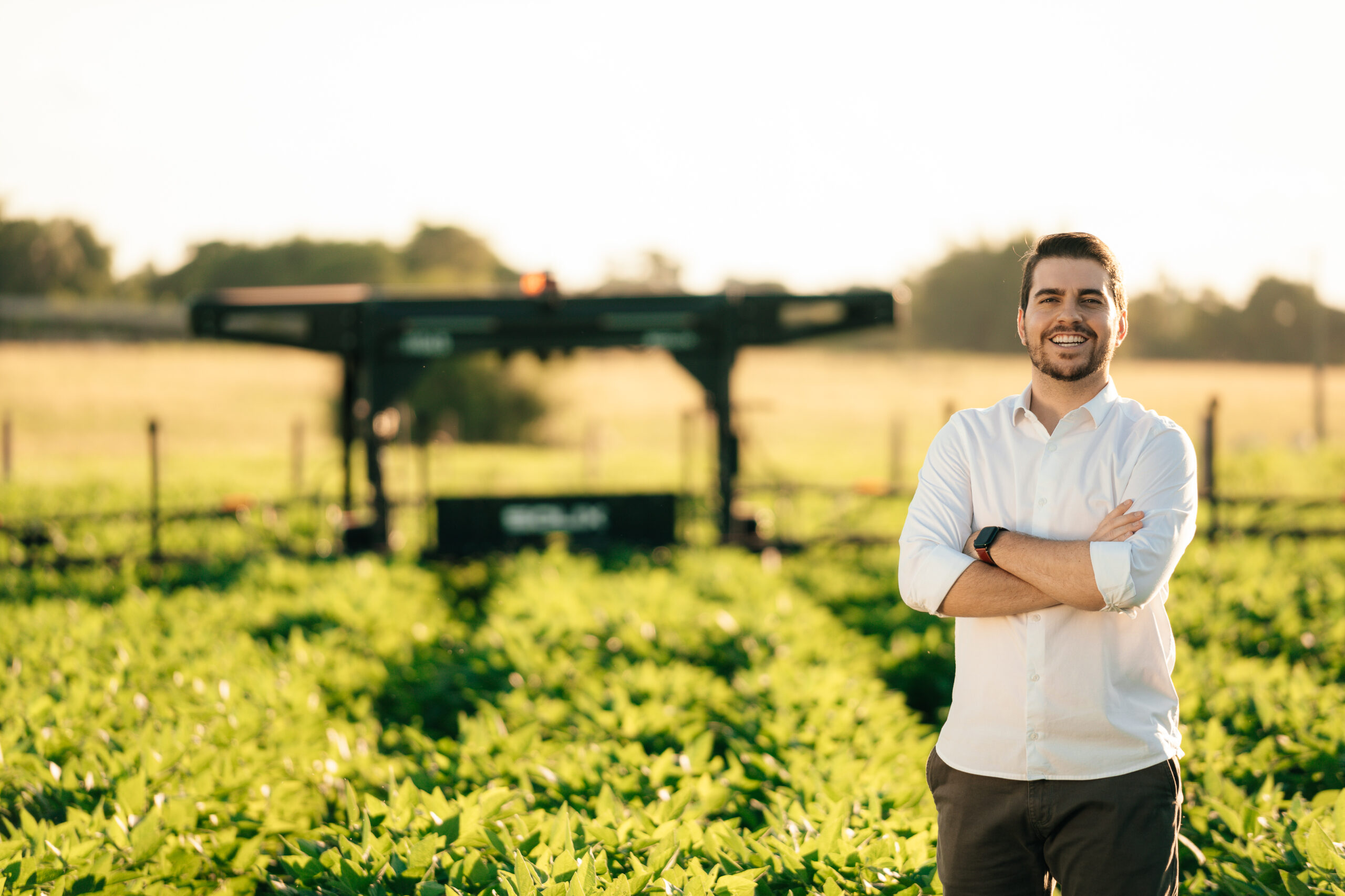
“We don’t just launch products. We introduce new concepts that reshape how we think about agriculture, then build the technology to make those ideas real,” said Léo Carvalho, Chief Global Strategy Officer of Solinftec.
Physical AI: Living in the Field
Traditional agricultural technology collects data during isolated visits to a field, often taking days to translate into action. Solinftec argues the industry no longer needs more fragmented technology; it needs a different operating model.
The commercially available Solix robot is solar-powered and completely autonomous, designed to remain in the field rather than returning to a shed each night. It reads the crop plant by plant, treating weeds individually in a single pass without an onboard operator or remote steering. Because field conditions shift daily, Solix provides continuous observation and real-time intervention.
Solinftec categorizes this closed cycle of observing, deciding, acting, and learning as “physical AI.” Unlike software that merely analyzes information on a dashboard, physical AI becomes an active, permanent part of the farm’s infrastructure.
Freedom per Acre
The engineering behind Solix rests on the philosophy that technology should remove constraints that have historically limited farmers. Solinftec calls this framework “freedom per acre,” which delivers three distinct operational shifts:
Freedom of time: Autonomous systems absorb the work that previously demanded human supervision, returning those hours directly to the farmer.
Freedom of choice: The traditional dealer model often voids warranties if owners modify their machines, tying them to high dealer markups for parts and repairs. Solinftec counters this by providing smart glasses with digital repair manuals, an online parts store, and equipment designed to be easily disassembled and repaired directly by the farmer.
Freedom of resources: Permanent field presence enables hyper-precision. Solix treats only what a field needs dynamically, drastically reducing herbicide use, fuel consumption, and chemical exposure for surrounding communities.
From Machines to Autonomous Infrastructure
As machines become smaller and more specialized, dependence on operators is falling. Solinftec’s commentary points to an industry-wide transition where the farmer’s role will shift from operating heavy machinery to orchestrating automated outcomes.
For a century, agriculture has sent large machines into the field to perform a task and leave. With the widespread expansion of technologies like Solix, the next era of farming will be defined by intelligent systems that remain in the field — continuously deciding and acting in real time.
About Solinftec
Solinftec is an agriculture technology company building AI- and blockchain-driven hardware and software, including its field robot Solix. Founded in Brazil’s sugarcane industry and based in Araçatuba, São Paulo, it has since expanded into row crops such as corn, soybeans and cotton, and into perennials across the Americas.

During Discover Africa writer Thaakiera Ackerdien’s recent trip to Zambia’s Lower Zambezi National Park, morning light broke over the river in liquid gold as riverine birds lifted off the banks in sudden, synchronised arcs. A solitary elephant stood knee-deep in the water nearby, browsing the low-hanging branches of a winterthorn — an ordinary scene in […]

Tallinn’s Old Town currently offers more than 315 separate tours. That is hardly surprising. It is one of Europe’s best-preserved medieval urban centres, compact enough to explore on foot and dense with the kind of history that lends itself naturally to guided storytelling. It also means that simply knowing the history is not enough to […]

LOTTE Rakhat combines over 80 years of tradition with modern production to create high-quality confections for markets worldwide.
The weekly Executive Briefing: insights, books, tools, and media opportunities worth your attention — curated and distilled into 5 minutes.

Welcome to The Executive Insight. Your free AI guide to the best tools is on its way. The first issue arrives soon. Check your promotions tab if it is not in your inbox!
Your request has been successfully submitted. Please wait for a reply from our manager, he will contact you as soon as possible.
Your copy of The Executive Insight Book Challenge List is downloading now. Enjoy the list — and while you're here, take a look at our latest interviews.