Subscribe to outperform
The weekly Executive Briefing: insights, books, tools, and media opportunities worth your attention — curated and distilled into 5 minutes.




The Jed Foundation (JED), a nonprofit that protects emotional health and prevents suicide for teens and young adults, issued a national call for stronger protections for youth mental health amid accelerating technologies, eroding social connections, and shrinking public support networks.
Young people deserve strong and stable support systems. JED underscores the need for safer digital systems and robust public resources.
“Young people are growing up in systems that are fragmenting, automating, and, in some cases, withdrawing human care,” says John MacPhee, JED CEO. “The rise of artificial intelligence (AI) and social media in everyday life is reshaping emotional development, and we should act quickly to ensure youth well-being is prioritized.”
The speed and scale of AI outpace the development of safety standards and clear accountability to protect youth. As AI-driven platforms replace personal interactions, isolation and anxiety have increased among youth.
“Evidence suggests AI is already contributing to suicidal ideation and planning, underscoring the need for policymakers to require safety-by-design defaults and establish explicit boundaries around what AI can and can’t do,” MacPhee adds.
Progress will depend on treating AI as a powerful system that influences youth development and demands the same level of clinical rigor, transparency, and responsibility as any other mental health intervention.
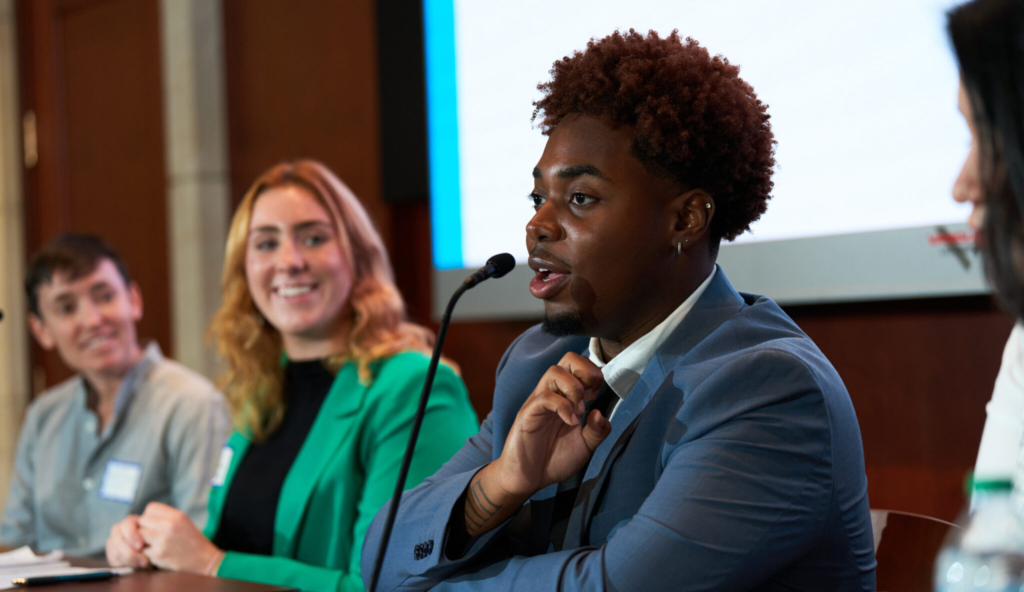
Strengthening youth-specific crisis response is urgent as suicide and suicide attempts remain a serious concern. In a time of greater need for mental health supports, access to critical care is threatened through cuts in services for LGBTQ+ youth, changes in Medicaid policy, and increases in health care premiums.
To address funding cuts, coordinated cross-sector efforts must be made to ensure that young people consistently receive vital services and support when they need it most.
Social fabric is fraying as digital interactions replace in-person connections. More than 40% of Gen Z adults report never having had a romantic relationship in their teens. More than 75% of young men reporting mental health struggles are reluctant to tell their parents, and 60% worry what others would think if they sought help.
Addressing this challenge requires investment in schools, community-based organizations, and peer leadership opportunities that serve as everyday relational hubs to connect and build supportive relationships.
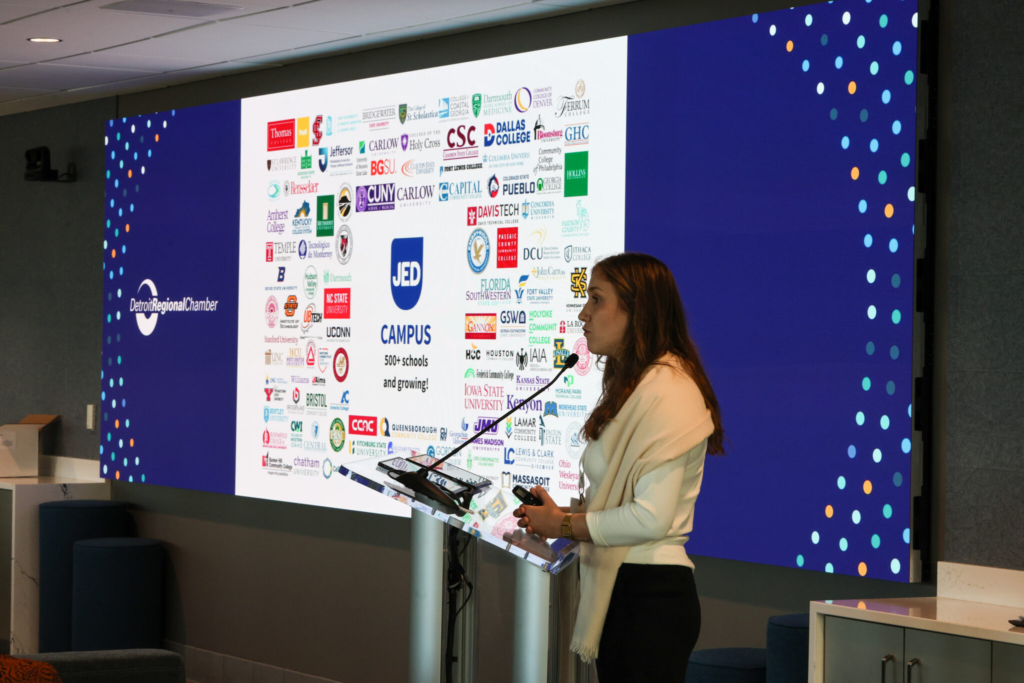
JED is committed to meeting this moment with care, urgency, and collaboration. To date, JED has partnered with nearly 1,500 schools and organizations that serve approximately 8 million youth per year, and has reached more than 21 million stakeholders through campaigns, training, digital resources, and strategic advising, according to MacPhee. Through these partnerships, JED helps organizations implement its Comprehensive Approach to Mental Health Promotion and Suicide Prevention.
“To deepen our impact, reach more young people, and strengthen the systems that support youth mental health and suicide prevention, we need the continued support of and collaboration with partners across programmatic, financial, and community sectors,” says MacPhee. “Progress is possible when we respond to systems under strain with sustained, human-centered commitment.”
Read the full blog.

The offer email arrives. The number is fine, maybe slightly less than you hoped, and the recruiter is waiting for an answer. Most people say yes. Knowing how to negotiate salary at this exact point is worth more than at any other moment in the job, because the employer has already decided it wants you […]

International Bank of Tajikistan is expanding open banking APIs and data-driven credit scoring, the bank said, as part of a strategy centered on premium banking, small-business lending and international transfers. The lender runs its business through a mobile app rather than a branch network. IBT became one of Tajikistan’s largest banks by assets in 2025, […]

Coronation Merchant Bank stands as one of Nigeria’s most influential merchant banks.

A former nurse manager applies for an operations role. Her résumé says “excellent communication skills” and “strong leadership”. So do most of the other applications on the recruiter’s screen. The skills are real, and as written they are invisible. Good transferable skills examples always come […]

The spreadsheet says 52 is possible. You have run it three times, changed the return assumption twice, and it still works. Then come the questions the spreadsheet cannot answer: how to get money out of a 401k seven years early, who pays for health insurance […]

Forty minutes into the meeting, the team is still arguing about which of two suppliers to choose. Both options have been costed twice. Every new argument digs further into the same two answers. Lateral thinking is the habit of stopping at that moment and asking […]

Thursday, 3 p.m. You read the same email for the third time and still could not say what it asks for. You slept six hours last night, and the night before, and you feel fine, mostly. So is 6 hours of sleep enough? For most […]

The Monday meeting goes quiet when one person speaks, and everyone else looks at the table. Nothing in the comment is quite bad enough to discipline. It is the fourth one this month, and the team is waiting to see whether you noticed. Knowing how […]

You land at 7 a.m., the meeting is at 9, and the shirt you packed comes out of the case with a crease across the chest that no amount of smoothing will remove. Learning how to fold a business shirt for travel takes ten minutes […]

It is late, the house is quiet, and three tabs are open. One is a $49-a-month certificate from a company everyone has heard of. One is a bootcamp that promises a new job in sixteen weeks. One is a university program whose price makes you […]
The offer email arrives. The number is fine, maybe slightly less than you hoped, and the recruiter is waiting for an answer. Most people say yes. Knowing how to negotiate salary at this exact point is worth more than at any other moment in the […]

The busiest office workers are interrupted every two minutes during core hours. That figure comes from Microsoft’s own data on how people use its software, and anyone who runs a team will recognise it. Most productivity hacks are written for a calendar you control. The […]

The alarm goes off at six. You hit snooze twice, get up at half past, and spend the first hour of the day feeling like someone else is driving. Most advice on how to become a morning person starts with the alarm: set it earlier […]
The weekly Executive Briefing: insights, books, tools, and media opportunities worth your attention — curated and distilled into 5 minutes.

Welcome to The Executive Insight. Your free AI guide to the best tools is on its way. The first issue arrives soon. Check your promotions tab if it is not in your inbox!
Your request has been successfully submitted. Please wait for a reply from our manager, he will contact you as soon as possible.
Your copy of The Executive Insight Book Challenge List is downloading now. Enjoy the list — and while you're here, take a look at our latest interviews.