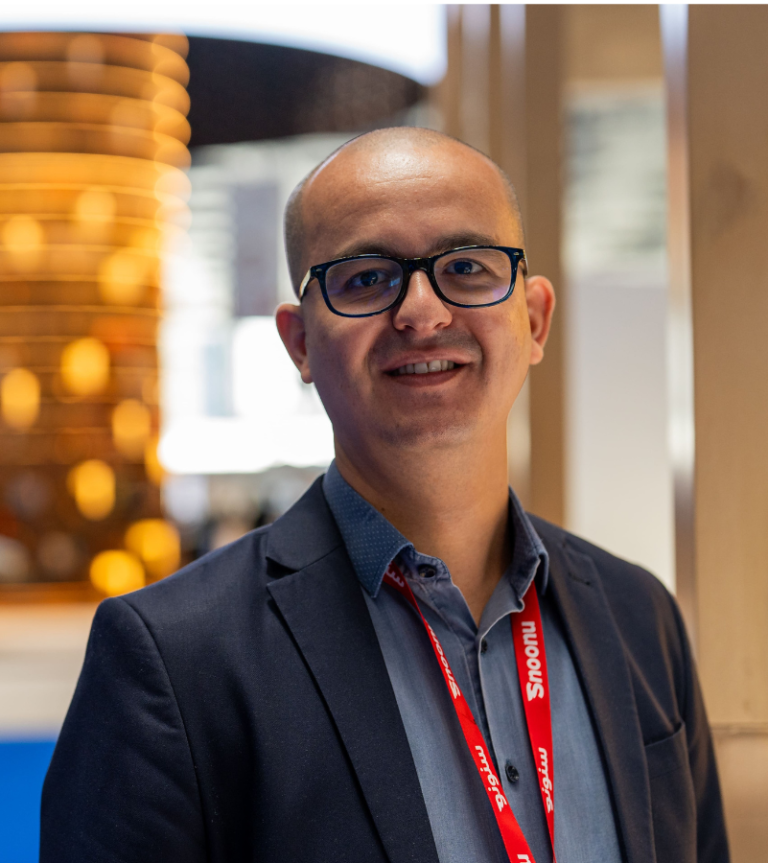
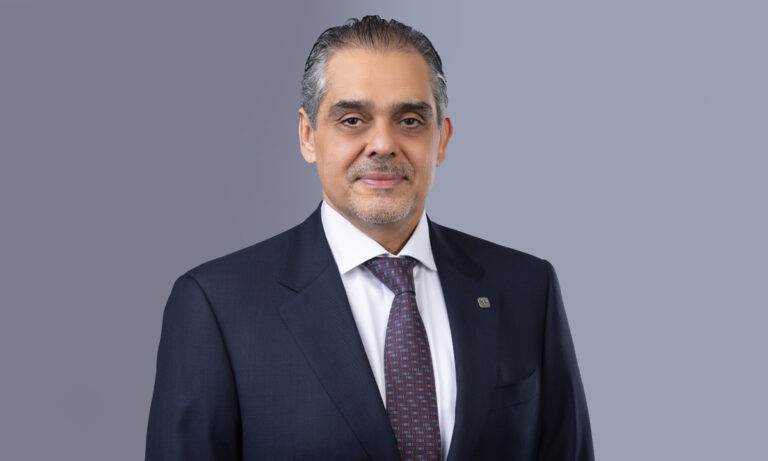
"At Recovery International, we empower individuals by fostering self-reliance and resilience, providing simple yet proven tools for lasting mental and emotional transformation."

Could you provide an overview of Recovery International and its current focus?

At Recovery International, we focus on cognitive behavioral training to help individuals gain greater insight into their lives. Many people go through life reacting to irritations and frustrations without truly understanding the toll it takes on their well-being. Our program equips participants with practical tools to navigate life with greater peace and productivity.

I joined years ago while struggling with serious health issues, and I’ve witnessed many individuals who are overwhelmed by stress—often about things that never come to pass. Our volunteer-led groups offer a supportive environment where leaders, experienced in the program, guide participants. Recovery International emphasizes that we are perpetual learners; there are no masters, only apprentices.

The tools we teach are straightforward but require consistent practice, much like any skill. Group sessions allow participants to practice these methods and receive gentle corrections as needed. A key philosophy we embrace is, “If you can’t change the situation, you can change your attitude toward it.” Another fundamental idea is that not every thought deserves acceptance. For me, this was transformative, as I realized I didn’t have to entertain every negative thought that crossed my mind. Our organization has been cultivating emotional intelligence through these principles for over 85 years.

What would you identify as the key factors contributing to the success of your program?

For those who are committed to change, our program serves as a roadmap to recovery. I personally didn’t know how to manage stress until I was taught to practice these skills. Recovery is not a quick fix; it’s a journey that requires dedication and consistent effort. Dr. Abraham Low, our founder, emphasized this principle. Over time, participants internalize these skills, helping them address both physical challenges, such as nervous fatigue or anxiety, and mental hurdles, like fear, anger, or frustration.

Everyday irritations—spilled milk or a stained blouse, for instance—can accumulate and leave people feeling overwhelmed. We teach strategies to handle these frustrations, fostering a more peaceful life.

What distinguishes Recovery International from other mental health organizations?

I consider us one of the best-kept secrets in the mental health field. While some may perceive our methods as overly simple, our structured self-help approach has proven effective for decades. What truly sets us apart is our emphasis on fostering self-reliance and resilience, which complements professional care in a unique and impactful way.

Could you explain the experience and methodology involved in your program?

New participants are encouraged to attend introductory meetings, where sessions typically begin with readings from Dr. Low’s works to establish a foundation. The cornerstone of our program is the Four-Step Example:

  1. Identify the trigger. What situation caused the upset?
  2. Recognize the symptoms. Were they physical (jaw clenching, stomach tension) or mental (thoughts like “Why me?”)?
  3. Apply the tools. This involves identifying temper—whether fearful or angry—and shifting perspective using tools like, “People do things that annoy us” or “There are always two sides to a story.”
  4. Self-endorsement. Acknowledge your efforts, even if imperfect, and recognize progress.

The process concludes with reflection, contrasting how situations were handled before joining Recovery International with how they are managed now. This practice has profound implications for both professional and personal life.

Can you share a specific example of an individual who benefited from the program?

I currently lead a caregivers’ group, and one participant, who drives a van for individuals with disabilities, comes to mind. He often anticipates difficult interactions with certain passengers, which previously led to frustration and anger. Through our program, he has learned to approach these situations calmly, adopting a mindset of, “Let’s see what happens.”

As a result, he manages challenges with composure, ensuring better care for his passengers. By maintaining his own calmness, he creates a more peaceful environment for everyone. A saying we use often is, “Calm gets the client calm, and temper begets temper.” His transformation is a testament to the program’s efficacy.

My own journey is another example. When I joined Recovery International, I was severely ill and institutionalized. The medical model wasn’t effective for me, but the tools I learned here enabled me to change my mindset and behavior. This program empowers anyone willing to practice.

What message would you offer to those considering becoming volunteer leaders in your organization?

Every new participant has leadership potential, even if they don’t realize it initially. Many come in saying, “Me? A leader? I don’t think so.” But with time and guidance, they grow into the role.

We offer a leadership training program on a national scale, with new groups starting regularly. Volunteers don’t need to be perfect; their role is to model Recovery principles and help others apply the methodology. Our hybrid approach—via Zoom, telephone, and in-person meetings—offers flexible ways to engage with the program.

What would you say to potential donors or supporters considering contributing to Recovery International?

While we never turn anyone away, we rely on donations and grants to sustain our efforts. Contributions—whether from participants, families, or corporations—are critical to our work. The return on investment is significant, as we operate efficiently with minimal overhead.

Our primary expense is a small staff that supports hundreds of groups nationwide. Every dollar ensures the continuation and expansion of our services.

Looking ahead, what is your vision for the future of Recovery International?

My hope is that these tools become part of everyone’s life skills, starting in schools. If children learn these principles early, they could avoid many challenges later in life.

With the accessibility provided by Zoom, our reach has expanded dramatically. I encourage anyone curious about Recovery International to attend six meetings before deciding if it’s right for them.

Latest From The Executive Insight

  • Education

    A former nurse manager applies for an operations role. Her résumé says “excellent communication skills” and “strong leadership”. So do most of the other applications on the recruiter’s screen. The skills are real, and as written they are invisible. Good transferable skills examples always come […]

    9 min read
  • Wealth

    The spreadsheet says 52 is possible. You have run it three times, changed the return assumption twice, and it still works. Then come the questions the spreadsheet cannot answer: how to get money out of a 401k seven years early, who pays for health insurance […]

    8 min read
  • Mindset

    Forty minutes into the meeting, the team is still arguing about which of two suppliers to choose. Both options have been costed twice. Every new argument digs further into the same two answers. Lateral thinking is the habit of stopping at that moment and asking […]

    9 min read
  • Wellness

    Thursday, 3 p.m. You read the same email for the third time and still could not say what it asks for. You slept six hours last night, and the night before, and you feel fine, mostly. So is 6 hours of sleep enough? For most […]

    9 min read
  • Business

    The Monday meeting goes quiet when one person speaks, and everyone else looks at the table. Nothing in the comment is quite bad enough to discipline. It is the fourth one this month, and the team is waiting to see whether you noticed. Knowing how […]

    9 min read
  • Lifestyle

    You land at 7 a.m., the meeting is at 9, and the shirt you packed comes out of the case with a crease across the chest that no amount of smoothing will remove. Learning how to fold a business shirt for travel takes ten minutes […]

    8 min read
  • Education

    It is late, the house is quiet, and three tabs are open. One is a $49-a-month certificate from a company everyone has heard of. One is a bootcamp that promises a new job in sixteen weeks. One is a university program whose price makes you […]

    8 min read
  • Wealth

    The offer email arrives. The number is fine, maybe slightly less than you hoped, and the recruiter is waiting for an answer. Most people say yes. Knowing how to negotiate salary at this exact point is worth more than at any other moment in the […]

    8 min read
  • Mindset

    The busiest office workers are interrupted every two minutes during core hours. That figure comes from Microsoft’s own data on how people use its software, and anyone who runs a team will recognise it. Most productivity hacks are written for a calendar you control. The […]

    8 min read
  • Wellness

    The alarm goes off at six. You hit snooze twice, get up at half past, and spend the first hour of the day feeling like someone else is driving. Most advice on how to become a morning person starts with the alarm: set it earlier […]

    9 min read