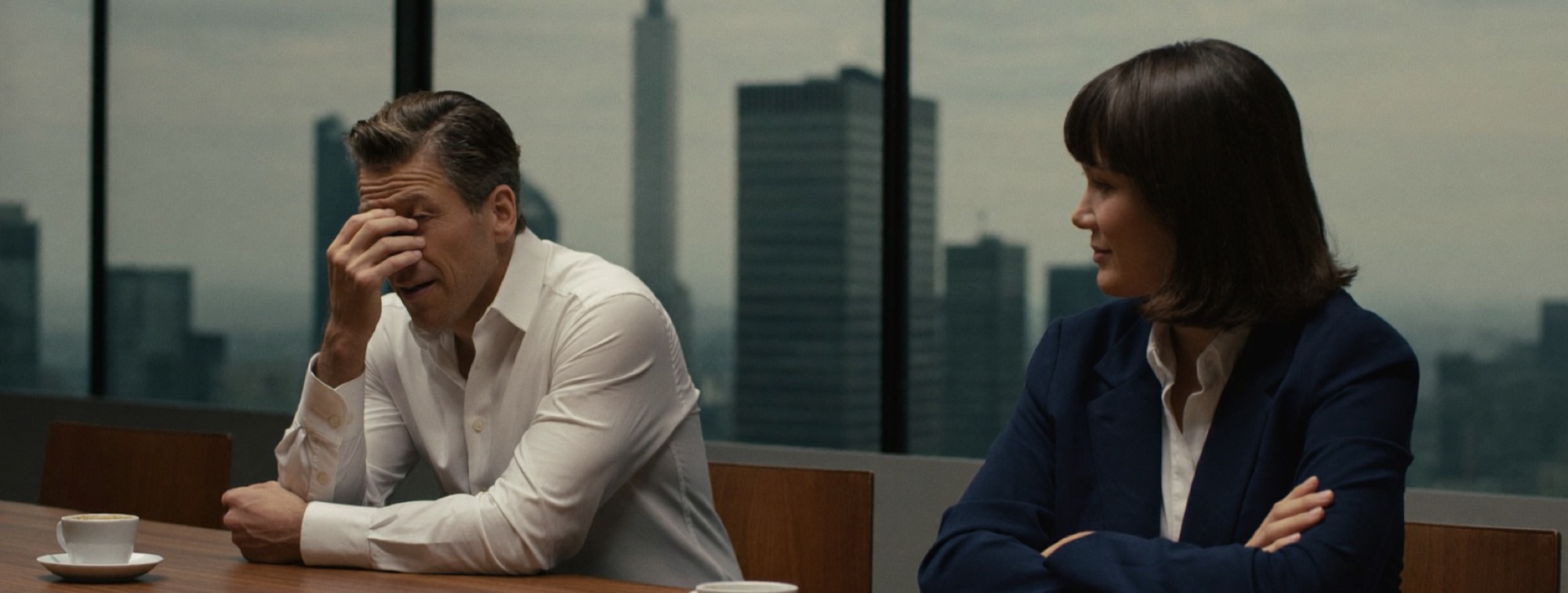
Entrepreneur fog is the state where you are working every day, you are not lazy, you are not burnt out, and you could not tell anyone what the point of this week is. The calendar is full. The judgement is gone. Ask what the single most important thing is and the honest answer is a shrug dressed up as a list.
It is one of the most common conditions among capable founders and one of the least talked about, because it does not look like a problem from the outside. Output continues. It just stops adding up to anything.
Fog Is Not Burnout and Not Laziness
Burnout is depletion. You cannot work. Entrepreneur fog is different: you can work, you do work, and the work no longer points anywhere.
That distinction matters because the treatments are opposite. Burnout needs rest. Fog does not lift with rest at all. Take a week off in a fog and you come back to the same undifferentiated pile, slightly guiltier.
Fog is not a lack of energy. It is a lack of resolution. Too many open questions, none of them closed, all of them running at once.
What Entrepreneur Fog Actually Is
The mechanism is boringly mechanical.
Every unresolved decision keeps a piece of your attention permanently allocated to it. It does not wait quietly. It runs in the background whether or not you are working on it.
This is close to what researchers call attention residue. Sophie Leroy’s work on switching between tasks found that when people move to a new task while the previous one is unfinished, part of their attention stays behind, and performance on the new task suffers. Not because they are distracted in the ordinary sense, but because the earlier task is still occupying capacity.
Now scale that from tasks to decisions, and from hours to months. A founder carrying eleven unresolved strategic questions is running eleven background processes. Entrepreneur fog is what full capacity feels like from the inside. It does not feel like overload. It feels like being slightly stupid.
The Five Things That Cause It
Too many open loops. Decisions you have half-made and never closed. Each one costs the same whether you are thinking about it or not.
No filter for incoming opportunity. Without something to test against, every new option has to be evaluated from scratch, and there are always new options.
Optional work that has become mandatory. Things you started, that nobody is asking for, that you have not permitted yourself to stop.
Measuring the wrong number. When the metric you watch does not move in response to what you do, you lose the feedback that tells you whether today mattered.
Depleted judgement. The one nobody counts. Nine hours of decisions on four hours of sleep produces exactly this, and it is invisible because you still feel busy.
Why More Thinking Makes It Worse
The instinct in entrepreneur fog is to go away and think about it. Take a walk. Fill a notebook. Do a strategy day.
That usually deepens it, because thinking generates options and options are the problem. You already have too many. Another hour of reflection adds three more open loops to the eleven you were carrying.
Entrepreneur fog does not lift by thinking. It lifts by closing.
The relief when it clears is not the relief of having found the right answer. It is the relief of having fewer live questions. Those are different experiences and people confuse them constantly.

The One-Page Reset
Forty-five minutes, done in writing, not in your head.
Write down every open question you are carrying. Everything unresolved, business and otherwise. Most people land between fifteen and thirty. Seeing the count is half the effect.
Then go through the list once and mark each one: decide it now, drop it entirely, or schedule it with a date. No fourth option. A question you leave open is a question you have chosen to keep paying for.
Most of them can be dropped. Of what remains, most can be decided in under a minute, badly, and a badly decided question costs less than an open one.
Then write one sentence naming the single thing that matters for the next thirty days. Not three. One.
That sentence is your filter, and it is the same thing a vision does when it settles an argument. Without it you will be back in fog within a fortnight, because the loops refill.
How to Stop It Coming Back
Fog is not a one-time event. It accumulates, like clutter, and it needs the same treatment: a scheduled clear-out rather than a heroic one.
Run the page monthly. Fifteen minutes once the first pass is done. Anything on the list two months running gets decided or killed on the spot.
Protect the input, too. Judgement is a physical output, and a founder running on poor sleep and a 3pm crash will produce fog no matter how good his system is. The defaults that keep you sharp late in the day are part of the fix, not a separate topic.
And accept the tradeoff honestly. Clarity is not free. It costs you the options you close, and closing them will occasionally be wrong.
It is still the better deal. A founder with one clear priority and three abandoned good ideas will outperform a founder holding eleven live ones, every time, and it will not be close.
Closing a question is a separate skill from closing it quickly, and it starts with asking what happens after.

Written by
Editor of The Executive Insight. Writes about leadership, decision-making and the parts of building a business that nobody puts in the plan.