Subscribe to outperform
The weekly Executive Briefing: insights, books, tools, and media opportunities worth your attention — curated and distilled into 5 minutes.




Clinical trials are the research studies required to test the safety and effectiveness of new medicines and treatments before they can be approved for public use. Yet participation remains limited. Fewer than 5% of eligible Americans take part in clinical research, often because trials require repeated visits to hospitals or research centers that may be far from where patients live and work.
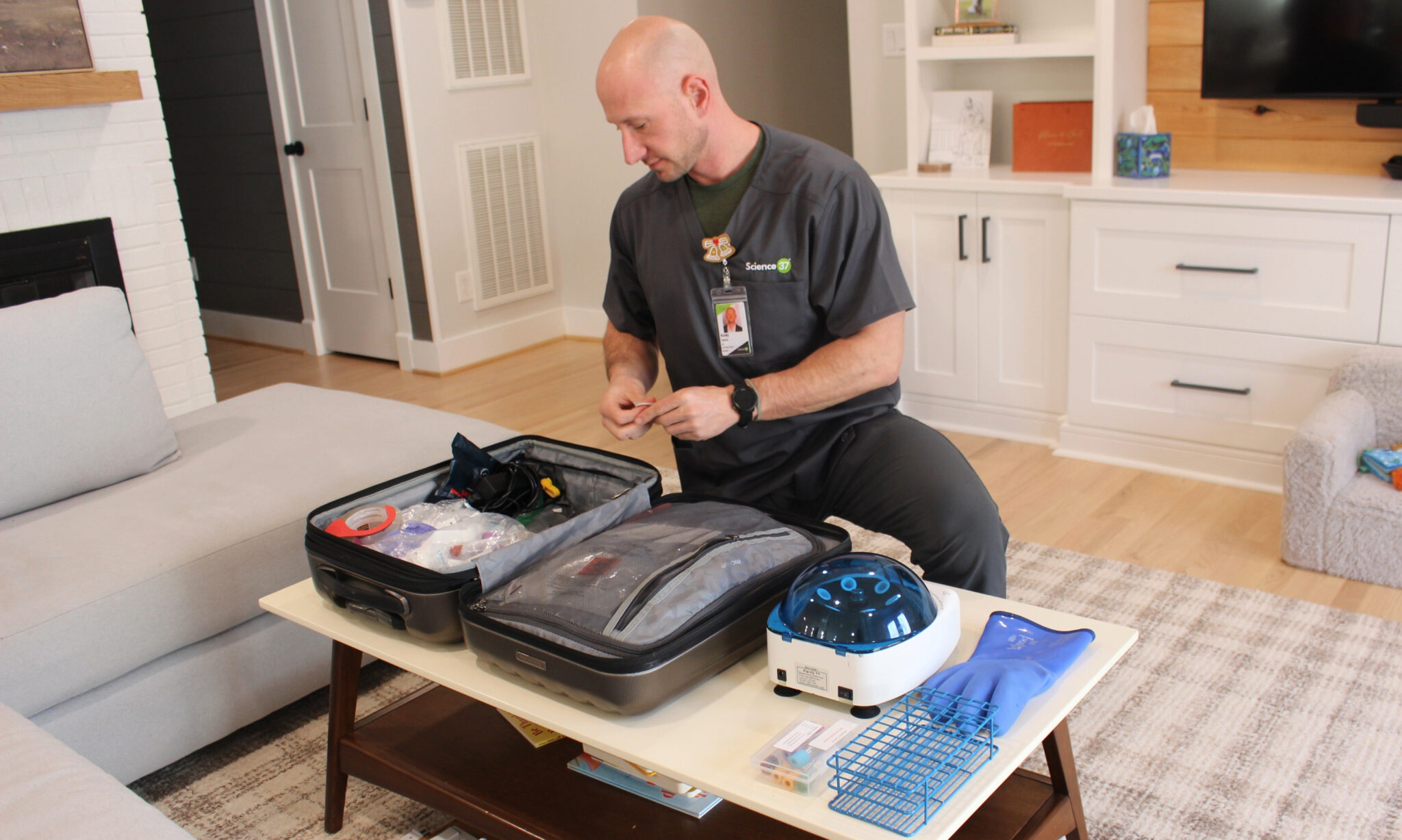
Science 37 is aiming to change that model. The company has become the first FDA-inspected site to deliver clinical trials directly to patients’ homes across the United States. By shifting trials out of traditional medical centers and into patients’ everyday lives, the company’s Direct-to-Patient model is designed to expand access, reduce burden, and make research more representative of the population it aims to serve.
“Our approach is different than what others are doing currently in this space,” says Tyler Van Horn, CEO of Science 37. “We go directly to the patient’s home, providing a seamless clinical trial experience that eliminates the need for them to travel and spend long hours in hospital settings.”
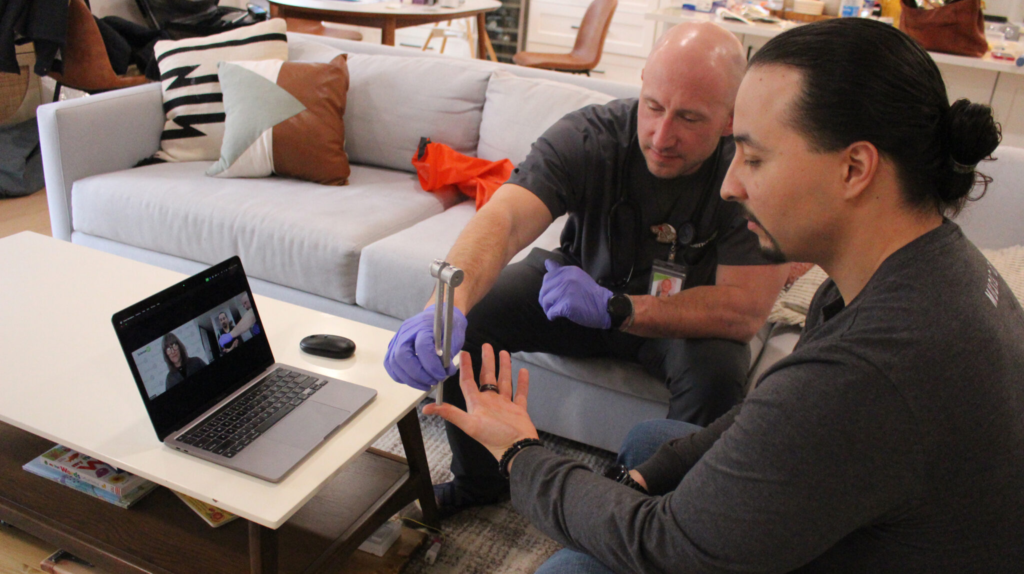
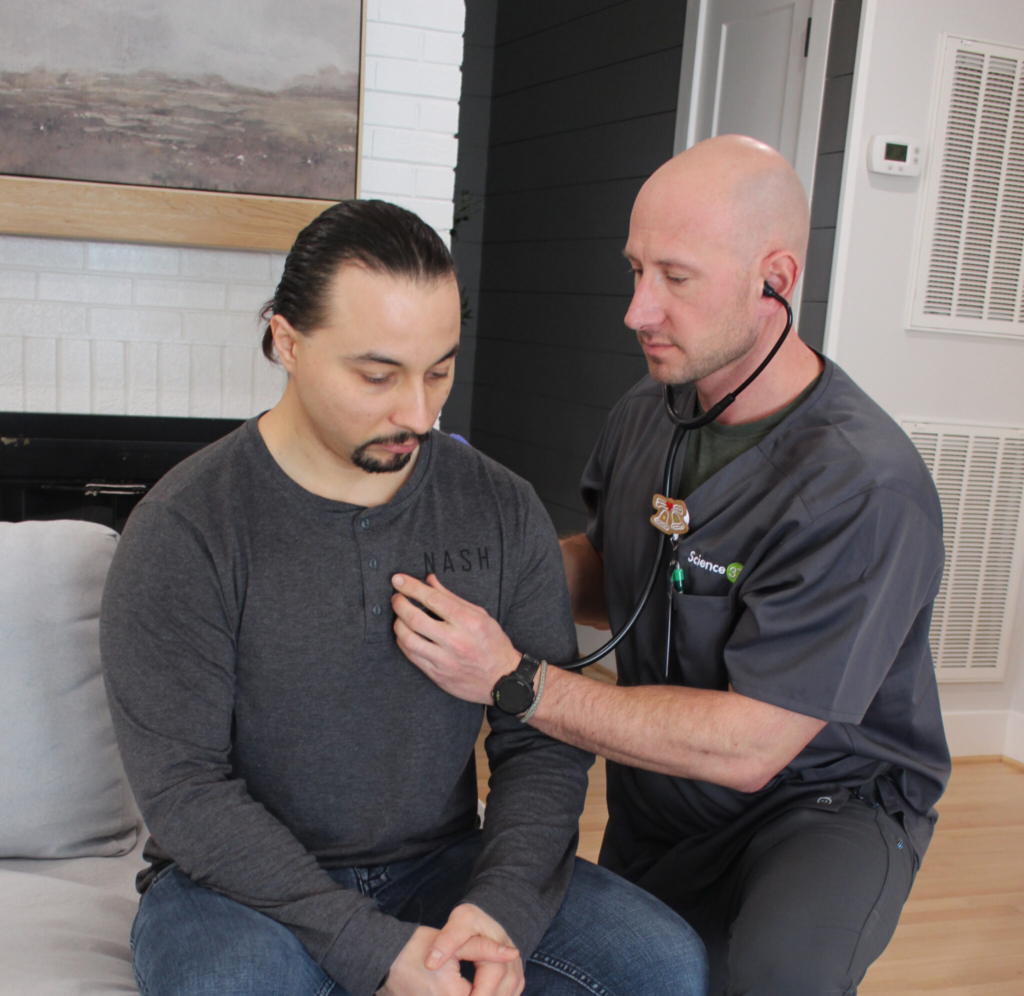
Traditionally, clinical trial participation depends heavily on geography. Patients must live near major academic medical centers or large research hospitals, leaving wide areas of the country with limited or no access to trials. These gaps have contributed to what researchers often call “clinical research deserts,” regions where participation is rare despite high medical need.
Science 37’s model is designed to remove those geographic constraints. Operating as a single FDA-inspected site, the company deploys licensed investigators and mobile research teams nationwide. According to the company, its clinicians hold licensure across all 50 states, allowing studies to reach patients wherever they live rather than requiring patients to travel to a centralized location.
“In any given trial, typically only about 8% of patients have access to clinical research within their local geography,” Van Horn says. “We provide access to the other 92% of patients who otherwise would not have the opportunity to participate.”
Regulatory oversight is a key concern as clinical trials move beyond traditional hospital settings. Science 37 has been inspected by the FDA three times in the past 18 months. In each inspection, regulators identified no violations or issues requiring corrective action.
This outcome, known as a “No Action Indicated” classification, means the FDA found the company’s trial operations to be compliant with regulatory standards. The inspections provide external validation that clinical trials can be conducted safely and consistently outside of conventional research sites.
Over the past year, the company’s growth has accelerated as more pharmaceutical sponsors explore alternatives to traditional site models. Science 37 now supports studies across a range of therapeutic areas, including, but not limited to, the central nervous system, respiratory, pulmonology, cardiovascular, and cardiology. The company has also expanded into the fields of metabolism, endocrinology, and cardio-metabolism. It specializes in rare and ultra-rare diseases, particularly in regions with geographically dispersed patient populations.
Notably, pediatric trials, including those for movement disorders and conditions such as Fragile X Syndrome and Prader-Willi Syndrome, have become a growing focus. These studies often involve patients who are unable to travel frequently due to medical complexity, mobility challenges, or distance from research centers. In such cases, at-home participation may not only be more convenient but essential to enrollment.
“We are seeing more sponsors adopt this approach,” Van Horn says. “It has been beneficial both for the patients we serve and for advancing research more efficiently.”
As healthcare delivery continues to move beyond traditional clinical settings, clinical research is beginning to follow the same trajectory. With enrollment challenges persisting nationwide, new models are prompting broader questions about how trials are designed, where they take place, and who is ultimately able to participate.
By bringing clinical trials into patients’ homes, Science 37 represents one approach to addressing those challenges, signaling a potential shift in how medical research may be conducted in the years ahead.
Science 37 accelerates clinical research by expanding patient access to trials, leading to faster approvals and better health outcomes for all. Our solutions empower life sciences companies to reach diverse populations beyond traditional means of conducting clinical research. For more information, visit Science 37’s website or contact Carli Markle, Associate Director for Strategic Marketing.
Learn more about Science 37 at www.science37.com.

Calmerry is an online mental health platform that allows more than 1,000 therapists to reach out to B2C and B2B patients across the United States in a safe and highly personalized manner.

Most advice on work life balance is a mood. Take breaks, set boundaries, be present. It is all true, and none of it survives a Tuesday when a client emails at 6pm and a deadline is on Friday. That is why most work life balance examples sound better than they work. The people who hold […]
Founded by Chicago neuropsychiatrist Dr. Abraham Low in 1937, Recovery International promotes mental health through cognitive behavioral training. This approach allows people to see their challenging circumstances from a less judgmental perspective and thus avoid getting stressed out unnecessarily.

A former nurse manager applies for an operations role. Her résumé says “excellent communication skills” and “strong leadership”. So do most of the other applications on the recruiter’s screen. The skills are real, and as written they are invisible. Good transferable skills examples always come […]

The spreadsheet says 52 is possible. You have run it three times, changed the return assumption twice, and it still works. Then come the questions the spreadsheet cannot answer: how to get money out of a 401k seven years early, who pays for health insurance […]

Forty minutes into the meeting, the team is still arguing about which of two suppliers to choose. Both options have been costed twice. Every new argument digs further into the same two answers. Lateral thinking is the habit of stopping at that moment and asking […]

Thursday, 3 p.m. You read the same email for the third time and still could not say what it asks for. You slept six hours last night, and the night before, and you feel fine, mostly. So is 6 hours of sleep enough? For most […]

The Monday meeting goes quiet when one person speaks, and everyone else looks at the table. Nothing in the comment is quite bad enough to discipline. It is the fourth one this month, and the team is waiting to see whether you noticed. Knowing how […]

You land at 7 a.m., the meeting is at 9, and the shirt you packed comes out of the case with a crease across the chest that no amount of smoothing will remove. Learning how to fold a business shirt for travel takes ten minutes […]

It is late, the house is quiet, and three tabs are open. One is a $49-a-month certificate from a company everyone has heard of. One is a bootcamp that promises a new job in sixteen weeks. One is a university program whose price makes you […]

The offer email arrives. The number is fine, maybe slightly less than you hoped, and the recruiter is waiting for an answer. Most people say yes. Knowing how to negotiate salary at this exact point is worth more than at any other moment in the […]

The busiest office workers are interrupted every two minutes during core hours. That figure comes from Microsoft’s own data on how people use its software, and anyone who runs a team will recognise it. Most productivity hacks are written for a calendar you control. The […]

The alarm goes off at six. You hit snooze twice, get up at half past, and spend the first hour of the day feeling like someone else is driving. Most advice on how to become a morning person starts with the alarm: set it earlier […]
The weekly Executive Briefing: insights, books, tools, and media opportunities worth your attention — curated and distilled into 5 minutes.

Welcome to The Executive Insight. Your free AI guide to the best tools is on its way. The first issue arrives soon. Check your promotions tab if it is not in your inbox!
Your request has been successfully submitted. Please wait for a reply from our manager, he will contact you as soon as possible.
Your copy of The Executive Insight Book Challenge List is downloading now. Enjoy the list — and while you're here, take a look at our latest interviews.