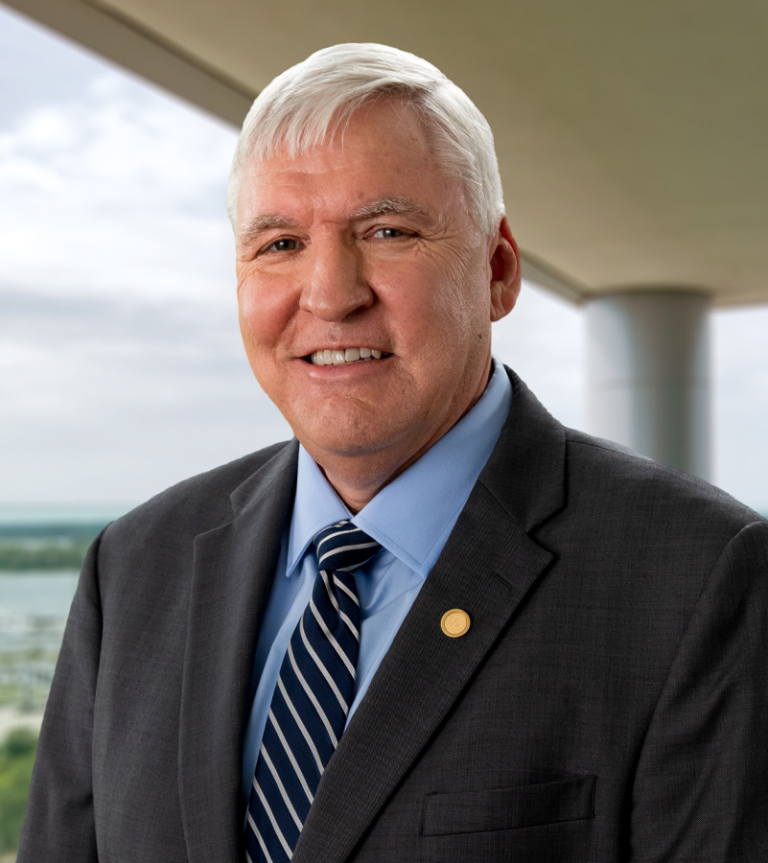
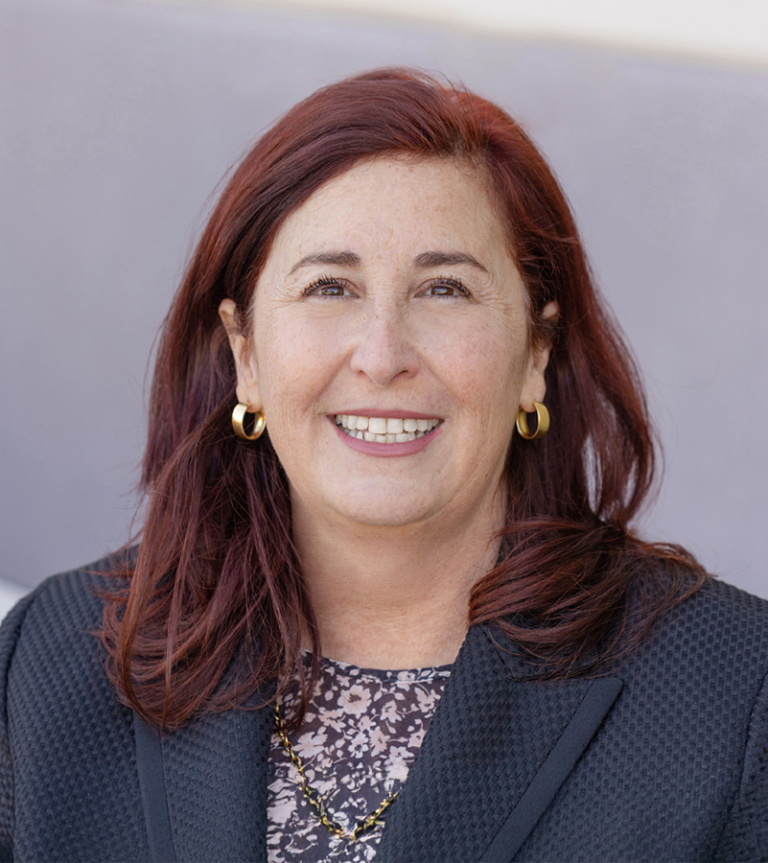
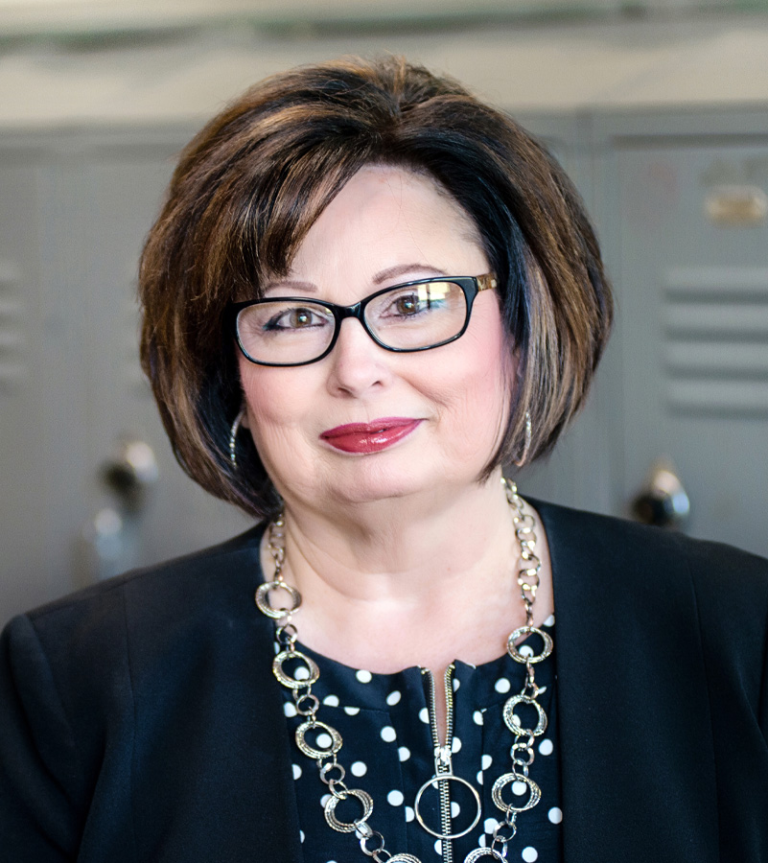
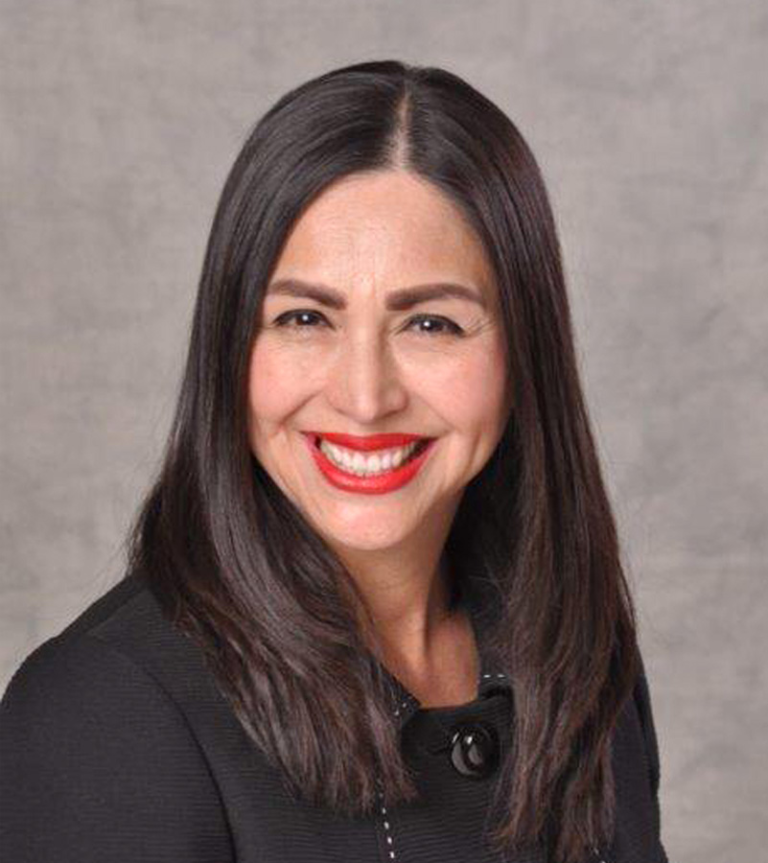
"At MUSC, we’re not just focused on providing care; we’re committed to educating the next generation and driving innovation to transform healthcare across South Carolina."

Dr. Cole, to begin, could you provide a brief overview of where the Medical University of South Carolina (MUSC) stands today?

David Cole: MUSC is the only comprehensive academic health system in South Carolina, a distinction that comes with tremendous responsibility. This year, we’re celebrating 200 years of service, having been established in 1824. Our bicentennial offers a moment to honor our history and look ahead to how we continue shaping healthcare.

Over the past seven years, we’ve experienced transformative growth, nearly quadrupling in size to become a $7 billion organization. You might ask why this growth was necessary after two centuries. The answer lies in our mission: to truly serve the people of South Carolina, we needed to expand beyond Charleston and build a presence across the state. This expansion allows us to address some of the most pressing healthcare challenges, including disparities in access and outcomes.

As an academic health system, we’re more than a provider of excellent patient care. Our mission includes educating the next generation of healthcare professionals and driving innovation to improve the future of medicine. MUSC encompasses six colleges and offers 42-degree programs, educating 3,000 students annually. Additionally, we train 900 physicians in postgraduate programs each year—this represents nearly half of all residents and fellows in South Carolina.

Our research efforts further set us apart. Last year, MUSC secured $366 million in extramural funding, making us the largest research institution in the state. This funding fuels groundbreaking discoveries, many of which translate directly into improved healthcare practices. Today, MUSC operates in all 46 South Carolina counties through a network of hospitals, clinics, and partnerships. We are proud to serve even the most underserved regions, focusing on sustainability and better health outcomes.

What truly distinguishes MUSC is our commitment to innovation. We’ve fostered a culture that encourages creative problem-solving and supports new ideas through initiatives like our Office of Innovation. This effort is guided by three core imperatives: putting patients and families first, enabling local communities to deliver high-quality care, and building partnerships that expand possibilities. Through these principles, we aim to transform healthcare in South Carolina and beyond.

Dr. Saladin, could you elaborate on the role of education and innovation at MUSC?

Lisa Saladin: Education and innovation are at the heart of MUSC’s mission. As Dr. Cole mentioned, we’ve built a robust infrastructure to support both faculty and student innovation. This includes appointing leaders such as a Chief Innovation Officer, an Associate Provost for Education, Innovation, and Student Life, and innovation ambassadors in each of our colleges. These roles empower individuals to bring new ideas to life.

One way we foster innovation is through events like our annual Innovation Week and “Shark Tank”-style competitions. These platforms encourage creative thinking and problem-solving among our faculty and students. For instance, the 2020 winning team in our statewide competition developed Saver, a device designed to improve survival rates during cardiac arrest. Similarly, the 2021 winners created a fluorescent dye to improve tumor localization during colonoscopies. Both projects have led to patents, startups, and investor interest, showcasing how innovation at MUSC directly impacts healthcare.

On the educational side, digital dentistry is a standout example. By integrating 3D imaging and printing into our curriculum, we’re redefining how dental care is delivered—making it faster, more precise, and more patient-friendly. This approach ensures every MUSC dental graduate is equipped to excel in this new paradigm.

Another area where we’ve made significant strides is artificial intelligence (AI). Since 2018, our partnership with Clemson University has fostered an AI Hub that supports healthcare-related research. Projects range from developing machine-learning models for heart transplant decision-making to using AI for outbreak preparedness. To date, this initiative has generated $45 million in external funding. AI’s potential to revolutionize healthcare is enormous, and we are proud to be at the forefront of these efforts.

Interprofessional education is another hallmark of MUSC. For over a decade, we’ve involved students in clinical settings to observe and improve teamwork among healthcare providers. By acting as “secret shoppers,” students identify areas for improvement, which inform our training programs. This hands-on approach enhances both the quality of patient care and the students’ ability to collaborate effectively in real-world scenarios.

Dr. Cole, could you highlight any new or unique programs at MUSC?

David Cole: One of the most exciting recent developments is our Genetic Counseling program, launched last year. This field represents the cutting edge of healthcare by addressing the genetic causes of diseases while guiding patients and families through complex decisions.

Genetic counselors play a critical role in helping individuals navigate questions like, “Should I get tested for a genetic predisposition to cancer or heart disease?” and “What steps should I take if the results are positive?” By training specialists in this emerging field, MUSC is helping to bridge a critical gap in healthcare.

This program aligns with a broader shift toward precision health, which tailors care to an individual’s genetic profile. With the explosion of genetic information, the demand for counselors far exceeds supply, creating a national shortage. MUSC is stepping up to address this need, preparing professionals who will redefine how genetics is integrated into patient care.

What message would you like to share with donors and business leaders?

David Cole: MUSC is a place of transformation. Whether through education, research, or innovation, we are committed to improving healthcare for all. But we can’t do it alone. We welcome and need partners—investors, philanthropists, and community leaders—to join us in this mission.

Lisa Saladin: Many people think of innovation hubs like MIT or North Carolina’s Research Triangle, but MUSC is increasingly recognized as a leader in this space. With over 55 startups, hundreds of patents, and a dedicated tech transfer office, we’re making a national impact. We’re also establishing a venture capital group to bring these ideas to life.

David Cole: Additionally, we’re developing an innovation district here in Charleston. This initiative represents a generational opportunity to create a hub for collaboration, economic growth, and healthcare transformation. As we advance, the potential for MUSC—and South Carolina—is immense.

What are MUSC’s primary objectives for the future, and how do you envision achieving them?

David Cole: Our long-term strategy, outlined in what we call the “One MUSC” plan, is both ambitious and transformative. Over the next 20 years, our aim is to position South Carolina among the top 20 states in health outcomes, a challenging but achievable goal given the disparities we currently face. At the same time, we aspire to establish MUSC as one of the nation’s top 20 academic health systems.

These goals reflect our commitment to driving meaningful change through collaboration, innovation, and strategic partnerships. While the journey will be demanding, the positive impact on our community, state, and beyond will be monumental. Together, we can redefine what’s possible in healthcare and education.

Latest From The Executive Insight

  • Education

    A former nurse manager applies for an operations role. Her résumé says “excellent communication skills” and “strong leadership”. So do most of the other applications on the recruiter’s screen. The skills are real, and as written they are invisible. Good transferable skills examples always come […]

    9 min read
  • Wealth

    The spreadsheet says 52 is possible. You have run it three times, changed the return assumption twice, and it still works. Then come the questions the spreadsheet cannot answer: how to get money out of a 401k seven years early, who pays for health insurance […]

    8 min read
  • Mindset

    Forty minutes into the meeting, the team is still arguing about which of two suppliers to choose. Both options have been costed twice. Every new argument digs further into the same two answers. Lateral thinking is the habit of stopping at that moment and asking […]

    9 min read
  • Wellness

    Thursday, 3 p.m. You read the same email for the third time and still could not say what it asks for. You slept six hours last night, and the night before, and you feel fine, mostly. So is 6 hours of sleep enough? For most […]

    9 min read
  • Business

    The Monday meeting goes quiet when one person speaks, and everyone else looks at the table. Nothing in the comment is quite bad enough to discipline. It is the fourth one this month, and the team is waiting to see whether you noticed. Knowing how […]

    9 min read
  • Lifestyle

    You land at 7 a.m., the meeting is at 9, and the shirt you packed comes out of the case with a crease across the chest that no amount of smoothing will remove. Learning how to fold a business shirt for travel takes ten minutes […]

    8 min read
  • Education

    It is late, the house is quiet, and three tabs are open. One is a $49-a-month certificate from a company everyone has heard of. One is a bootcamp that promises a new job in sixteen weeks. One is a university program whose price makes you […]

    8 min read
  • Wealth

    The offer email arrives. The number is fine, maybe slightly less than you hoped, and the recruiter is waiting for an answer. Most people say yes. Knowing how to negotiate salary at this exact point is worth more than at any other moment in the […]

    8 min read
  • Mindset

    The busiest office workers are interrupted every two minutes during core hours. That figure comes from Microsoft’s own data on how people use its software, and anyone who runs a team will recognise it. Most productivity hacks are written for a calendar you control. The […]

    8 min read
  • Wellness

    The alarm goes off at six. You hit snooze twice, get up at half past, and spend the first hour of the day feeling like someone else is driving. Most advice on how to become a morning person starts with the alarm: set it earlier […]

    9 min read