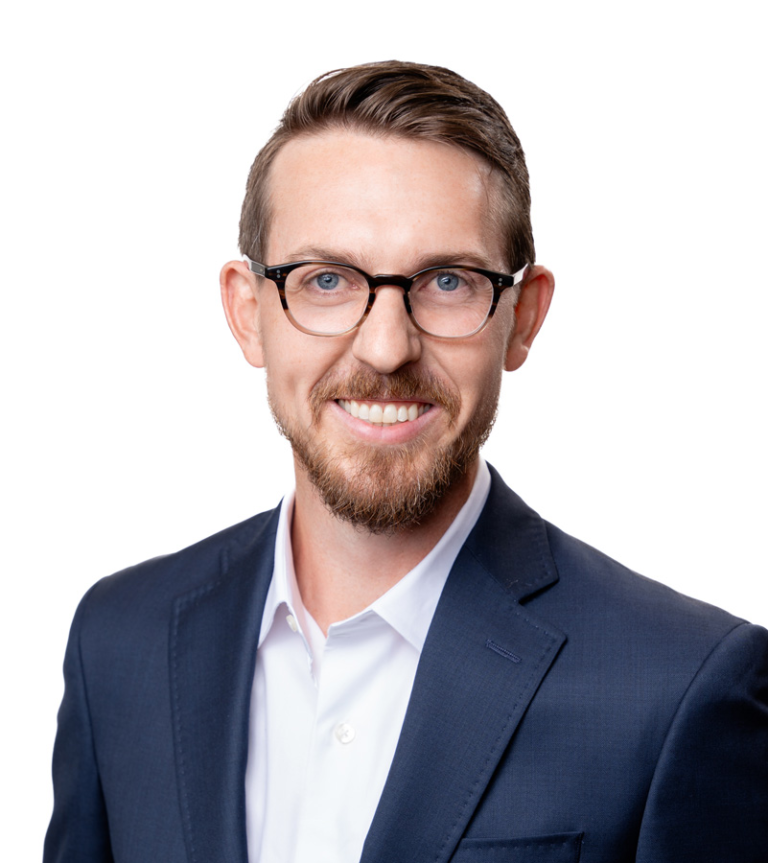
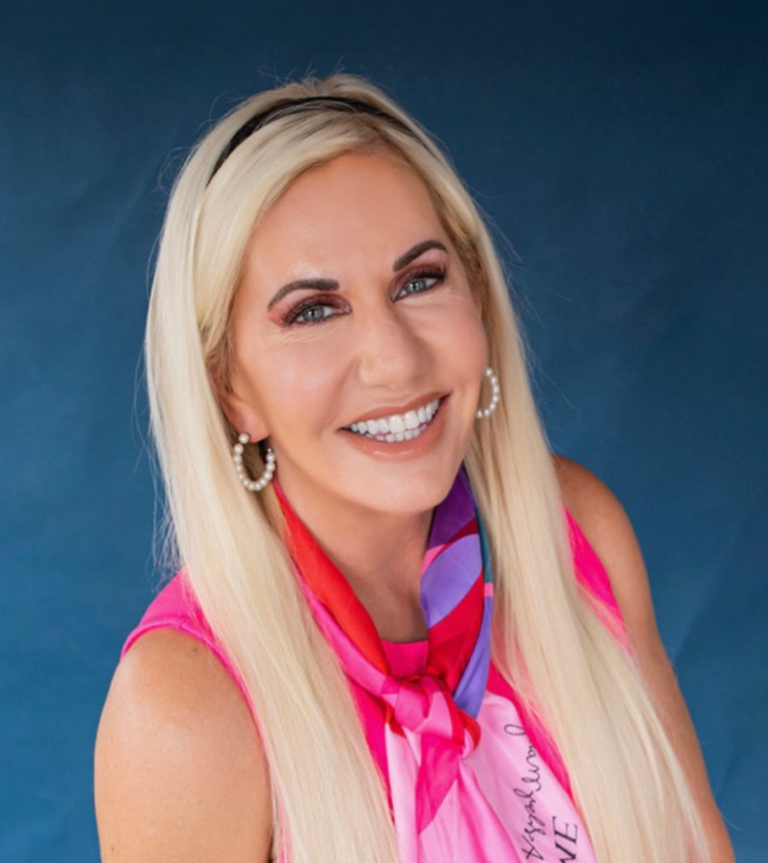
"Our success stems from understanding community needs, fostering partnerships, and delivering exceptional care with advanced technology and top-tier talent."

Could you provide an overview of San Antonio Regional Hospital and its role within the healthcare landscape?

John Chapman: In California, hospitals operate within various frameworks—they may belong to larger systems as for-profit or not-for-profit entities. There are also independent hospitals, such as ours, which can similarly operate as either for-profit or not-for-profit organizations.

San Antonio Regional Hospital is an independent, nonprofit institution, governed by a board of trustees who represent the community we serve. Our mission is to promote the health and well-being of our local population, tailoring our services to address their unique needs.

Having served the community for over a century, what factors do you attribute to the hospital’s long-standing success and recent advancements?

John Chapman: Our success stems from several key factors.

Firstly, a deep understanding of the diverse needs within our community has been instrumental. Health challenges vary significantly from one area to another; for instance, some regions may experience higher rates of heart disease, while others face increased cancer cases. Rather than adopting a universal approach, we conduct detailed assessments to identify specific needs and implement targeted solutions.

A notable example is our response to the high cancer incidence in San Bernardino County. Recognizing the gap in local services, we partnered with City of Hope, a nationally renowned cancer center, to establish a 400,000-square-foot facility. This collaboration enables our community to access world-class cancer care locally, eliminating the need for long-distance travel.

Secondly, we have consistently invested in developing high-performing internal programs. Our cardiac care program, for instance, has been recognized among the top 50 in the nation for three consecutive years—a testament to our exceptional physicians, state-of-the-art technology, and unwavering commitment to patient care.

Additionally, we’ve implemented initiatives to reduce readmission rates and enhance recovery for discharged patients. These include providing up to three weeks of medications and durable medical equipment to ensure they have the resources needed to recover successfully.

Can you elaborate on the medical and surgical services that distinguish the hospital in the region?

John Chapman: Our services are designed to address the most pressing healthcare needs of our community, not only in Upland but also across neighboring cities.

Our cardiac care program stands out, having received numerous national accolades, including recognition from Healthgrades. In women’s health, we earned six awards this year alone, reflecting excellence in orthopedics, stroke care, heart care, cancer care, and beyond.

Additionally, we are leaders in specialized areas such as kidney failure treatment and cardiovascular surgery. Investments in advanced technologies, including Da Vinci surgical robots, have enhanced our capabilities in precision surgeries, from joint replacements to minimally invasive cancer and gynecological procedures.

What strategies does the hospital employ to attract and retain top-tier medical professionals?

John Chapman: Our recruitment and retention strategies are multifaceted.

Firstly, we have established an academic residency program in internal medicine, with plans to expand into family medicine. This initiative allows us to train and retain skilled providers within our community.

Secondly, we emphasize competitive compensation and fostering meaningful connections with the community. Our strong market presence and favorable insurance contracts further solidify our appeal to top-tier healthcare professionals.

Given the emphasis on partnerships, what message would you share with potential collaborators?

John Chapman: Collaboration is critical because no single hospital can meet every healthcare need comprehensively. While we excel in areas such as cardiac care and orthopedics, we partner with institutions like Cedars-Sinai for highly specialized services, including advanced heart failure treatment.

Behavioral health is another priority area, particularly in the wake of the pandemic. Additionally, we are advancing geriatric care through our forthcoming Center of Aging, which will integrate primary care, specialty services, diagnostics, and therapies under one roof for the senior population.

What is your vision for the hospital’s growth and development over the next few years?

John Chapman: Our vision includes several strategic initiatives. Within the next year, we aim to complete the Center of Aging, expand our maternity services, and further develop our residency program to address the regional shortage of primary care physicians.

We are also opening new urgent care centers staffed by emergency room physicians to enhance access to high-quality care. These projects reflect our commitment to addressing community needs while ensuring long-term financial sustainability.

You’ve modernized your approach to patient engagement through digital platforms. Could you discuss these advancements?

Heather Raymond (VP Marketing & Communications): We’ve revamped our website and expanded our social media presence to better engage with the community, offering educational content and resources. Features like our “Meet the Doctors” video series and podcasts foster stronger connections between patients and our physicians while improving access to vital health information.

Latest From The Executive Insight

  • Education

    A former nurse manager applies for an operations role. Her résumé says “excellent communication skills” and “strong leadership”. So do most of the other applications on the recruiter’s screen. The skills are real, and as written they are invisible. Good transferable skills examples always come […]

    9 min read
  • Wealth

    The spreadsheet says 52 is possible. You have run it three times, changed the return assumption twice, and it still works. Then come the questions the spreadsheet cannot answer: how to get money out of a 401k seven years early, who pays for health insurance […]

    8 min read
  • Mindset

    Forty minutes into the meeting, the team is still arguing about which of two suppliers to choose. Both options have been costed twice. Every new argument digs further into the same two answers. Lateral thinking is the habit of stopping at that moment and asking […]

    9 min read
  • Wellness

    Thursday, 3 p.m. You read the same email for the third time and still could not say what it asks for. You slept six hours last night, and the night before, and you feel fine, mostly. So is 6 hours of sleep enough? For most […]

    9 min read
  • Business

    The Monday meeting goes quiet when one person speaks, and everyone else looks at the table. Nothing in the comment is quite bad enough to discipline. It is the fourth one this month, and the team is waiting to see whether you noticed. Knowing how […]

    9 min read
  • Lifestyle

    You land at 7 a.m., the meeting is at 9, and the shirt you packed comes out of the case with a crease across the chest that no amount of smoothing will remove. Learning how to fold a business shirt for travel takes ten minutes […]

    8 min read
  • Education

    It is late, the house is quiet, and three tabs are open. One is a $49-a-month certificate from a company everyone has heard of. One is a bootcamp that promises a new job in sixteen weeks. One is a university program whose price makes you […]

    8 min read
  • Wealth

    The offer email arrives. The number is fine, maybe slightly less than you hoped, and the recruiter is waiting for an answer. Most people say yes. Knowing how to negotiate salary at this exact point is worth more than at any other moment in the […]

    8 min read
  • Mindset

    The busiest office workers are interrupted every two minutes during core hours. That figure comes from Microsoft’s own data on how people use its software, and anyone who runs a team will recognise it. Most productivity hacks are written for a calendar you control. The […]

    8 min read
  • Wellness

    The alarm goes off at six. You hit snooze twice, get up at half past, and spend the first hour of the day feeling like someone else is driving. Most advice on how to become a morning person starts with the alarm: set it earlier […]

    9 min read